

If you’ve ever wondered what connects a hospital’s operating room with a business school’s lecture hall, the answer is interdisciplinary research. On the surface, medicine and management might feel like worlds apart—one saves lives while the other drives businesses forward. But when these two fields come together, they create innovative solutions that can transform healthcare systems, improve patient experiences, and even save billions in costs.
For students like you, exploring this intersection is not only fascinating but also offers a fresh perspective on how different fields can work together to solve real-world problems. So, let’s explore how interdisciplinary research in medicine and management is shaping the future and why you should pay attention.
What is Interdisciplinary Research?
Before we go further, let’s clear up what the term means.
Interdisciplinary research is about combining knowledge and methods from different disciplines to solve complex problems. It’s not about choosing one subject over another, but rather blending the strengths of both.
When medicine and management come together, it’s about applying business strategies to healthcare. Think about using supply chain management to ensure medicines reach patients on time, or using leadership models to improve hospital teamwork.
Question for you: Have you noticed how hospitals function like giant organizations? They need leaders, managers, strategies, and processes—just like a business!
Why Medicine Needs Management
Medicine is focused on diagnosis, treatment, and patient care. But healthcare is also one of the largest industries in the world. Without proper management, hospitals can face:
- Long waiting times for patients
- Shortages of essential medicines or staff
- Rising treatment costs
- Poor coordination among healthcare workers
That’s where management principles step in. By applying ideas from business management—like operations, leadership, data analytics, and finance—healthcare systems become more efficient and patient-centered.
Example: During the COVID-19 pandemic, many hospitals struggled not because doctors lacked knowledge, but because supply chains were disrupted. This was a management challenge, not a medical one.
Why Management Needs Medicine
Now flip the perspective. Management is about strategy, organization, and decision-making. But in healthcare, decisions can’t just be about profit or growth; they have to save lives.
Studying medicine gives managers insights into:
- The urgency of decision-making in emergencies
- Ethical responsibilities toward patients
- How medical outcomes measure success differently from profits
This balance ensures that healthcare organizations don’t just function like businesses but remain focused on human well-being.
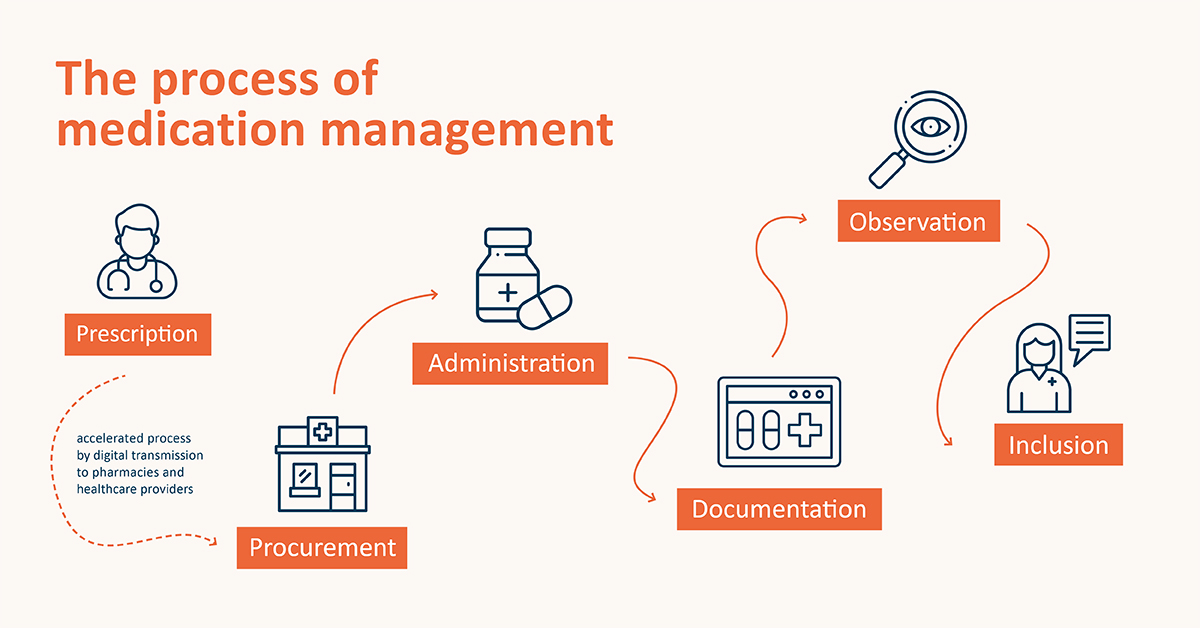
Interdisciplinary Research: Medicine and Management in Action
So how do these two fields actually come together in practice? Here are some fascinating areas where interdisciplinary research in medicine and management is already making an impact:
1. Hospital Administration and Operations
Hospitals are complex ecosystems. Through interdisciplinary research, managers and medical professionals collaborate to design efficient systems. For example, lean management techniques—borrowed from manufacturing—are used to reduce waste and waiting times in hospitals.
2. Healthcare Supply Chain Management
Medicine requires timely delivery of drugs, vaccines, and equipment. By applying supply chain principles, researchers have developed ways to track inventory, predict shortages, and optimize distribution networks.
Question for you: Imagine what happens if insulin is delayed by even a day in a city where thousands depend on it. Wouldn’t that make supply chain management as critical as the medicine itself?
3. Leadership and Teamwork in Healthcare
Doctors, nurses, technicians, and administrators must work as a team. Management theories on leadership and organizational behavior are used to train hospital leaders who can motivate staff, resolve conflicts, and build stronger teams.
4. Health Economics and Cost Management
Treatments and surgeries are expensive. Interdisciplinary research explores how to manage costs without compromising care. This includes pricing strategies, insurance models, and budgeting methods.
5. Technology and Data Analytics
From electronic health records to predictive analytics, management and medicine combine to make sense of massive amounts of patient data. This not only improves diagnosis but also helps predict future healthcare needs.

6. Policy Making and Healthcare Systems
Governments often use interdisciplinary research to design public health systems. For example, policies on vaccination campaigns or pandemic management rely on both medical data and management strategies.
7. Patient Experience and Quality Improvement
At the end of the day, it’s all about the patient. Research focuses on improving hospital experiences, reducing errors, and ensuring that patients feel heard and cared for—something that requires both medical expertise and management insights.
Benefits of Interdisciplinary Research in Medicine and Management
Here’s why this blend of fields is seen as the future of healthcare:
- Better Patient Outcomes – Efficient systems mean fewer errors and faster treatments.
- Cost Savings – Hospitals can reduce waste and manage budgets more effectively.
- Innovation – Combining different perspectives sparks new ideas for treatments and systems.
- Preparedness – Healthcare systems become more resilient to crises like pandemics.
- Career Opportunities – Students gain skills that make them valuable in both healthcare and management fields.
Challenges in Bridging Medicine and Management
Of course, it’s not all smooth sailing. Interdisciplinary research faces its own hurdles:
- Different Priorities: Doctors prioritize patient health, while managers may focus on efficiency.
- Communication Gaps: Medical jargon and management terms don’t always align.
- Ethical Concerns: Cost-saving measures should never reduce patient care quality.
- Training Gaps: Few professionals are trained in both fields, which slows collaboration.

Question for reflection: If you were in charge of a hospital, how would you balance saving costs with providing top-quality care?
Why Students Should Care About This Field
If you’re a student, you might be wondering, “Why does this matter to me?” The answer is simple—this field is exploding with opportunities.
- Healthcare Management Careers: Roles like hospital administrators, health consultants, and policy advisors require knowledge of both medicine and management.
- Research Opportunities: Universities worldwide are launching programs focused on interdisciplinary studies.
- Global Relevance: Whether you’re in India, the US, or anywhere else, healthcare challenges are universal. The solutions created here can make you part of global change.
Real-World Examples of Success
- Apollo Hospitals (India): They use management-driven strategies like digital records and streamlined patient services to reduce waiting times.
- Mayo Clinic (USA): Known for teamwork, their doctors and managers collaborate closely to deliver patient-focused care.
- NHS (UK): Management and medical experts worked hand-in-hand to manage resources during the COVID-19 crisis.
These examples show how interdisciplinary research in medicine and management is not just theory—it’s real, practical, and powerful.
The Future of Interdisciplinary Research in Medicine and Management
Looking ahead, we can expect exciting changes:
- AI and Machine Learning will be used for predictive healthcare management.
- Telemedicine Systems will expand, requiring smart management for virtual hospitals.
- Global Collaborations will tackle issues like climate change’s impact on health.
- Personalized Medicine will need management systems to scale treatments for individuals.
The next generation of researchers and leaders—possibly you—will shape this future.
Conclusion
Medicine and management may seem like unlikely partners, but together, they form one of the most powerful alliances of our time. Through interdisciplinary research in medicine and management, we’re not only improving patient care but also making healthcare systems smarter, more efficient, and more sustainable.
For students, this is more than just an academic concept. It’s a call to think beyond boundaries, explore fresh ideas, and prepare for careers that don’t fit neatly into one box. After all, the real world is complex—and solving its challenges requires more than one perspective.
So the next time you walk into a hospital or read about a healthcare innovation, ask yourself: What role did management play here? Chances are, it’s a lot more than you think.
FAQs
Q1. What is interdisciplinary research in medicine and management?
Interdisciplinary research in medicine and management is the collaboration of healthcare and business strategies to improve hospital systems, patient care, and cost efficiency.
Q2. Why is management important in medicine?
Management ensures hospitals run smoothly by improving operations, reducing waiting times, controlling costs, and making sure patients receive timely treatment.
Q3. How does interdisciplinary research improve healthcare?
By combining medical knowledge with management principles, healthcare systems become more efficient, patient-friendly, and better prepared for emergencies.
Q4. What are career opportunities in medicine and management?
Students can explore careers such as hospital administration, healthcare consulting, health policy making, medical data analytics, and pharmaceutical management.
Q5. Can interdisciplinary research reduce healthcare costs?
Yes, applying management strategies like budgeting, supply chain optimization, and cost control helps reduce healthcare expenses without lowering care quality.
Disclaimer:
The information provided in this blog is for general informational and educational purposes only. Mantech Publications is not affiliated, associated, authorized, endorsed by, or in any way officially connected with any brands, companies, organizations, or institutions mentioned in the content. The views and opinions expressed in the blog posts are solely those of the individual authors and do not necessarily reflect the official policy, position, or opinions of Mantech Publications. While efforts are made to ensure the accuracy and reliability of the information provided, Mantech Publications and its management accept no responsibility or liability for any loss, damage, or inconvenience caused as a result of reliance on the material published on this website.
Leave a Reply to Applied Immunology: 7 Brilliant Tools Transform Care Cancel reply