
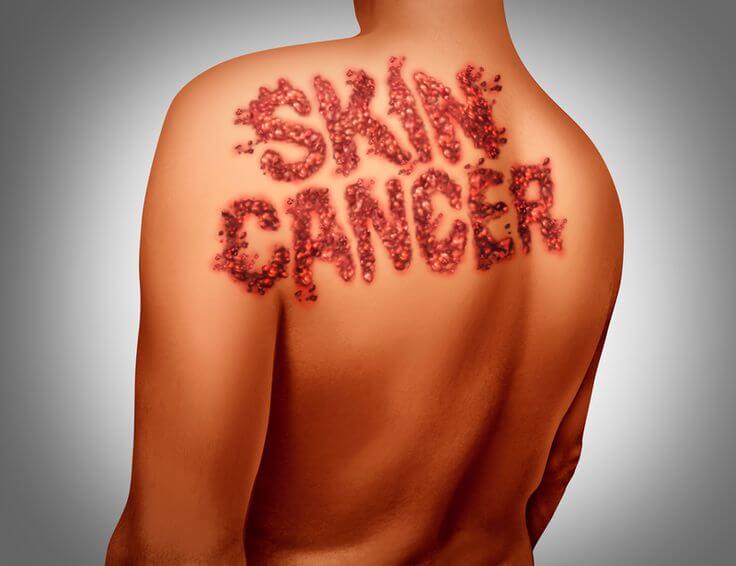
Skin cancer is a prevalent condition that affects millions of people worldwide. It’s essential to understand the basics of skin cancer, its causes, types, prevention methods, and treatment options. This blog aims to provide valuable insights about this growing health concern and guide you on how to protect yourself and your loved ones. In this post, we will explore five key facts about skin cancer, ensuring you have a comprehensive understanding of the condition.
Table of Contents
- What is Skin Cancer?
- Types of Skin Cancer
- Causes and Risk Factors
- Symptoms of Skin Cancer
- Prevention and Treatment Options
- Conclusion
What is Skin Cancer?
Skin cancer occurs when there is an abnormal growth of skin cells, often due to overexposure to ultraviolet (UV) radiation from the sun or tanning beds. The mutation in the DNA of skin cells causes them to grow uncontrollably, leading to the formation of cancerous tumors.
It is important to note that skin cancer is the most common type of cancer globally, but it is also highly treatable when caught early. By paying close attention to changes in your skin, you can identify potential issues before they become more serious.
Understanding the Nature of Skin Cancer
There are three main types of skin cancer that you should be aware of, which differ in their characteristics, appearance, and level of danger. By knowing these types of skin cancer, you will be better equipped to recognize symptoms and seek timely medical help.
Types of Skin Cancer
Skin cancer manifests in three main forms:
a. Basal Cell Carcinoma (BCC)
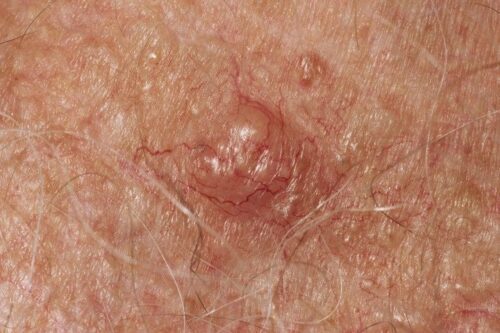
This is the most common form of skin cancer. It typically appears as a small, waxy bump on the face, neck, or hands. BCC grows slowly and rarely spreads to other parts of the body. However, if left untreated, it can cause significant damage to surrounding tissues and organs.
b. Squamous Cell Carcinoma (SCC)
The second most common form of skin cancer, SCC, arises from the outer layer of the skin. It may appear as a firm red nodule or a scaly, crusty patch of skin. Unlike BCC, SCC has a higher risk of spreading to other parts of the body if not addressed promptly.
c. Melanoma
Melanoma is the most dangerous form of skin cancer and is responsible for the majority of deaths related to the disease. It can develop in any part of the body but is most commonly found in areas exposed to the sun. Melanomas often resemble moles and may have an irregular shape or multiple colors.
Melanoma grows rapidly and spreads to other organs if not treated early, making it crucial to detect this type of skin cancer as soon as possible.
Causes and Risk Factors
There are numerous causes and risk factors associated with skin cancer. Understanding these risk factors can help you take preventive measures to protect yourself.
a. Ultraviolet (UV) Exposure
The most significant cause of skin cancer is exposure to UV radiation from the sun or tanning beds. UV radiation damages the DNA in skin cells, leading to mutations that cause cancerous growths. It’s important to limit your time in direct sunlight, especially during peak hours between 10 AM and 4 PM.
b. Skin Type
People with fair skin, light hair, and light eyes are at a higher risk of developing skin cancer. This is because they have less melanin, the pigment that protects skin from UV damage. Individuals with darker skin are also at risk, but their increased melanin provides some natural protection.
c. Family History
A family history of skin cancer increases the likelihood of developing the condition. If a close relative has been diagnosed with skin cancer, it’s crucial to be vigilant about checking your skin regularly.
d. Weakened Immune System
People with weakened immune systems, such as those undergoing chemotherapy or organ transplant recipients, have a higher risk of developing skin cancer. The immune system plays a key role in fighting cancerous cells, so any compromise in immunity increases the chances of abnormal skin growths.
Symptoms of Skin Cancer
Recognizing the early signs and symptoms of skin cancer can make a significant difference in treatment outcomes. Here are some common symptoms to look out for:
a. Changes in Moles
Moles that change in size, shape, or color could be a sign of skin cancer. Pay special attention to moles with irregular borders or multiple colors.
b. New Growths
Any new growths or lesions on the skin, especially those that do not heal, should be examined by a healthcare professional. Skin cancer can appear as a bump, lump, or sore that persists for weeks.
c. Itching or Bleeding
Unexplained itching or bleeding from a mole or other skin growth is a potential indicator of skin cancer. While these symptoms are not exclusive to cancer, they should not be ignored.
d. Sores That Don’t Heal
A sore that doesn’t heal within a few weeks may be a sign of skin cancer. Pay attention to any lesion or scab that remains unhealed for an extended period.
By being aware of these symptoms, you can catch skin cancer early and improve your chances of successful treatment.
Prevention and Treatment Options
Preventing skin cancer is much easier than treating it. Implementing the following practices can greatly reduce your risk of developing the condition:
a. Use Sunscreen Regularly
Applying sunscreen with a broad-spectrum SPF of at least 30 can protect your skin from harmful UV radiation. Remember to reapply every two hours, especially when swimming or sweating.
b. Wear Protective Clothing
When spending time outdoors, wear protective clothing, including wide-brimmed hats, long sleeves, and sunglasses. Clothing with UV protection can further shield your skin from the sun’s harmful rays.
c. Avoid Tanning Beds
Tanning beds expose your skin to concentrated UV radiation, increasing your risk of developing skin cancer. Opt for safer alternatives, such as self-tanning products, to achieve a sun-kissed look without the risk.
d. Perform Regular Skin Checks
Regularly check your skin for new growths, changes in moles, or sores that don’t heal. Early detection is key to treating skin cancer effectively. If you notice anything unusual, consult a dermatologist immediately.
Treatment Options for Skin Cancer
Once skin cancer is diagnosed, treatment options depend on the type, stage, and location of the cancer. Common treatments include:
a. Surgery
Surgical removal of the cancerous tissue is the most common treatment for skin cancer. This may involve excision, where the tumor and surrounding healthy tissue are removed, or Mohs surgery, which is used for larger or recurring cancers.
b. Radiation Therapy
Radiation therapy uses high-energy rays to target and destroy cancer cells. It is often used when skin cancer cannot be treated with surgery or to reduce the risk of recurrence.
c. Chemotherapy
Chemotherapy involves using drugs to kill cancer cells. Topical chemotherapy is often used for surface-level cancers, while systemic chemotherapy treats more advanced stages of skin cancer.
d. Immunotherapy
Immunotherapy boosts the body’s immune system to recognize and fight skin cancer cells. This form of treatment is particularly effective for melanoma, the most dangerous type of skin cancer.
Conclusion
Understanding skin cancer is crucial for protecting your health and well-being. This blog covered essential information about the condition, including its causes, types, symptoms, and prevention methods. By staying vigilant and practicing sun safety, you can significantly reduce your risk of developing skin cancer.
If you notice any changes in your skin, such as new growths, sores that don’t heal, or changes in moles, don’t hesitate to seek medical advice. Early detection is the best defense against skin cancer. Stay safe, protect your skin, and take the necessary steps to minimize your risk.
By following the preventive measures outlined in this post and being aware of the warning signs, you can keep your skin healthy and reduce the chances of developing skin cancer.
FAQs
1. What is skin cancer?
Skin cancer is the abnormal growth of skin cells caused by DNA damage, often due to exposure to ultraviolet (UV) radiation. It can develop on any part of the skin but is most common on areas exposed to the sun, such as the face, neck, and arms.
2. What are the types of skin cancer?
There are three main types of skin cancer:
- Basal Cell Carcinoma (BCC)
- Squamous Cell Carcinoma (SCC)
- Melanoma.
BCC and SCC are more common, while melanoma is the most dangerous and aggressive form.
3. What causes skin cancer?
The primary cause of skin cancer is exposure to UV radiation from the sun or tanning beds. Other factors, such as genetics, skin type, a weakened immune system, and certain chemicals, also increase the risk.
4. How can I recognize the signs of skin cancer?
Common signs include new growths, changes in moles, sores that don’t heal, and lesions that itch or bleed. Any changes in the size, shape, or color of moles should be examined by a dermatologist.
5. Who is at risk for skin cancer?
People with fair skin, light-colored eyes, and light hair are at higher risk. Those with a family history of skin cancer or a weakened immune system are also more susceptible. However, skin cancer can affect people of all skin tones.
6. How can I prevent skin cancer?
Prevention involves using sunscreen regularly, wearing protective clothing, avoiding tanning beds, and limiting sun exposure, especially during peak hours (10 AM to 4 PM). Regularly checking your skin for changes can also help in early detection.
7. How is skin cancer diagnosed?
A dermatologist typically diagnoses skin cancer through a physical examination of the skin and, if necessary, a biopsy. The biopsy involves removing a small tissue sample from the suspicious area for analysis.
8. What are the treatment options for skin cancer?
Treatment depends on the type and stage of skin cancer but may include surgery, radiation therapy, chemotherapy, and immunotherapy. Early-stage cancers can often be treated successfully with minimal intervention.
9. Is skin cancer curable?
When detected early, most skin cancers are highly treatable and curable. Basal cell and squamous cell carcinomas have a very high cure rate. Melanoma, when caught early, is also treatable, but it can be life-threatening if it spreads.
10. How often should I check my skin for signs of skin cancer?
It’s recommended to check your skin once a month for any new or changing growths, moles, or lesions. Annual skin checks with a dermatologist are also advisable, especially if you have risk factors for skin cancer.
Leave a Reply to 7 Incredible Benefits of Adopting a Plant-Based Diet Cancel reply