
Pets are more than just animals; they are beloved members of our families. Whether you’re a seasoned pet owner or a new one, taking proper care of your furry friends is crucial to ensure they live long, healthy, and happy lives. With so many pet care tips available, it can be overwhelming to know where to start. In this blog, we’ll share seven essential pet care tips that will benefit both you and your pet.

Proper Nutrition: The Foundation of Pet Health
The first and most important of all pet care tips is providing the right nutrition. Just like humans, pets need a balanced diet that meets their specific needs. The right pet food provides all the necessary nutrients for your pet’s energy, growth, and overall health.
- Consult a vet for the best food options: Different pets have different dietary requirements. For example, dogs and cats have distinct needs when it comes to protein, fat, and vitamins. Consult a veterinarian to select a high-quality pet food brand that suits your pet’s age, size, and breed.
- Portion control: Avoid overfeeding your pet. Follow the recommended serving size and avoid giving too many treats. Obesity is a common problem in pets, leading to other health issues like joint problems and diabetes.
- Fresh water: Always provide your pet with fresh water. Dehydration can lead to serious health problems, so ensure your pet’s water bowl is filled at all times.
Regular Exercise: Keeping Your Pet Active
Exercise is another key aspect of pet care. Regular physical activity is essential to maintaining a healthy weight, improving mood, and preventing obesity. Every pet has its own exercise requirements, but all animals need some form of movement to stay fit.
- Walking your dog: For dog owners, daily walks are an excellent way to give your dog the exercise it needs. Whether it’s a quick stroll around the block or a more vigorous hike, your dog will benefit from the time spent outside.
- Playtime: Interactive play is essential for indoor pets, especially cats. Use toys to keep your pet engaged and active. For dogs, fetch and tug-of-war are great options.
- Mental stimulation: Mental exercise is as important as physical exercise. Puzzle toys and training sessions are great ways to engage your pet’s mind, preventing boredom and anxiety.
Grooming: Keep Your Pet Clean and Comfortable
Grooming plays a crucial role in your pet’s overall well-being. Regular grooming not only keeps your pet looking good but also helps prevent skin problems and promotes good hygiene.
- Brushing: Regular brushing is essential, especially for long-haired breeds. Brushing your pet’s coat helps remove tangles, loose hair, and dirt, preventing matting and promoting healthy fur growth.
- Bathing: Bathing your pet too frequently can strip its skin of natural oils. However, regular baths are necessary for maintaining a clean coat. Use pet-friendly shampoos to avoid skin irritation.
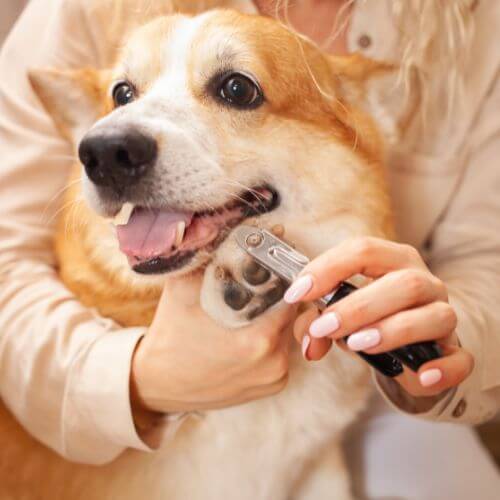
- Nail trimming: Long nails can cause discomfort and even injury. Regularly trim your pet’s nails, especially if they aren’t worn down naturally by walking on hard surfaces.
- Ear and eye care: Regularly check your pet’s ears for signs of infection or wax buildup. Clean their eyes to prevent discharge or irritation.
Veterinary Care: Keep Up with Regular Checkups
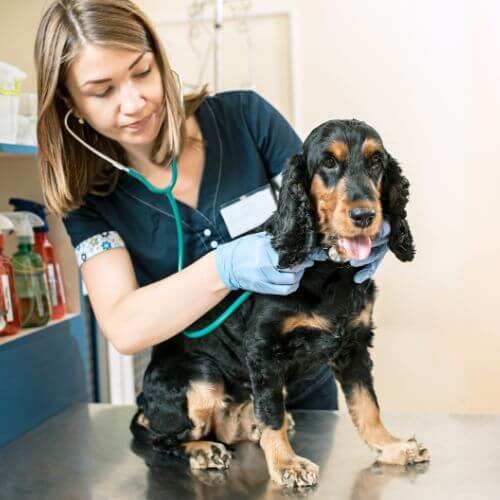
Another important pet care tip is scheduling regular veterinary checkups. Just like humans, pets need routine visits to the vet to monitor their health and prevent potential problems. Regular checkups can catch health issues early, making treatment more effective.
- Annual vaccinations: Vaccinations are vital for preventing diseases. Ensure your pet is up-to-date on its vaccinations and boosters to protect it from preventable diseases.
- Parasite prevention: Fleas, ticks, and worms can cause serious health issues in pets. Speak to your vet about appropriate parasite prevention treatments, such as flea and tick preventatives or deworming medications.
- Dental care: Oral hygiene is often overlooked, but it’s vital to your pet’s health. Regularly brushing your pet’s teeth with a pet-safe toothbrush and toothpaste can prevent dental issues like gum disease and tooth decay.
Creating a Safe and Comfortable Living Environment
One of the simplest pet care tips is creating a safe and comfortable environment for your pet. Pets need space to relax, play, and explore. Whether it’s a designated area in your home or a spacious yard, ensure your pet has everything it needs.
- Secure your home: Make sure your home is pet-proofed. Remove hazards like toxic plants, small objects that can be swallowed, or dangerous chemicals. Pet-proof your home by securing electrical cords, outlets, and any potentially harmful substances.
- Comfortable resting space: Provide a comfortable bed or crate where your pet can rest and feel secure. Pets need a quiet, peaceful space for relaxation, so ensure their sleeping area is free from disturbances.
- Toys and enrichment: Pets need mental and physical stimulation, so provide them with a variety of toys to keep them entertained. Chew toys, interactive toys, and puzzle feeders are great for keeping pets occupied.
Socialization: Building Strong Relationships with Your Pet
Socialization is an essential pet care tip that helps your pet feel more comfortable in different environments and situations. Well-socialized pets are generally more confident, less anxious, and better behaved.
- Early socialization for puppies and kittens: The earlier you start socializing your pet, the better. Expose them to new people, animals, and environments in a controlled and positive way to help them develop good behavior patterns.
- Training sessions: Training is an essential part of socialization. Basic commands like sit, stay, and come can help establish boundaries and reinforce positive behaviors.
- Interaction with other pets: Allow your pet to interact with other animals in a controlled environment. This helps them learn appropriate behavior and reduces anxiety or aggression towards other animals.
Recognizing the Signs of Illness: Be Proactive with Health Concerns
As a responsible pet owner, it’s important to be vigilant about your pet’s health. Recognizing the early signs of illness can prevent more serious conditions down the road. If you notice any of the following symptoms, consult your veterinarian immediately:
- Changes in appetite: If your pet suddenly loses its appetite or begins eating excessively, it could indicate an underlying health issue.
- Lethargy: If your pet seems unusually tired or lethargic, it may be a sign of illness. Pay attention to changes in energy levels.
- Changes in behavior: Sudden behavioral changes, such as aggression, anxiety, or withdrawal, may indicate health issues that require attention.
- Digestive issues: Vomiting, diarrhea, or changes in stool consistency are often signs of digestive problems or infections.
Conclusion
Taking care of your pet involves more than just feeding and walking them. By following these essential pet care tips, you ensure your pet enjoys a long, healthy, and happy life. From proper nutrition and exercise to regular grooming and veterinary care, your role as a pet owner is vital for your pet’s well-being. Remember that a happy pet is a healthy pet, and with the right care, you’ll create a bond that lasts a lifetime.
By consistently implementing these pet care tips into your routine, you’ll not only enhance your pet’s quality of life but also foster a deep and lasting connection with your beloved companion.
FAQs
What are the basic pet care tips every pet owner should know?
The basic pet care tips include providing proper nutrition, ensuring regular exercise, maintaining good grooming habits, scheduling regular vet checkups, creating a safe environment, socializing your pet, and being vigilant for signs of illness.
How often should I take my pet to the vet?
Pets should visit the vet at least once a year for a checkup. However, older pets or those with health issues may need more frequent visits. Regular vaccinations and parasite prevention treatments are also crucial for maintaining your pet’s health.
What should I feed my pet?
Feed your pet a balanced diet that meets their specific nutritional needs. Consult your veterinarian to choose the best food based on your pet’s age, size, and breed. Fresh water should also be available at all times.
How can I keep my pet active?
Regular exercise is essential for your pet’s health. Dogs benefit from daily walks, while cats need interactive play. You can also provide your pet with toys that stimulate their mind and encourage movement, such as puzzle toys or fetch games.
How often should I groom my pet?
Grooming frequency depends on your pet’s breed and coat type. Long-haired pets need more frequent brushing, while short-haired pets may require grooming less often. Regular baths, nail trimming, and ear cleaning are also part of a good grooming routine.
What are the signs that my pet is sick?
Common signs of illness include loss of appetite, lethargy, sudden behavioral changes, vomiting, diarrhea, and excessive scratching. If you notice any of these symptoms, consult your veterinarian to ensure early diagnosis and treatment.
How do I prevent my pet from getting fleas and ticks?
Consult your veterinarian for recommendations on flea and tick prevention treatments. These may include oral medications, topical treatments, or collars designed to repel parasites. Regularly check your pet’s fur for signs of parasites.
Is it necessary to train my pet?
Yes, training is an essential part of pet care. Basic commands such as sit, stay, and come help establish boundaries and create a positive relationship with your pet. Training also aids in socialization, which is vital for reducing anxiety and behavioral issues.
What should I do if my pet is afraid of certain sounds or situations?
If your pet shows signs of fear or anxiety, such as shaking or hiding, try to gradually expose them to the source of their fear in a controlled manner. Positive reinforcement and comfort can help. For severe anxiety, consider consulting a veterinarian or animal behaviorist.
How do I know if I am overfeeding my pet?
Overfeeding can lead to obesity and health problems. Follow the recommended portion sizes provided by your pet’s food manufacturer and monitor your pet’s weight. If you notice your pet gaining excessive weight or becoming sluggish, consult your vet for guidance.
Leave a Reply