
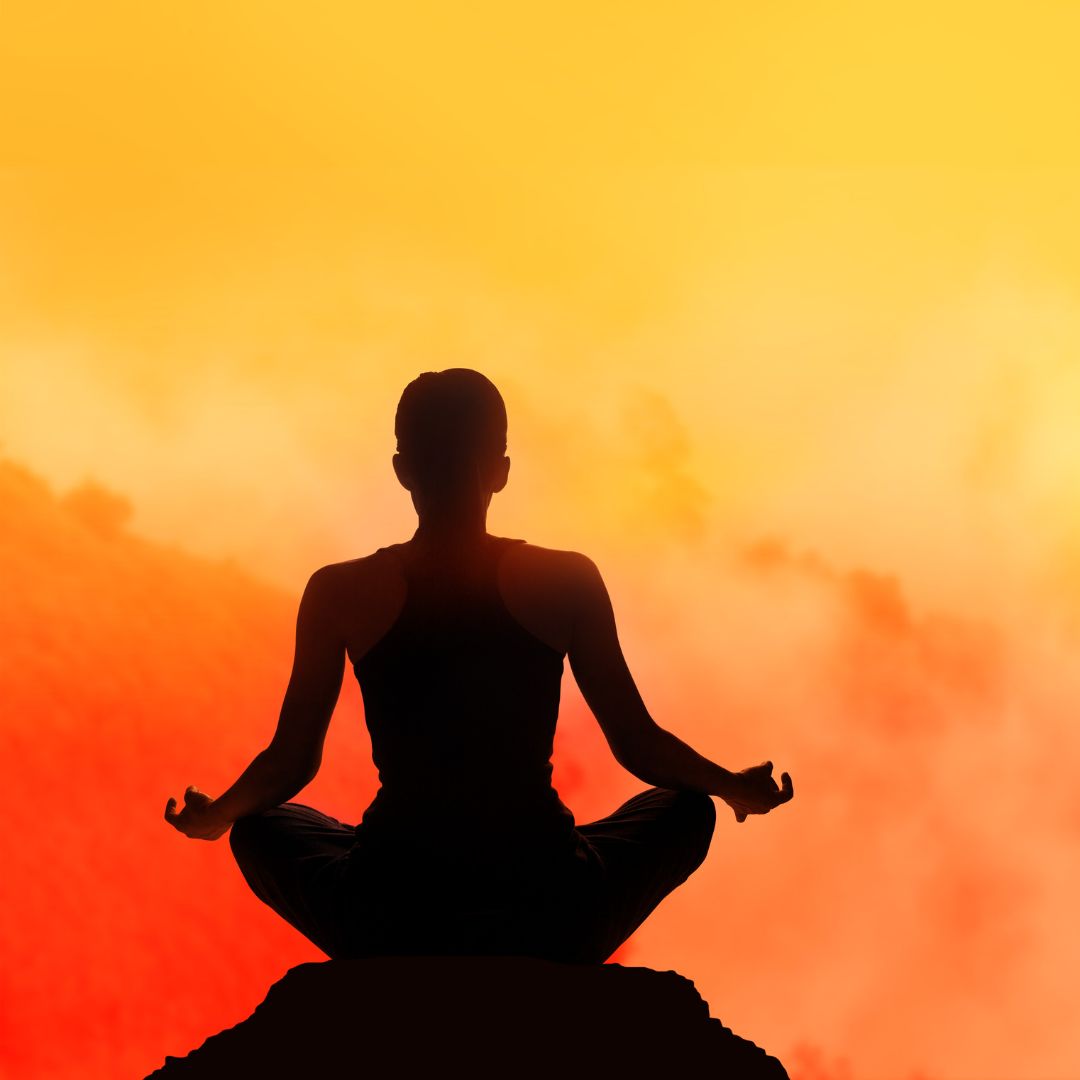
Meditation is an ancient practice embraced by many cultures around the world. It serves as a powerful tool for enhancing mental clarity, emotional stability, and overall well-being. In this blog post, we will explore seven effective meditation techniques that can transform your daily routine and help you achieve a state of inner peace.
Understanding Meditation
Before diving into the specific techniques, it’s essential to understand what meditation is. Meditation is a practice that involves focusing the mind and eliminating distractions. This practice allows individuals to achieve a heightened state of awareness, promoting relaxation and reducing stress.
Benefits of Meditation
The advantages of meditation are numerous. Regular practice leads to improved focus, better emotional regulation, and a greater sense of calm. Studies have shown that individuals who meditate experience lower levels of anxiety and depression. This blog post emphasizes the significance of meditation techniques in achieving these benefits.
Mindfulness Meditation
Mindfulness meditation is one of the most popular techniques. It emphasizes being present in the moment without judgment. Practicing mindfulness involves focusing on your breath, bodily sensations, and thoughts as they arise.
How to Practice Mindfulness Meditation
- Find a Quiet Space: Choose a comfortable place where you won’t be disturbed.
- Set a Timer: Start with 5-10 minutes and gradually increase the duration.
- Focus on Your Breath: Pay attention to your inhalation and exhalation. If your mind wanders, gently bring it back to your breath.
- Observe Your Thoughts: Acknowledge your thoughts without judgment and let them pass.
Mindfulness meditation is a technique that allows practitioners to enhance self-awareness and achieve a deeper understanding of their thoughts and emotions.
Guided Meditation
Guided meditation is a technique where a narrator or teacher guides you through the meditation process. This approach is particularly beneficial for beginners as it provides structure and direction.

Steps for Guided Meditation
- Select a Guided Session: Many apps and online resources offer guided meditation sessions.
- Find a Comfortable Position: Sit or lie down in a relaxed posture.
- Listen and Follow: Focus on the narrator’s voice and instructions. Visualize the scenes described to enhance your experience.
Guided meditation often incorporates themes such as relaxation, healing, and gratitude, allowing practitioners to explore different aspects of their consciousness.
Loving-Kindness Meditation
Loving-kindness meditation, also known as “Metta” meditation, focuses on developing feelings of compassion and love towards oneself and others. This technique promotes positive emotions and fosters a sense of connection.
How to Practice Loving-Kindness Meditation
- Sit Comfortably: Find a quiet space to sit comfortably.
- Close Your Eyes: Take a few deep breaths to center yourself.
- Repeat Phrases: Silently repeat phrases such as “May I be happy, may I be healthy” and extend these wishes to others.
- Visualize: Picture loved ones and even individuals you find challenging, sending them positive energy and love.
Practicing loving-kindness meditation regularly nurtures positive feelings and enhances emotional resilience.
Transcendental Meditation
Transcendental Meditation (TM) is a technique that requires the repetition of a specific mantra. This practice promotes deep relaxation and can lead to a state of profound tranquility.

Steps to Practice Transcendental Meditation
- Learn a Mantra: Typically, TM involves learning a mantra from a certified instructor.
- Sit Comfortably: Choose a quiet place to sit comfortably with your eyes closed.
- Repeat the Mantra: Silently repeat your mantra for about 15-20 minutes.
- Return to Normalcy: Gradually stop repeating the mantra and sit quietly for a moment before resuming daily activities.
Transcendental meditation allows practitioners to experience a deep sense of peace and clarity.
Body Scan Meditation
Body scan meditation is a technique that focuses on different parts of the body, promoting relaxation and awareness of physical sensations. This practice helps release tension and increases mindfulness.
How to Conduct a Body Scan
- Lie Down Comfortably: Find a comfortable position, either lying down or seated.
- Close Your Eyes: Begin by taking deep breaths.
- Focus on Each Body Part: Starting from your toes, progressively move your attention up through your body, noticing any sensations.
- Release Tension: With each breath, consciously relax the areas of tension as you scan.
Body scan meditation fosters a deeper connection between the mind and body.
Zen Meditation (Zazen)
Zen meditation, or Zazen, is a traditional form of meditation rooted in Buddhist practices. This technique emphasizes stillness and deep observation.
Steps for Practicing Zen Meditation
- Sit in a Comfortable Position: Use a cushion or chair to sit upright.
- Focus on Your Breath: Pay attention to your breath, observing its natural rhythm.
- Maintain Awareness: Allow thoughts to come and go without engaging with them.
- Practice Regularly: Aim for daily practice to deepen your experience.
Zen meditation enhances focus and cultivates a state of alertness.
Movement Meditation
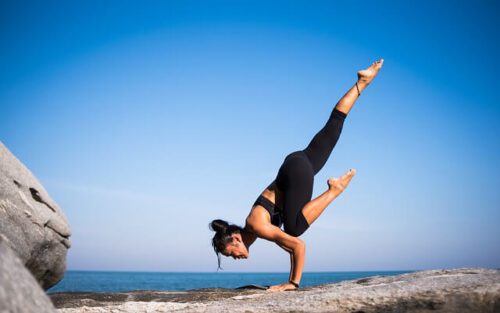
Movement meditation integrates physical movement with mindfulness. This technique is often practiced through activities such as yoga or tai chi, where each movement is performed with intention and awareness.
How to Practice Movement Meditation
- Choose Your Activity: Select an activity that allows you to move mindfully.
- Focus on Breath and Movement: Pay attention to your breath as you perform each movement.
- Stay Present: Concentrate on the sensations in your body, letting go of distractions.
- Practice Regularly: Integrate this practice into your routine for better results.
Movement meditation promotes physical health while enhancing mental clarity.
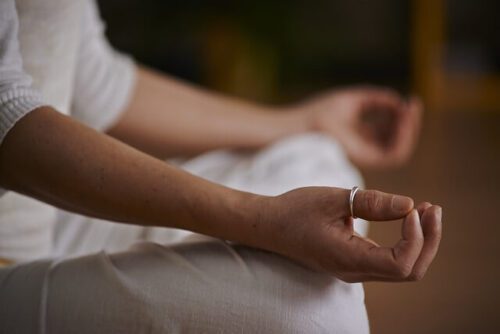
Creating a Meditation Routine
To fully experience the benefits of these meditation techniques, creating a consistent meditation routine is essential. Here are some tips to help you establish your routine:
1. Set a Regular Time
Choose a specific time each day to meditate. Morning or evening works best for many people.
2. Start Small
If you are new to meditation, begin with shorter sessions (5-10 minutes) and gradually increase the duration.
3. Create a Dedicated Space
Designate a quiet space in your home for meditation. This area should be free from distractions and clutter.
4. Be Consistent
Consistency is key to reaping the benefits of meditation. Aim to practice daily, even if for a short time.
Overcoming Common Challenges
Many people encounter challenges when starting their meditation practice. Here are some common issues and strategies to overcome them:
1. Wandering Mind
It’s natural for the mind to wander. When you notice this, gently redirect your focus back to your breath or mantra.
2. Time Constraints
If you feel pressed for time, try shorter meditation sessions. Even five minutes of mindfulness can be beneficial.
3. Restlessness
If you struggle with restlessness, consider incorporating movement meditation or body scan techniques to engage your body while calming your mind.
Conclusion
Meditation is a transformative practice that offers numerous benefits for mental and emotional well-being. By exploring different meditation techniques, individuals can find the approach that resonates with them. Incorporating mindfulness, guided sessions, loving-kindness, and other techniques into daily life enhances self-awareness and promotes tranquility.
As you embark on your meditation journey, remember that consistency and patience are key. Embrace the practice, and experience the profound effects it brings to your life. Let these meditation techniques guide you toward a more peaceful and fulfilled existence.
Faqs
1. What is the best meditation technique for beginners?
- Answer: Mindfulness meditation is often recommended for beginners as it’s simple and focuses on breathing and awareness. Guided meditation is also a good starting point, as a teacher or narrator leads you through the process.
2. How long should I meditate each day?
- Answer: Starting with 5-10 minutes daily is ideal for beginners. As you get comfortable, gradually increase to 15-30 minutes for deeper benefits.
3. Is it necessary to sit in a specific position while meditating?
- Answer: No, you don’t need to sit in a specific position. Sitting comfortably with your back straight is recommended, but some people also meditate while lying down or even walking.
4. How quickly can I expect to see results from meditation?
- Answer: Many people notice reduced stress and improved focus within a few weeks of consistent practice, though it varies. Benefits like enhanced emotional stability and self-awareness may take a few months.
5. Can meditation help with anxiety?
- Answer: Yes, meditation, especially mindfulness and loving-kindness techniques, has been shown to reduce anxiety by helping individuals observe thoughts without judgment and cultivate positive emotions.
6. Do I need a teacher to learn meditation techniques?
- Answer: While having a teacher can be helpful, especially for techniques like Transcendental Meditation, many people successfully learn meditation through apps, videos, and self-guided practice.
7. What is the difference between meditation and mindfulness?
- Answer: Meditation is a practice of focused awareness, often involving techniques to calm the mind. Mindfulness is a type of meditation that involves being fully present and aware in the moment, without judgment.
8. How do I prevent my mind from wandering during meditation?
- Answer: A wandering mind is natural, especially for beginners. Simply acknowledge your thoughts and gently bring your focus back to your breath or mantra without frustration.
9. Can meditation be practiced while doing physical activities?
- Answer: Yes, movement meditation includes practices like yoga and tai chi, which combine physical movement with mindfulness, allowing you to remain aware and present in your actions.
10. What is the role of breathing in meditation techniques?
- Answer: Breathing is central to most meditation techniques as it anchors your focus, helps regulate the mind, and promotes relaxation. Slow, deep breathing calms the nervous system, enhancing the benefits of meditation.
Leave a Reply to 10 Effective Ayurvedic Remedies for Depression: A Holistic Approach to Mental Wellness Cancel reply