
Introduction
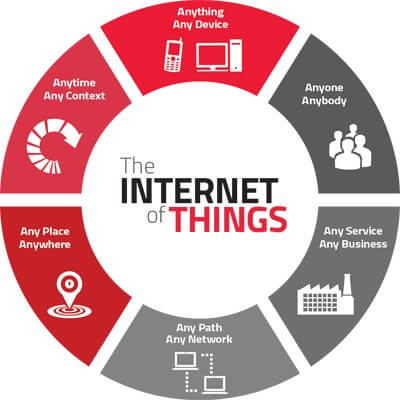
The Internet of Things (IoT) represents a transformative shift in technology, connecting devices, systems, and services to enhance our daily lives. With billions of devices linked to the internet, the Internet of Things enables seamless communication, data exchange, and automation, impacting various sectors, including healthcare, agriculture, and smart cities. This blog post explores seven revolutionary ways the Internet of Things transforms our lives, illustrating its significance in today’s world.
Smart Homes: A New Era of Convenience
Enhanced Security
The Internet of Things facilitates the creation of smart homes equipped with various devices, such as smart locks, security cameras, and alarm systems. These devices offer real-time monitoring and alerts, ensuring safety and security for homeowners. With the Internet of Things, homeowners can remotely control their security systems, monitor their properties, and receive notifications about suspicious activities.
Energy Efficiency
Smart thermostats and energy management systems, powered by the Internet of Things, enable homeowners to optimize their energy consumption. These systems learn user preferences and adjust heating and cooling accordingly, leading to significant energy savings and lower utility bills. The Internet of Things also allows homeowners to monitor their energy usage and identify areas for improvement.
Transforming Healthcare with IoT
Remote Patient Monitoring
The Internet of Things revolutionizes healthcare by enabling remote patient monitoring. Wearable devices, such as smartwatches and fitness trackers, collect health data, allowing healthcare providers to monitor patients’ conditions in real-time. This technology enhances patient care by enabling early detection of health issues and reducing the need for hospital visits.
Telemedicine Solutions
Telemedicine powered by the Internet of Things connects patients and healthcare professionals through virtual consultations. This approach increases accessibility to medical care, especially for individuals in remote areas. Patients can receive timely diagnoses and treatment recommendations without the need for in-person visits.
Smart Cities: Building Sustainable Communities
Efficient Transportation
The Internet of Things plays a vital role in developing smart cities by optimizing transportation systems. Connected vehicles communicate with traffic signals, reducing congestion and improving traffic flow. This technology enhances public transportation services, making them more efficient and accessible for citizens.

Waste Management
Smart waste management systems utilize the Internet of Things to optimize waste collection processes. Sensors installed in waste bins monitor fill levels and alert collection services when they need to be emptied. This approach minimizes operational costs and reduces environmental impact by ensuring efficient waste disposal.
Agriculture: Precision Farming for Better Yields
Crop Monitoring
The Internet of Things transforms agriculture through precision farming techniques. Sensors placed in fields monitor soil moisture, temperature, and nutrient levels, providing farmers with real-time data to make informed decisions. This technology enhances crop yield and reduces resource wastage.
Livestock Management
Farmers utilize the Internet of Things to monitor livestock health and behavior. Wearable devices track vital signs and movement patterns, alerting farmers to any abnormalities. This proactive approach leads to better animal care and increased productivity in the livestock industry.
Retail: Enhancing Customer Experience
Personalized Shopping
The Internet of Things revolutionizes the retail industry by enabling personalized shopping experiences. Retailers utilize data collected from connected devices to understand customer preferences and tailor recommendations. This technology enhances customer satisfaction and drives sales.
Inventory Management
Smart inventory management systems powered by the Internet of Things streamline supply chain operations. Sensors monitor stock levels in real-time, reducing the risk of stockouts and overstock situations. This efficiency leads to better inventory control and improved customer service.
Industrial IoT: Driving Efficiency in Manufacturing
Predictive Maintenance
The Internet of Things enhances manufacturing processes through predictive maintenance. Sensors installed in machinery monitor performance and detect potential issues before they lead to costly downtime. This approach increases operational efficiency and reduces maintenance costs.
Supply Chain Optimization
Industrial IoT applications facilitate better supply chain management. Real-time data tracking allows manufacturers to monitor inventory levels, production rates, and logistics. This transparency enables companies to make data-driven decisions, improving overall efficiency.
Challenges and Future of IoT
Security Concerns
Despite the numerous benefits, the Internet of Things poses security challenges. With an increasing number of connected devices, the potential for cyberattacks rises. Organizations must implement robust security measures to protect sensitive data and maintain user privacy.
Future Trends
The future of the Internet of Things looks promising, with advancements in artificial intelligence, machine learning, and edge computing. These technologies will enhance the capabilities of IoT devices, enabling more sophisticated applications and solutions across various sectors.
Conclusion
The Internet of Things is reshaping our world in profound ways. From smart homes to healthcare, agriculture, and industrial applications, IoT is at the forefront of technological innovation. As we embrace this transformation, understanding the potential and challenges of the Internet of Things becomes essential. By harnessing the power of IoT, we can create a more connected, efficient, and sustainable future for all.

FAQs
1. What is the Internet of Things (IoT)?
The Internet of Things (IoT) refers to a network of interconnected devices that communicate and exchange data with each other over the internet. These devices range from everyday household items to complex industrial machinery, enabling smart functionalities and automation.
2. How does IoT work?
IoT works by embedding sensors, software, and connectivity features into physical devices, allowing them to collect and share data. These devices connect to the internet, where data is processed and analyzed, providing insights or enabling automated responses.
3. What are some common applications of IoT?
Common applications of the Internet of Things include smart home devices (like thermostats and security cameras), wearable health monitors, smart cities (traffic management and waste collection), and industrial IoT solutions (predictive maintenance and supply chain optimization).
4. What are the benefits of IoT?
The Internet of Things offers numerous benefits, such as increased efficiency, enhanced convenience, improved data-driven decision-making, better resource management, and enhanced customer experiences across various sectors.
5. What are the security concerns associated with IoT?
The growing number of connected devices poses significant security risks, including data breaches, unauthorized access, and cyberattacks. Implementing strong security measures, such as encryption and regular updates, is essential to mitigate these risks.
6. How does IoT impact healthcare?
In healthcare, the Internet of Things enables remote patient monitoring, telemedicine solutions, and better management of medical equipment. Wearable devices collect real-time health data, allowing healthcare providers to deliver timely interventions and improve patient outcomes.
7. Is IoT environmentally friendly?
IoT can promote sustainability by optimizing resource use, reducing waste, and improving energy efficiency. Smart systems can monitor energy consumption and emissions, leading to more sustainable practices in industries like agriculture, manufacturing, and urban management.
8. How does IoT affect the workplace?
The Internet of Things enhances workplace productivity through smart devices that streamline operations, automate routine tasks, and improve communication. IoT can also monitor employee performance and workplace conditions, promoting a healthier work environment.
9. What is the future of IoT?
The future of the Internet of Things is promising, with advancements in artificial intelligence, machine learning, and edge computing expected to enhance IoT capabilities. These technologies will enable more sophisticated applications and further integration of IoT into everyday life.
10. How can businesses leverage IoT?
Businesses can leverage the Internet of Things to optimize operations, improve customer experiences, enhance product offerings, and drive innovation. By utilizing data from connected devices, organizations can make informed decisions and remain competitive in their industries.
Leave a Reply to 10 Exciting Budget 2024 Predictions That Will Shape Our Future Cancel reply