

Losing weight is a goal many of us strive to achieve, yet the path to success is often filled with challenges. If you’re looking for ways to shed those extra pounds and live a healthier lifestyle, you’re not alone. Whether it’s for health reasons, appearance, or fitness goals, understanding how to lose weight requires more than just willpower. It involves a well-rounded approach that includes diet, exercise, and mindset. Let’s explore 7 powerful strategies that will help you on your journey to achieving weight loss in a sustainable and healthy way.

Understand the Basics of Weight Loss
Before jumping into different methods, it’s important to understand how weight loss works. At its core, weight loss occurs when your body burns more calories than it consumes. This creates a calorie deficit, which leads to fat burning. Understanding this principle is crucial when figuring out how to lose weight. Once you grasp this concept, you can make informed choices about the food you eat and the exercise you do.
How Your Body Burns Fat
Your body burns fat in response to a calorie deficit. This means that when you eat fewer calories than your body requires for daily functioning, it begins to break down stored fat to provide the necessary energy. However, it’s essential to approach this process in a balanced way. Extremely low-calorie diets may cause nutritional deficiencies or metabolic slowdown, so it’s important to find a moderate approach to losing weight.
Create a Calorie Deficit Through Diet
One of the most effective ways to lose weight is by adjusting your diet. When you want to learn how to lose weight, it’s not just about cutting out food entirely—it’s about making smarter, healthier choices.

Focus on Nutrient-Dense Foods
Eating whole, nutrient-dense foods is key to achieving long-term weight loss. Focus on vegetables, fruits, lean proteins, and whole grains. These foods are lower in calories but provide essential vitamins and minerals your body needs. Include foods like leafy greens, berries, chicken, tofu, quinoa, and oats in your meals to stay full longer without overconsuming calories.
Portion Control
One of the simplest yet most effective ways of managing your calorie intake is portion control. Instead of depriving yourself, try eating smaller portions of your favorite foods. This allows you to reduce calorie intake while still satisfying your cravings.
Eliminate Processed and Sugary Foods
Processed foods, sugary snacks, and sodas are often packed with empty calories that offer little nutritional value. These foods contribute to weight gain and can sabotage your weight loss efforts. By cutting back on processed snacks, sugary drinks, and junk food, you’ll be one step closer to learning how to lose weight effectively.

Make Exercise Part of Your Routine
When considering how to lose weight, exercise is an indispensable component of the process. Regular physical activity helps burn calories, boost metabolism, and build muscle, which in turn supports fat loss.
Cardio Exercises
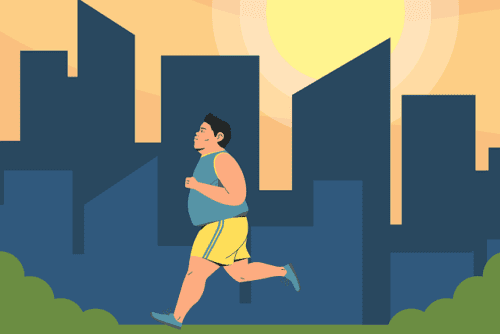
Cardiovascular exercise is one of the most effective ways to burn calories and lose weight. Activities such as running, cycling, swimming, or even brisk walking can help you burn a significant number of calories and improve your overall fitness. Aim for at least 30 minutes of moderate cardio exercise most days of the week to see results.
Strength Training
While cardio is great for burning calories, strength training builds muscle, which increases your resting metabolic rate. This means your body burns more calories even when you’re not working out. Include exercises like squats, lunges, push-ups, and weightlifting in your weekly routine for optimal weight loss.
Incorporate High-Intensity Interval Training (HIIT)
HIIT is an advanced workout method that alternates between short bursts of intense activity and periods of rest. This workout style has been shown to burn more fat in less time compared to traditional cardio exercises. Incorporating HIIT into your fitness routine is a great way to accelerate your fat loss and improve endurance.
Stay Hydrated for Weight Loss
When it comes to how to lose weight, hydration plays a significant role. Drinking water throughout the day keeps your metabolism functioning properly, helps control hunger, and ensures your body operates at its peak performance. Often, feelings of hunger are actually a result of dehydration, so staying hydrated can help prevent unnecessary snacking.
Water vs. Sugary Drinks
Water should be your go-to beverage when trying to lose weight. Sugary drinks like soda, juices, and sweetened coffee contain empty calories that add up quickly. Replacing these drinks with water or herbal teas can reduce your overall calorie intake significantly.

Drink Water Before Meals
Drinking a glass of water before your meals can help you feel fuller, making it easier to avoid overeating. It’s an easy strategy for anyone trying to figure out how to lose weight effectively.
Get Sufficient Sleep
Sleep plays a crucial role in weight loss, and inadequate sleep can hinder your progress. When you don’t get enough rest, your body’s hunger hormones become unbalanced, often leading to increased cravings and overeating.
Hormones and Weight Loss
Lack of sleep can elevate levels of ghrelin, the hormone that stimulates appetite, and reduce leptin, the hormone responsible for making you feel full. This imbalance can cause you to eat more than you need, making it harder to stick to your weight loss plan.

Aim for 7-9 Hours of Sleep
To optimize weight loss, aim for at least 7-9 hours of sleep each night. Creating a relaxing bedtime routine and reducing screen time before bed can help improve sleep quality and support your weight loss goals.
Mindful Eating and Stress Management
Stress and emotional eating can be major obstacles when learning how to lose weight. High levels of stress often lead to unhealthy eating habits, such as consuming comfort foods or overeating in response to emotions.
Practice Mindful Eating
Mindful eating is the practice of paying full attention to your food and the act of eating. It involves eating slowly, savoring each bite, and tuning into your body’s hunger and fullness signals. This practice can help you avoid overeating and make healthier food choices.
Manage Stress Effectively
Chronic stress triggers the release of cortisol, a hormone that encourages fat storage, particularly around the abdomen. Practicing stress-reducing activities like yoga, meditation, deep breathing, or even spending time outdoors can help lower cortisol levels and prevent emotional eating.

Stay Consistent and Be Patient
When trying to lose weight, consistency is key. Results don’t happen overnight, and it’s important to stay committed to your routine.
Set Realistic Goals
It’s crucial to set achievable goals and celebrate small victories along the way. Aim for a gradual weight loss of about 0.5 to 1 kg per week. This is a sustainable rate that ensures you maintain muscle mass while losing fat.
Stay Motivated
There will be days when motivation wanes, but it’s important to stay focused on your long-term health goals. Find ways to stay inspired, whether it’s tracking your progress, joining a support group, or rewarding yourself for sticking to your plan.
Conclusion
Achieving weight loss is about making small, consistent changes to your lifestyle. Understanding how to lose weight effectively involves a combination of a balanced diet, regular exercise, proper hydration, and stress management. By staying committed to these strategies, you will not only lose weight but also adopt healthier habits that last a lifetime.
By incorporating these steps, you’ll be well on your way to achieving your weight loss goals and leading a healthier, more energetic life.
FAQs
What is the best way to lose weight quickly?
The best way to lose weight quickly is by creating a calorie deficit through a combination of a balanced diet, regular exercise, and staying hydrated. Focusing on nutrient-dense foods, controlling portions, and including both cardio and strength training in your workout routine can accelerate weight loss.
How many calories should I consume to lose weight?
The number of calories you should consume depends on various factors like age, gender, activity level, and weight loss goals. On average, reducing your daily calorie intake by 500–1000 calories can result in a weight loss of about 0.5 to 1 kg per week, which is considered safe and sustainable.
Can I lose weight without exercising?
While exercise accelerates weight loss, it’s possible to lose weight through diet alone. However, incorporating exercise into your routine not only helps with fat loss but also improves overall health, builds muscle, and boosts metabolism.
What is the best type of exercise for weight loss?
A combination of cardiovascular exercise (like running, cycling, or swimming) and strength training (such as weightlifting or bodyweight exercises) is most effective for weight loss. High-Intensity Interval Training (HIIT) can also be an excellent way to burn fat quickly.
How much water should I drink to lose weight?
Drinking at least 8-10 glasses (2-2.5 liters) of water daily can help with weight loss. Drinking water before meals can make you feel fuller, which helps control hunger and reduce calorie intake. Avoid sugary drinks, which add empty calories.
Can stress affect weight loss?
Yes, stress can negatively impact weight loss. It increases cortisol levels, which may lead to emotional eating, cravings for unhealthy foods, and fat storage, especially around the abdomen. Practicing stress management techniques like meditation, yoga, and deep breathing can help you stay on track.
Is intermittent fasting effective for weight loss?
Intermittent fasting involves cycling between periods of eating and fasting, and it can be an effective method for weight loss. It helps reduce overall calorie intake and may improve metabolism. However, it’s essential to consult with a healthcare provider before trying any fasting regimen.
How long will it take to see weight loss results?
Weight loss is a gradual process, and results depend on your approach. Generally, healthy weight loss of 0.5 to 1 kg per week can be seen within a few weeks, but it’s important to stay consistent with diet and exercise for long-term results.
Is a low-carb diet effective for losing weight?
Low-carb diets, such as keto or Atkins, can help some people lose weight by reducing insulin levels and encouraging the body to burn fat for fuel. However, the effectiveness of a low-carb diet varies from person to person. It’s crucial to find a diet that works best for your lifestyle and needs.
How do I avoid regaining weight after losing it?
To maintain weight loss, focus on adopting long-term healthy habits, such as eating a balanced diet, exercising regularly, and practicing mindful eating. Avoid extreme dieting methods and make gradual lifestyle changes that are sustainable in the long run.
Leave a Reply