

Graphic design is more than just arranging images and text; it is a powerful tool that communicates ideas and emotions. Whether you are a seasoned designer or just starting, mastering graphic design techniques can enhance your creative skills and improve your work. Here are ten essential graphic design tips to elevate your design projects and leave a lasting impression on your audience.

Understanding the Basics of Graphic Design
Before exploring the graphic design tips, it’s crucial to grasp the fundamentals of graphic design. Familiarize yourself with design elements such as color, typography, layout, and imagery. Understanding these elements sets the foundation for successful designs.
Color Theory
Colors evoke emotions and convey messages. Familiarize yourself with the color wheel, color harmony, and the psychology of colors. Utilize complementary colors for contrast or analogous colors for a cohesive look. Always consider your target audience when selecting colors.
Typography Matters
Typography plays a significant role in graphic design. Choose fonts that align with your brand identity and ensure readability. Limit yourself to two or three fonts per project to maintain a clean and cohesive look. Experiment with font sizes, weights, and styles to create visual hierarchy.
Top Graphic Design Tips
Here are the graphic design tips that every designer should implement in their work.

Keep It Simple
Simplicity is key in graphic design. Avoid overcrowding your designs with unnecessary elements. Strive for a clean and straightforward layout that effectively communicates your message. Utilize white space to create balance and enhance readability.
Use Grids for Alignment
Grids are invaluable tools in graphic design. They help maintain alignment and consistency throughout your design. Using grids makes it easier to position elements, ensuring a polished and professional look. Explore grid systems like the 12-column grid to create responsive layouts for various devices.
Prioritize Readability
A design is only effective if the message is clear. Always prioritize readability by selecting legible fonts, appropriate sizes, and sufficient contrast between text and background. Test your designs with different audiences to ensure your message is easily understood.
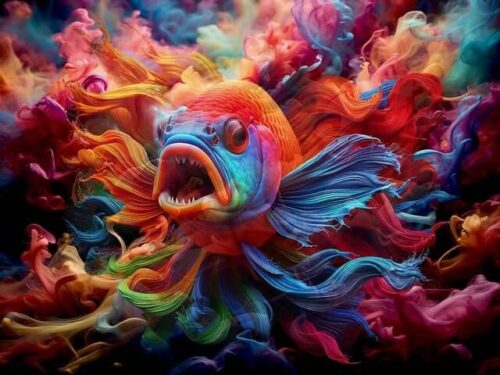
Utilize Visual Hierarchy
Visual hierarchy guides viewers through your design. Employ size, color, contrast, and positioning to emphasize important elements. This ensures your audience focuses on the intended message first, making it easier for them to navigate your design.
Incorporate Consistent Branding
Consistency in branding is crucial for creating a recognizable identity. Ensure that colors, fonts, and design elements align with your brand guidelines. This reinforces brand recognition and builds trust with your audience.
Experiment with Layouts
Don’t be afraid to experiment with different layouts. Grid systems provide a starting point, but creative designs often come from breaking the mold. Explore asymmetrical layouts or overlapping elements to create unique and engaging compositions.
Optimize for Different Platforms
Different platforms require different design approaches. Whether designing for print, social media, or websites, tailor your designs for each platform. Consider aspect ratios, file formats, and user experiences when creating graphics.

Use High-Quality Images
Images significantly impact the overall quality of your design. Always use high-resolution images to maintain clarity and professionalism. Avoid pixelated images, as they detract from the overall aesthetic. When using stock images, opt for unique and relevant visuals that align with your brand.
Test and Iterate
Graphic design is an iterative process. After creating your design, gather feedback from peers or potential users. This valuable insight allows you to make necessary adjustments and improvements. Always be open to constructive criticism and refine your designs accordingly.
Stay Inspired
Inspiration is vital in any creative field. Surround yourself with design resources, follow design blogs, and explore social media platforms dedicated to graphic design. Keeping your creativity flowing can lead to innovative ideas and fresh perspectives.

Conclusion
Implementing these graphic design tips can significantly enhance your design projects and improve your skills. Remember the importance of simplicity, readability, and consistency. Stay curious, continue learning, and embrace the creative journey. Graphic design is an evolving field, and keeping up with trends and techniques is essential for success.
By focusing on these tips, designers can create visually appealing and effective designs that resonate with their audience. So, get started on your next project armed with these valuable graphic design tips!
FAQs
1. What are the basic elements of graphic design?
The basic elements of graphic design include line, shape, color, texture, space, form, and typography. Understanding these elements is essential for creating effective designs.
2. How important is color theory in graphic design?
Color theory is crucial in graphic design as colors evoke emotions and convey messages. Knowledge of color harmony and psychology helps designers select the right colors for their projects.
3. Why is simplicity important in graphic design?
Simplicity ensures clarity and effectiveness in communication. Overly complex designs can confuse the audience, while clean and straightforward layouts make it easier to understand the message.
4. What is visual hierarchy, and why is it important?
Visual hierarchy refers to the arrangement of elements in a way that guides viewers through the design. It helps prioritize important information, making it easier for the audience to navigate the content.
5. How can I ensure my designs are readable?
To ensure readability, choose legible fonts, maintain appropriate font sizes, and ensure sufficient contrast between text and background. Testing your designs with different audiences can also help assess readability.
6. What role does branding play in graphic design?
Branding creates a recognizable identity and builds trust with the audience. Consistent use of colors, fonts, and design elements reinforces brand recognition and contributes to a cohesive visual identity.
7. How can I optimize my designs for different platforms?
Tailor your designs to the specifications and requirements of each platform. Consider aspects like aspect ratios, file formats, and user experience to create graphics that work effectively across various mediums.
8. What types of images should I use in my designs?
Always use high-quality, high-resolution images that are relevant to your message. Avoid pixelated images, as they detract from the overall professionalism of your design.
9. How do I gather feedback on my designs?
Share your designs with peers, colleagues, or potential users and ask for constructive criticism. This feedback can provide valuable insights for improvements and refinements.
10. How can I stay inspired in graphic design?
Stay inspired by following design blogs, exploring social media platforms, and engaging with design communities. Regularly seeking new ideas and perspectives can fuel creativity and lead to innovative designs.
Leave a Reply to 10 Essential Photography Tips for Stunning Shots Cancel reply