

Hey there, if you’re a student like me who’s ever looked out the window during a weirdly hot day in winter or heard about wildfires raging longer than usual, you know climate change isn’t just some distant problem—it’s right here, messing with our world. I’m talking to you directly because, honestly, as the next generation, we’re the ones who’ll have to deal with this the most.
But here’s the good news: environmental engineering is stepping up big time with smart ways to fight back. Think of environmental engineering as the behind-the-scenes hero that designs systems to protect our planet, from cleaning up polluted rivers to creating tech that cuts down on harmful gases. It’s all about using science and creativity to make sure we can live sustainably without wrecking everything.
Have you ever wondered why your phone charges from solar panels or why some cities are pushing electric buses? That’s environmental engineering at work, focusing on technologies that tackle climate change head-on. In this chat, we’ll walk through what this field really means for us, spotlight some key technologies, and wrap up with thoughts on why it matters for your future. Stick with me—it’s not about boring lectures; it’s like figuring out puzzles that could save the day.
Getting the Basics: What Environmental Engineering Really Does
Let’s start simple. Environmental engineering is basically engineering with a green twist. Engineers in this field figure out how to solve problems caused by human activities, like pollution or resource overuse, while keeping the environment healthy. For climate change, which is ramping up because of things like burning fossil fuels that release greenhouse gases, these pros design solutions to reduce those emissions or adapt to the changes already happening.
Picture this: you’re in a class learning about ecosystems, and suddenly it clicks that without clean air or water, nothing works. Environmental engineers use math, biology, and a bit of chemistry to build stuff like wastewater treatment plants or air filters for factories. But when it comes to climate change, they’re all about prevention and innovation.
Why does this matter to you? Because as students, you’re probably already thinking about careers—maybe in tech or design—and this field blends it all with real-world impact. Ever thought about how your daily habits, like driving or eating, connect to bigger issues? Environmental engineering helps bridge that gap, making sure future tech doesn’t add to the problem.
Environmental Engineering Climate Change Technologies in Action
Now, let’s get to the exciting part—the actual technologies. These aren’t sci-fi dreams; they’re real tools environmental engineers are using or developing to push back against climate change. I’ll break it down into seven key ones, with examples that might surprise you. Each one shows how clever thinking can make a difference, and I’ll throw in questions to keep you thinking.
Renewable Energy Systems: Powering Up Without the Pollution
First up, renewable energy. Have you noticed more solar panels on rooftops or wind turbines spinning in fields? That’s environmental engineering harnessing nature’s power—sun, wind, water, and even heat from the Earth—to generate electricity without spewing carbon dioxide. Unlike coal or gas plants that heat the planet, these systems cut emissions big time. For instance, engineers design massive wind farms offshore where winds are stronger, or solar arrays that track the sun for max efficiency.
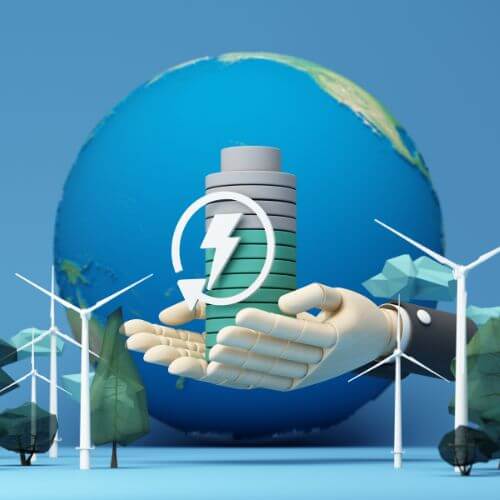
But it’s not just about installation; it’s the smart grids they build to store and distribute this energy. Batteries, like those in electric cars, are getting better thanks to engineering tweaks, holding more power from renewables. Studies show switching to these could slash global emissions by up to 70% by 2050. What if your school ran entirely on solar? It’d save money and teach everyone about sustainability. Environmental engineering makes this possible by optimizing everything from panel materials to grid connections, turning intermittent sources like sun and wind into reliable power.
Carbon Capture and Storage: Trapping the Bad Stuff
Okay, what about the emissions we can’t avoid yet? Enter carbon capture and storage (CCS), a game-changer where engineers grab CO2 right from smokestacks or even the air and stash it underground. Imagine a factory belching smoke—CCS tech uses chemicals or filters to snag the CO2, compress it, and pipe it to old oil wells or deep rock formations where it stays put.
One cool method is direct air capture, like giant fans pulling CO2 from the atmosphere using moisture swings—wet air captures it, dry releases it for storage. It’s like a vacuum for greenhouse gases. Engineers are making it cheaper with new materials, aiming to scale up for big impact. Have you ever thought about how this could reverse some damage? In places like power plants, it’s already cutting emissions by 90% in tests. This tech is crucial because while we shift to renewables, CCS buys time, preventing more warming.
Sustainable Water Management: Keeping the Flow Going
Climate change is messing with water—more droughts in some spots, floods in others. Environmental engineers tackle this with sustainable water management, designing systems to save, reuse, and protect water resources. Think smart irrigation that uses sensors to water crops only when needed, cutting waste by half, or rainwater harvesting setups in cities to recharge groundwater.
They also build resilient infrastructure like permeable pavements that let water soak in instead of flooding streets. In dry areas, desalination plants turn seawater fresh using less energy thanks to engineering advances. Ever wondered why some places run out of water while others have too much? These techs balance it, using AI to predict shortages from climate data. It’s all about adaptation—making sure we have enough clean water even as patterns shift, which also cuts energy use since pumping water guzzles power.

AI and Machine Learning: The Brainy Helpers
Here’s where it gets futuristic but totally real: artificial intelligence in environmental engineering. AI crunches huge data sets to spot patterns, like predicting weather extremes or optimizing energy use in buildings. Engineers use it for climate modeling, forecasting how emissions affect temperatures, and even designing better carbon capture.
For example, AI-powered smart grids adjust power flow in real-time, integrating solar and wind without blackouts. In agriculture, drones with AI monitor soil to reduce fertilizer runoff, which harms waterways and adds to warming. What if AI could tell you exactly how to cut your carbon footprint? It’s happening—apps and systems engineered for that. This tech boosts efficiency, potentially dropping global energy waste by 20-30%, making climate fights smarter and faster.
Robotics for Cleanup and Monitoring
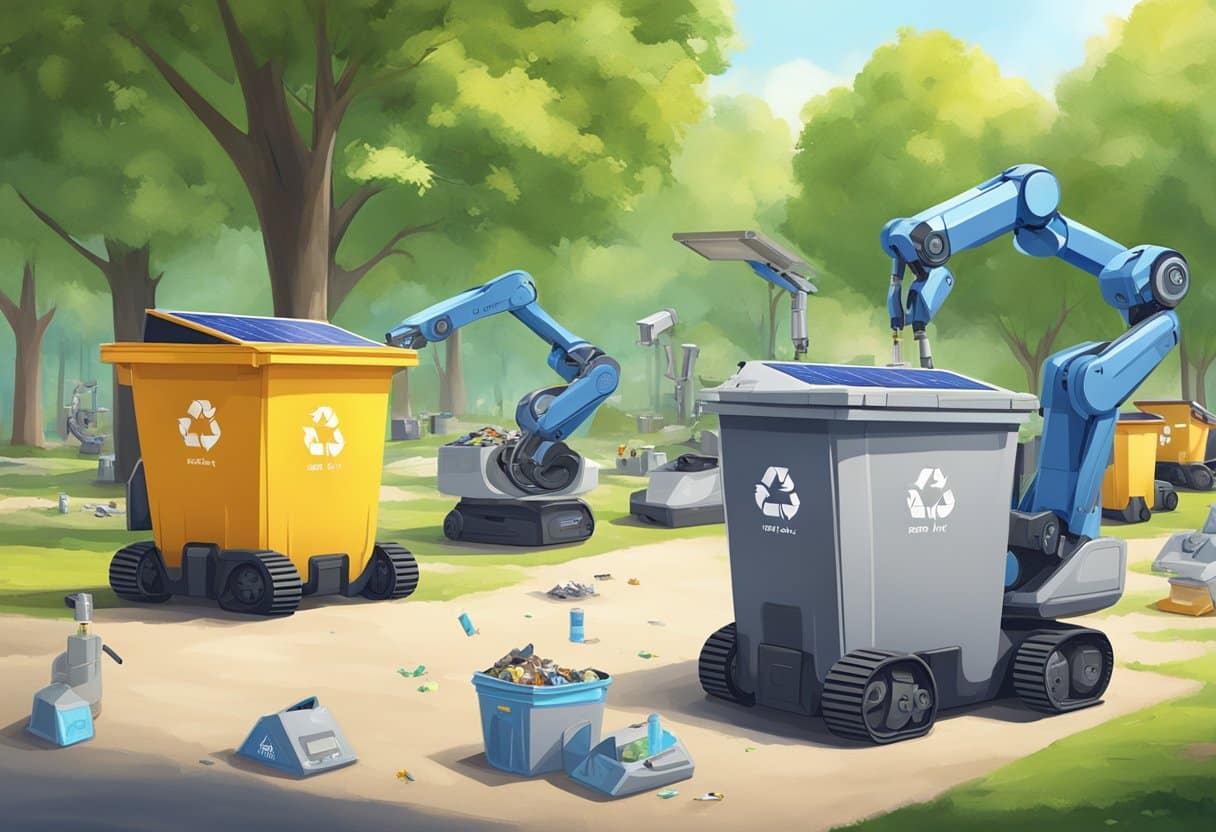
Robots aren’t just for movies; environmental engineers deploy them to handle tough jobs. Picture drones planting trees in hard-to-reach areas or robots sorting recyclables faster than humans. In fighting climate change, robotics maintains wind turbines in rough seas or cleans up oil spills that release methane.
One example is AI robots in waste facilities identifying plastics for recycling, boosting rates and cutting landfill methane. They also monitor forests for deforestation, alerting us early. Have you seen videos of robots picking up ocean trash? That’s engineering at work, reducing pollution that worsens warming. These bots make tasks safer and more efficient, scaling up efforts we couldn’t do manually.
Biochar and Soil Restoration: Nature’s Fix
Biochar might sound odd, but it’s charred plant material that engineers use to lock carbon in soil for centuries. Made by heating waste like crop residues without oxygen, it improves soil health, holds water better, and sequesters CO2.
Environmental engineers integrate this into farming systems, reducing emissions from agriculture—which is huge for climate change. It also boosts crop yields in changing climates. Think regenerative agriculture: rotating crops, using cover plants, all engineered for sustainability. Ever considered how dirt could fight warming? Biochar turns waste into a carbon sink, potentially removing billions of tons of CO2 yearly if scaled.
Green Infrastructure and Building Design
Last but vital: green buildings and infrastructure. Engineers create structures that use less energy, like insulated walls or green roofs that cool cities and absorb rain. In urban areas, this combats heat islands from climate change.
They use materials like transparent wood—stronger and more insulating than glass—to cut heating needs. Electric everything, from heat pumps to EVs, is engineered for low emissions. What if your dorm was zero-energy? It’s possible with these designs, saving resources and money while slashing building emissions, which are 40% of global totals.

Wrapping It Up: Your Role in This
We’ve covered a lot, from renewables powering our gadgets to robots cleaning up messes—all thanks to environmental engineering climate change technologies. These aren’t just fixes; they’re ways to build a better world where we don’t fear every storm or heatwave. As students, you’re in a prime spot to learn more, maybe even join the field or push for these in your communities.
Imagine a future where these technologies are everywhere because we chose to act now— that’s the power you hold.
FAQs
1.What is environmental engineering?
Environmental engineering is a branch of engineering that focuses on protecting the environment by reducing pollution, managing waste, and developing sustainable technologies to address issues like climate change.
2. How does environmental engineering help with climate change?
Environmental engineers develop technologies like renewable energy systems, carbon capture, and sustainable water management to reduce greenhouse gas emissions and adapt to changing climate conditions, helping mitigate global warming’s impacts.
3. What are some key environmental engineering technologies for climate change?
Key technologies include renewable energy like solar and wind, carbon capture and storage, AI for climate modeling, robotics for environmental monitoring, and green building designs that lower emissions.
4. Can environmental engineering reverse climate change?
While it can’t fully reverse damage already done, environmental engineering can slow climate change through innovations like direct air capture and reforestation, buying time for broader solutions.
5. What career opportunities exist in environmental engineering for climate change?
Careers include roles in renewable energy development, water resource management, policy advocacy, and tech innovation, with growing demand as the world focuses on sustainability.
Disclaimer:
The information provided in this blog is for general informational and educational purposes only. Mantech Publications is not affiliated, associated, authorized, endorsed by, or in any way officially connected with any brands, companies, organizations, or institutions mentioned in the content. The views and opinions expressed in the blog posts are solely those of the individual authors and do not necessarily reflect the official policy, position, or opinions of Mantech Publications. While efforts are made to ensure the accuracy and reliability of the information provided, Mantech Publications and its management accept no responsibility or liability for any loss, damage, or inconvenience caused as a result of reliance on the material published on this website.
Leave a Reply to Amazing 7 Nano Science Trends: Materials Cancel reply