

Distance education has transformed the way we approach learning, offering flexibility, accessibility, and convenience to students worldwide. With the rapid advancements in technology, the rise of distance education has been remarkable, providing opportunities for individuals to study from the comfort of their homes. This blog post explores the various benefits and features of distance education and how it has become an essential aspect of modern education in 2024.
What is Distance Education?
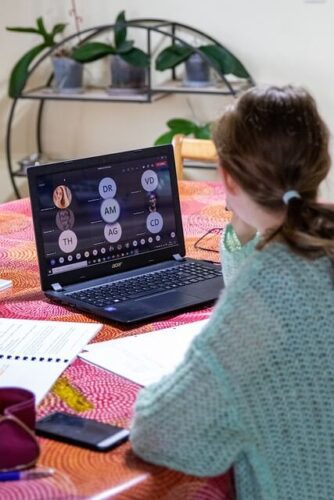
Distance education refers to a form of learning where students engage with their studies without the need for traditional classroom attendance. It involves the use of technology, such as the internet, to deliver lessons, assignments, and lectures. This method allows students to learn at their own pace and from virtually any location.
Distance education has grown significantly in recent years, especially after the COVID-19 pandemic, which pushed many educational institutions to adopt online platforms. Today, students can pursue degrees, certifications, and courses without physically attending classes, opening doors to a broader range of learners across the globe.
The Rise of Distance Education: A Game Changer
The demand for distance education has surged due to its ability to cater to the needs of diverse learners. Whether you’re a working professional, a stay-at-home parent, or someone living in a remote location, distance education provides a unique opportunity to pursue your academic goals without geographical constraints.
In 2024, this educational format continues to grow due to the numerous benefits it offers over traditional classroom learning. From the ability to balance personal and academic life to the affordability of many distance education programs, it’s clear that this learning model is here to stay.
Flexibility and Convenience
One of the greatest advantages of distance education is the flexibility it offers. Students can create their own study schedule, allowing them to balance education with work or personal responsibilities. This flexibility is especially beneficial for those who need to juggle multiple commitments.
For example, working professionals often opt for distance education to upskill or change careers while maintaining their full-time job. The ability to access course materials online anytime and anywhere makes learning possible without the need to attend a traditional classroom setting.

Accessibility for All
Distance education breaks down geographical barriers, making education accessible to anyone, regardless of where they live. Students in remote or rural areas, where educational institutions may be scarce, can now access high-quality courses and programs through online platforms.
Moreover, distance education is an essential option for those who are physically challenged or have other special needs, as it removes the barriers of commuting and physical attendance. By allowing students to study at their own pace in a comfortable environment, distance education fosters inclusivity.
Wide Range of Programs and Courses
The growth of distance education in recent years has led to an extensive range of programs and courses available online. From undergraduate degrees to postgraduate studies, professional certifications, and short-term courses, learners now have a vast array of educational opportunities at their fingertips.
Many prestigious universities and institutions offer distance education programs, ensuring students receive quality education comparable to traditional on-campus learning. Whether you’re interested in pursuing a degree in business, computer science, arts, or healthcare, distance education provides a wealth of options that suit various interests and career goals.
Cost-Effectiveness
Distance education is often more affordable compared to traditional on-campus education. Without the need for commuting, housing, or other campus-related expenses, students can significantly reduce their overall education costs.
Moreover, many institutions offer affordable online courses, scholarships, and financial aid programs specifically designed for distance education students. This makes it a viable option for individuals seeking a quality education at a fraction of the cost of traditional programs.

Self-Paced Learning and Personal Growth
Distance education allows students to learn at their own pace. Unlike traditional classroom settings where lessons follow a strict timetable, distance education students can take their time to understand the material, revisit difficult concepts, and advance as they feel comfortable.
This self-paced learning approach encourages personal growth, as students can develop essential skills such as time management, discipline, and responsibility. It allows learners to take charge of their educational journey and progress according to their own needs and learning style.
Technological Advancements in Distance Education
In 2024, the integration of advanced technology in distance education is at an all-time high. Virtual classrooms, interactive video lessons, online collaboration tools, and AI-driven personalized learning are just a few of the innovations that have enhanced the online education experience.
These technological advancements ensure that students receive a dynamic and engaging learning experience. With access to multimedia resources, virtual simulations, and real-time discussions with instructors and peers, distance education has become more immersive and effective than ever before.

Improved Career Prospects
Completing a distance education program can significantly enhance your career prospects. Many employers value the skills developed through online learning, such as self-motivation, time management, and adaptability. Additionally, distance education allows individuals to pursue career-related courses and certifications while maintaining their current job, providing opportunities for career advancement.
Many professionals have found success in transitioning to new fields or climbing the career ladder by gaining new qualifications through distance education. This method enables individuals to stay competitive in their industries by upskilling and acquiring new knowledge at their own convenience.
Distance Education in 2024: The Future of Learning
The future of distance education looks incredibly promising. With the continuous advancements in technology, the online education sector will continue to evolve and expand, offering even more opportunities for students worldwide.
The integration of artificial intelligence, virtual reality, and augmented reality into distance education is set to enhance the learning experience further. These technologies will provide more immersive and interactive learning environments, allowing students to engage with the material in ways that were previously impossible.
Moreover, the growing acceptance of online degrees and certifications by employers and educational institutions ensures that distance education remains a viable and respected option for learners across the globe.
Overcoming Challenges in Distance Education
While distance education offers many benefits, it also presents some challenges. Students may face difficulties in staying motivated without the structure of a traditional classroom. Additionally, technical issues such as internet connectivity problems or lack of access to devices can hinder the learning experience for some individuals.
However, many institutions are actively working to address these challenges by providing support services such as online tutoring, virtual study groups, and tech assistance. The continuous improvement of online platforms and learning management systems will also help alleviate some of these barriers.
Conclusion
Distance education is revolutionizing the way people learn, offering flexibility, accessibility, and a diverse range of opportunities. As technology continues to advance, distance education will play an increasingly vital role in shaping the future of learning. In 2024, it is clear that distance education is not just a trend but a long-term solution for learners around the world.
Whether you’re looking to advance your career, learn a new skill, or pursue your passions, distance education provides the tools and resources needed to succeed. With its numerous advantages and growing acceptance, distance education is shaping the future of education in ways that were once unimaginable.
Embrace the power of distance education, and unlock a world of possibilities in 2024 and beyond.
FAQs
1. What is distance education?
Distance education is a form of learning where students do not attend physical classrooms. Instead, they access course materials, attend virtual lectures, and complete assignments online. This mode of education offers flexibility and convenience, allowing students to learn from anywhere.
2. How is distance education different from traditional classroom learning?
The main difference between distance education and traditional classroom learning is that distance education takes place online, allowing students to study at their own pace and from any location. Traditional classroom learning requires physical attendance, set schedules, and direct interaction with instructors.
3. What are the benefits of distance education?
Distance education offers several benefits, including flexibility in learning schedules, accessibility for students in remote areas, cost-effectiveness, and a wide variety of courses and programs. It also allows students to balance their education with personal and professional responsibilities.
4. Is distance education as effective as traditional learning?
Yes, distance education can be as effective as traditional learning when it is well-structured and supported by the right technology. Many accredited universities and institutions offer online courses that provide the same quality of education as in-person classes.
5. What types of programs are available through distance education?
Distance education offers a wide range of programs, including undergraduate and postgraduate degrees, professional certifications, diploma courses, and short-term skill development programs. Courses are available in fields like business, technology, healthcare, arts, and more.
6. Do I need a specific set of skills to succeed in distance education?
While you don’t need specialized skills, being self-motivated, disciplined, and organized is essential for success in distance education. Strong time management and effective communication skills can also help students navigate online platforms and complete assignments on time.
7. How do I access course materials in distance education?
Course materials for distance education are typically provided through online learning platforms, where you can access lectures, readings, assignments, and exams. Most platforms also allow students to interact with instructors and fellow students through discussion boards and live sessions.
8. Can I interact with my instructors and classmates in distance education?
Yes, distance education offers various ways to interact with instructors and peers. These interactions may occur via online forums, video calls, emails, and virtual group discussions. Many platforms also offer real-time virtual classrooms for live lectures and Q&A sessions.
9. What are the technical requirements for distance education?
To participate in distance education, you will need a reliable internet connection, a computer or device with adequate specifications, and access to online learning platforms. Some courses may also require additional software or tools, which will be communicated by the institution.
10. Are distance education degrees recognized by employers?
Yes, many employers recognize degrees and certifications earned through distance education, especially if the program is offered by an accredited institution. It’s essential to ensure that the course or degree is accredited by a recognized educational body to ensure its credibility in the job market.
Leave a Reply to 5 Proven Benefits of Online Tutoring for Modern Learners Cancel reply