
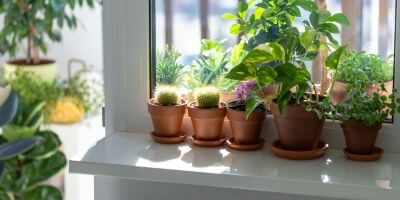
Indoor plants are more than just decorative items; they serve an essential role in enhancing the quality of air in our homes and offices. The best indoor plants for clean air not only beautify your space but also contribute significantly to our overall well-being. In this blog post, we’ll explore ten of the top indoor plants that purify the air, improve your mood, and promote a healthier living environment.
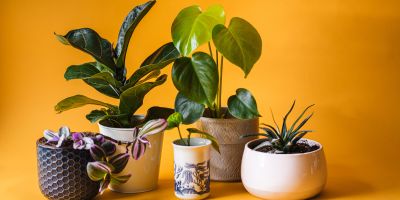
1. Snake Plant (Sansevieria)
The snake plant is a popular choice among those looking for the best indoor plants for clean air. Known for its striking upright leaves, this resilient plant thrives in various light conditions, from low light to bright, indirect sunlight. One of its standout features is its ability to convert carbon dioxide into oxygen during the night, making it a perfect addition to your bedroom. It’s a low-maintenance plant, requiring minimal watering and care.
2. Spider Plant (Chlorophytum comosum)
Spider plants rank high on the list of the best indoor plants for clean air. They are effective at removing pollutants such as formaldehyde and xylene from the air. With its long, arching leaves and small white flowers, the spider plant adds a lively touch to any room. It thrives in indirect sunlight and prefers to be slightly root-bound, making it a resilient choice for beginners.

3. Peace Lily (Spathiphyllum)
The peace lily is another excellent contender among the best indoor plants for clean air. This plant is particularly valued for its ability to filter out harmful toxins like ammonia, benzene, and formaldehyde. Its beautiful white flowers and glossy green leaves not only purify the air but also enhance the aesthetic appeal of your living space. The peace lily prefers low to medium light and requires regular watering, making it an ideal option for homes and offices alike.
4. Boston Fern (Nephrolepis exaltata)
Boston ferns are exceptional when it comes to removing airborne pollutants. These lush, green plants thrive in high humidity and indirect sunlight, making them perfect for kitchens or bathrooms. Known for their feathery fronds, Boston ferns require consistent moisture and regular misting. Including this plant in your collection of the best indoor plants for clean air ensures a vibrant, oxygen-rich environment.
5. Rubber Plant (Ficus elastica)
The rubber plant is a striking addition to any home or office, boasting large, glossy leaves that act as natural air purifiers. This plant effectively removes toxins from the air, particularly formaldehyde. The rubber plant prefers bright, indirect sunlight and can tolerate some neglect, making it a great choice for busy individuals. Incorporating this plant into your space adds both beauty and functionality, solidifying its status among the best indoor plants for clean air.

6. Aloe Vera
Aloe vera is more than just a popular succulent; it ranks as one of the best indoor plants for clean air. This hardy plant thrives in bright, indirect sunlight and requires minimal care, making it ideal for beginners. Aloe vera not only filters out formaldehyde and benzene but also releases oxygen at night, promoting a restful sleep environment. Its gel-like sap is also known for its soothing properties, making it a versatile addition to your home.
7. Dracaena
Dracaena is a diverse genus of plants that includes various species, each contributing to cleaner air. These plants effectively filter pollutants like formaldehyde and trichloroethylene. Dracaena prefers indirect light and should be watered when the topsoil feels dry. With their elegant appearance and air-purifying qualities, dracaena species deserve a spot among the best indoor plants for clean air.
8. Pothos (Epipremnum aureum)
Pothos is a favorite among plant enthusiasts for its ease of care and air-purifying abilities. Known for its heart-shaped leaves, this trailing plant effectively removes indoor air pollutants, including formaldehyde and benzene. Pothos thrives in various light conditions, from low light to bright, indirect sunlight, and requires minimal watering. Its versatility and ability to improve air quality solidify its place among the best indoor plants for clean air.
9. ZZ Plant (Zamioculcas zamiifolia)
The ZZ plant is a stunning low-maintenance option known for its glossy, dark green leaves. It thrives in low-light conditions and requires infrequent watering, making it perfect for busy lifestyles. This plant is effective at removing toxins from the air, such as xylene and toluene. Including a ZZ plant in your collection of the best indoor plants for clean air guarantees a beautiful, easy-care addition that promotes a healthier indoor atmosphere.
10. Philodendron
Philodendron plants are beloved for their stunning foliage and air-purifying properties. They effectively remove harmful pollutants like formaldehyde from the air, making them a popular choice among the best indoor plants for clean air. These plants thrive in indirect sunlight and prefer to dry out slightly between waterings. With their heart-shaped leaves and lush growth, philodendrons add a touch of elegance to any room while improving air quality.
Benefits of Indoor Plants for Clean Air
Including the best indoor plants for clean air in your home offers numerous benefits beyond aesthetics. Here are some key advantages:
- Improved Air Quality: Many indoor plants naturally filter harmful pollutants, enhancing the overall air quality in your home.
- Increased Humidity: Plants release moisture into the air through a process called transpiration, helping to maintain humidity levels and combat dry air.
- Enhanced Mood: Studies show that being around plants can reduce stress and anxiety, boosting overall mood and productivity.
- Aesthetic Appeal: Indoor plants add beauty and life to any space, enhancing your home’s overall design.
- Connection to Nature: Incorporating plants into your living environment fosters a connection to nature, promoting a sense of well-being.
Caring for Indoor Plants
To maximize the benefits of the best indoor plants for clean air, proper care is essential. Here are some tips to keep your plants healthy and thriving:
- Light Requirements: Understand each plant’s light requirements and place them accordingly. While some thrive in low light, others need bright, indirect sunlight.
- Watering: Overwatering is a common mistake. Ensure pots have drainage holes and allow the soil to dry slightly between waterings.
- Humidity: Some plants prefer higher humidity levels. Misting or placing a humidifier nearby can benefit these varieties.
- Fertilization: During the growing season, provide appropriate fertilizers to promote healthy growth.
- Regular Cleaning: Dust can accumulate on leaves, hindering a plant’s ability to photosynthesize. Wipe leaves regularly to keep them clean and healthy.
Conclusion
Incorporating the best indoor plants for clean air into your living space provides numerous benefits, from improved air quality to enhanced aesthetics. Each plant on this list offers unique qualities that contribute to a healthier and more vibrant environment. Whether you’re a seasoned plant enthusiast or just starting your green journey, these indoor plants will help you create a natural sanctuary in your home. Start your journey today and transform your indoor space into a clean, refreshing oasis!
FAQs
1. What are the best indoor plants for clean air?
The best indoor plants for clean air include Snake Plant, Spider Plant, Peace Lily, Boston Fern, Rubber Plant, Aloe Vera, Dracaena, Pothos, ZZ Plant, and Philodendron. These plants are known for their air-purifying qualities and ability to remove harmful toxins.
2. How do indoor plants purify the air?
Indoor plants purify the air through a process called photosynthesis, where they absorb carbon dioxide and release oxygen. Many also filter out harmful toxins, such as formaldehyde, benzene, and xylene, improving indoor air quality.
3. Are there any indoor plants that thrive in low light?
Yes, several indoor plants thrive in low light, including the Snake Plant, ZZ Plant, and Pothos. These plants are perfect for areas of your home that do not receive direct sunlight.
4. How often should I water my indoor plants?
Watering needs vary by plant species. Generally, it’s best to allow the top inch of soil to dry out before watering again. Overwatering can lead to root rot, so always ensure pots have drainage holes.
5. Do indoor plants require a lot of maintenance?
Many of the best indoor plants for clean air are low-maintenance. Plants like Snake Plant, ZZ Plant, and Pothos are forgiving and require minimal care, making them suitable for beginners.
6. Can indoor plants improve my mood?
Yes, being around indoor plants can reduce stress and anxiety, leading to an overall improvement in mood. Studies show that green spaces can enhance well-being and productivity.
7. How do I choose the right indoor plants for my home?
Consider factors like light conditions, humidity levels, and your ability to care for the plants. Choose plants that match your lifestyle and the specific environment of your home.
8. Are indoor plants safe for pets?
While many indoor plants are safe for pets, some can be toxic if ingested. Research the specific plants before bringing them into your home, especially if you have pets. Options like Spider Plant and Boston Fern are generally considered safe.
9. How can I enhance humidity for my indoor plants?
To increase humidity, you can mist your plants regularly, place a humidifier nearby, or group plants together to create a microclimate. Certain plants, like Boston Fern, thrive in higher humidity.
10. Can I use indoor plants in every room of my home?
Yes, indoor plants can be used in various rooms, including living rooms, bedrooms, kitchens, and bathrooms. Just be sure to choose plants that match the light and humidity conditions of each space.
Leave a Reply to Ayurveda for Glowing Skin: 7 Proven Tips for Radiant Skin Cancel reply