
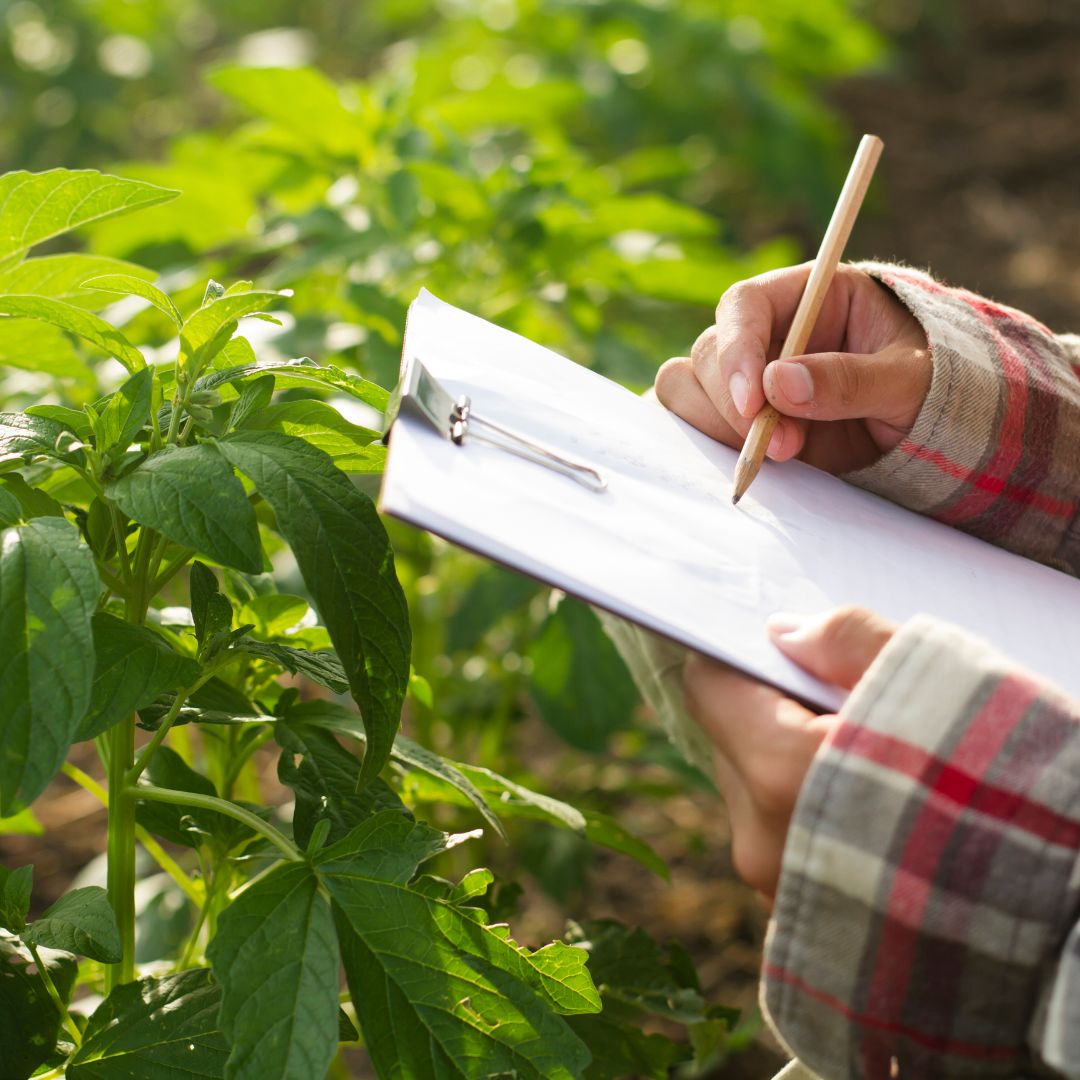
Agriculture is a crucial industry that sustains our planet, providing the food and raw materials needed for survival and economic growth. From crop cultivation to animal husbandry, agriculture plays an indispensable role in shaping economies, cultures, and ecosystems worldwide. As we move further into 2024, several key trends are emerging that will transform the landscape of farming and food production. This article explores the most significant trends in agriculture and how they impact farmers, consumers, and the environment.

The Rise of Precision Agriculture
Precision agriculture is revolutionizing how farmers approach crop production. Using advanced technology such as GPS, drones, and sensors, farmers are now able to monitor their crops in real-time, optimizing their use of water, fertilizers, and pesticides. This data-driven approach allows for more efficient farming, reducing waste and improving crop yields.
As the world’s population continues to grow, precision agriculture is becoming more critical for ensuring food security. By using real-time data, farmers can make informed decisions, increasing productivity while minimizing environmental damage. This efficient use of resources also reduces operational costs, making farming more profitable.
Sustainable Farming Practices for the Future
Sustainability is no longer just a buzzword; it has become an essential principle for modern agriculture. Farmers are increasingly adopting sustainable practices that reduce their environmental impact while ensuring that future generations can continue farming.
Sustainable agriculture focuses on soil health, water conservation, and crop diversity. Techniques like crop rotation, agroforestry, and organic farming help preserve the land’s long-term viability. These methods not only protect the environment but also enhance the quality of produce. As consumers become more conscious of the environmental footprint of their food choices, sustainable farming is gaining more attention.
Incorporating renewable energy sources into farming operations, such as solar panels and wind turbines, is another important aspect of sustainable agriculture. These renewable energy solutions help farmers reduce their reliance on fossil fuels, contributing to a greener planet.

Technological Advancements in Agriculture
The agricultural industry is experiencing rapid technological advancements that promise to transform traditional farming practices. From automated tractors and harvesters to AI-powered crop monitoring systems, technology is playing a vital role in improving farming efficiency and reducing human labor.
Robotics and automation are also helping address labor shortages in agriculture. Automated systems are now capable of planting, watering, and harvesting crops, reducing the need for manual labor and improving overall productivity. Moreover, the integration of artificial intelligence (AI) allows farmers to predict crop diseases and pest infestations before they become a major problem.
These technological advancements are enabling farmers to increase yields and reduce costs while improving their environmental stewardship. As technology continues to evolve, agriculture will become even more precise and efficient, helping meet the demands of a growing global population.
Urban Farming: A Solution for City Dwellers
Urban farming is gaining momentum as a solution for food production in cities. With increasing urbanization, more people are moving to cities, creating a need for local food production. Urban farming includes practices such as rooftop gardens, vertical farming, and hydroponics.
Rooftop gardens and vertical farming systems allow city dwellers to grow food in small spaces, reducing the carbon footprint associated with transporting food long distances. Hydroponics, a soil-free method of growing plants, is ideal for urban environments, as it requires less water and space than traditional farming.
Urban farming is not only beneficial for food production but also improves the overall quality of life in cities. It provides fresh produce to urban residents, reduces food waste, and promotes green spaces in concrete jungles.
Climate Change and Its Impact on Agriculture
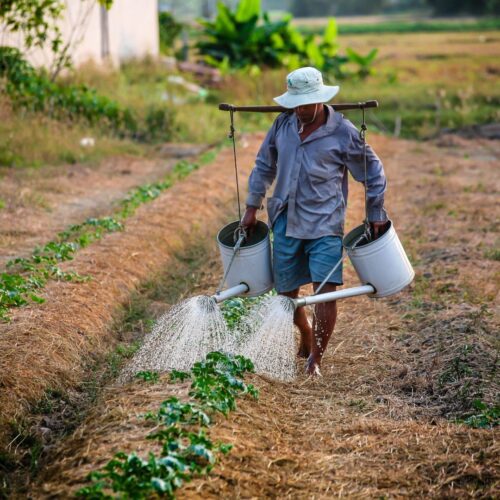
Climate change is one of the greatest challenges facing agriculture today. Rising temperatures, unpredictable rainfall patterns, and extreme weather events such as floods and droughts are significantly affecting crop yields and livestock production.
Farmers are having to adapt to these changes by adopting climate-resilient farming techniques. For example, drought-resistant crops, such as certain varieties of maize and rice, are being developed to withstand water scarcity. Moreover, precision irrigation systems are helping farmers manage water usage more efficiently, reducing the impact of droughts.
In response to climate change, agricultural policies are increasingly focused on mitigating the environmental impact of farming. Governments and organizations worldwide are encouraging farmers to adopt sustainable practices that minimize their carbon footprints, such as reducing methane emissions from livestock and increasing carbon sequestration through soil management.
The Role of Biotechnology in Agriculture
Biotechnology is playing a crucial role in modern agriculture, with innovations such as genetically modified (GM) crops and gene editing. These biotechnological advancements are improving crop yields, pest resistance, and disease resistance, allowing farmers to grow more food on less land.
GM crops, such as Bt cotton and Roundup-ready soybeans, have been designed to resist pests and tolerate herbicides, reducing the need for chemical pesticides. Gene editing technologies like CRISPR allow for the development of crops with desirable traits, such as improved nutritional content or resistance to environmental stressors.
While biotechnology has the potential to greatly improve food security, it is also a topic of controversy. Critics raise concerns about the environmental and health impacts of GM crops, as well as the potential for corporate control over the global food supply. As the debate continues, it is essential for policymakers, scientists, and farmers to ensure that the benefits of biotechnology are maximized while minimizing its risks.

The Future of Agriculture: A Global Perspective
Agriculture is a global industry, and the future of farming will depend on the ability of nations to collaborate on sustainable food production solutions. As food demand continues to rise, international cooperation will be essential to developing agricultural technologies, improving farming practices, and ensuring food security.
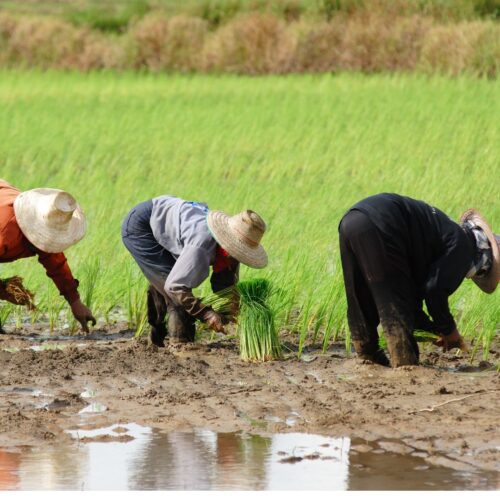
Governments, businesses, and NGOs must work together to promote sustainable agricultural policies, invest in research and development, and provide support to farmers. In particular, developing nations face unique challenges in terms of infrastructure, access to technology, and financial resources. By focusing on agricultural development and education, these countries can improve their farming practices and increase food production, contributing to global food security.
Conclusion
Agriculture is evolving rapidly, and the trends shaping the industry today will determine the future of food production. From precision farming and sustainable practices to technological innovations and urban farming, agriculture is undergoing a transformation that promises to meet the challenges of a growing global population and a changing climate.
Farmers must adapt to these changes by embracing new technologies, sustainable practices, and climate-resilient crops. At the same time, governments, businesses, and consumers must work together to create a more sustainable and equitable agricultural system. By doing so, we can ensure a healthier, more prosperous future for all.
As we continue to address the challenges facing agriculture, it is essential to stay informed and proactive in adopting practices that protect our environment, improve food security, and enhance the livelihoods of farmers worldwide. Agriculture will remain the backbone of human civilization, and its future depends on the innovations and practices we implement today.
FAQs
What is agriculture?
Agriculture is the practice of cultivating soil, growing crops, and raising animals for food, fiber, medicinal plants, and other products used to sustain and enhance human life. It plays a fundamental role in providing the raw materials necessary for survival and economic development.
Why is agriculture important?
Agriculture is essential because it provides the primary source of food and raw materials needed for survival. It supports global economies, provides employment to millions, and maintains ecological balance by supporting biodiversity and soil health.
What are the main types of agriculture?
The main types of agriculture include:
Arable farming: Growing crops like wheat, rice, and vegetables.
Pastoral farming: Raising livestock like cattle, sheep, and goats.
Mixed farming: Combining crop cultivation and livestock rearing.
Horticulture: Growing fruits, vegetables, and flowers.
Agroforestry: Integrating trees and crops for mutual benefits.
How does climate change impact agriculture?
Climate change affects agriculture through altered weather patterns, increased temperatures, droughts, floods, and pest infestations. These disruptions can lead to crop failures, reduced yields, and changes in the types of crops that can be grown in certain regions.
What is precision agriculture?
Precision agriculture refers to the use of advanced technologies such as GPS, drones, and sensors to monitor and manage field variability in crops. This allows farmers to optimize their resources, increase productivity, and reduce environmental impacts like overuse of water and chemicals.
What are sustainable farming practices?
Sustainable farming practices aim to minimize environmental harm while maximizing the long-term health and productivity of farmland. These practices include crop rotation, agroforestry, organic farming, conservation tillage, and the use of renewable energy sources like solar and wind power.
How does biotechnology impact agriculture?
Biotechnology in agriculture includes genetically modified (GM) crops and gene editing, which help enhance crop yields, improve resistance to pests and diseases, and reduce the need for chemical pesticides. However, it also raises concerns about environmental risks and the ethical implications of altering genetic material.
What is urban farming?
Urban farming is the practice of growing food in urban areas, using methods such as rooftop gardens, vertical farming, and hydroponics. It helps increase local food production, reduce transportation costs, and promote sustainable practices in densely populated areas.
What role does technology play in modern agriculture?
Technology has revolutionized agriculture through innovations such as automation, robotics, artificial intelligence, and satellite imaging. These technologies improve efficiency, reduce labor costs, enhance crop management, and increase yields while minimizing environmental impact.
What are the future trends in agriculture?
The future of agriculture will be shaped by trends such as the widespread use of precision farming, sustainable practices, the integration of advanced technology (like AI and drones), climate-resilient crops, urban farming, and international collaboration to ensure global food security. These developments aim to meet the growing demand for food while protecting the environment.
Leave a Reply to 7 Ayurvedic Home Remedies for Acidity: Natural Solutions for Instant Relief Cancel reply