
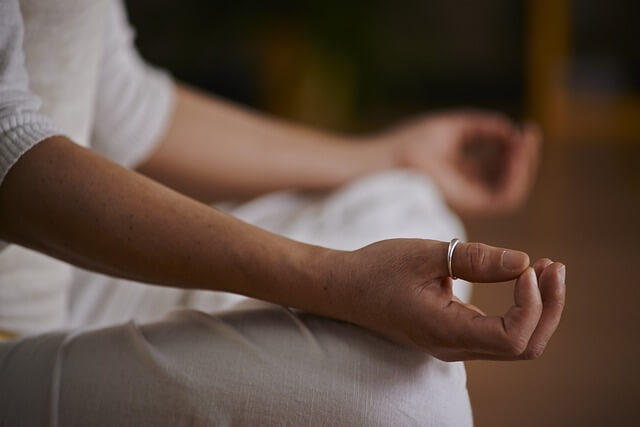
Yoga is an ancient practice that harmonizes the body, mind, and spirit. One of the key aspects of yoga is the various yoga poses that contribute to physical fitness and mental clarity. These poses, known as asanas, have been practiced for centuries to improve overall health, flexibility, strength, and balance. In this blog post, we will explore 10 powerful yoga poses that will enhance your yoga journey and help you experience numerous benefits.

What Are Yoga Poses?
Yoga poses refer to the specific physical positions or postures that you hold during a yoga practice. These poses stretch and strengthen different muscle groups in the body, while also promoting mental relaxation and focus. Yoga poses may vary in difficulty, from beginner-friendly postures to advanced asanas, providing something for practitioners at all levels.
Each yoga pose serves a unique purpose. Some poses are designed to improve flexibility, while others help build strength, balance, or focus. Many yoga poses incorporate breathwork, which is essential to maintaining a steady rhythm and bringing awareness to each movement.
Top 10 Yoga Poses to Enhance Your Practice
Here are 10 yoga poses that will help you unlock the full potential of your yoga practice. These yoga poses can be integrated into any routine, whether you’re a beginner or an advanced practitioner.
Downward Dog (Adho Mukha Svanasana)
Downward Dog is one of the most well-known yoga poses and is often used as a transitional pose in many sequences. It stretches the entire body, strengthening the arms, shoulders, and legs.
How to do it
- Begin on your hands and knees, with your wrists directly under your shoulders and knees under your hips.
- Lift your hips toward the ceiling, forming an inverted “V” shape.
- Press your heels toward the floor and relax your head between your arms.
- Hold the pose for 30 seconds to 1 minute, breathing deeply.
Benefits
- Stretches and strengthens the back, shoulders, hamstrings, and calves.
- Improves circulation and energizes the body.
Warrior I (Virabhadrasana I)
Warrior I is an essential yoga pose for building strength and stability. It targets the legs, arms, and core while enhancing balance and focus.
How to do it
- Stand tall with your feet about three to four feet apart.
- Turn your right foot out 90 degrees and bend your right knee, keeping your left leg straight.
- Raise your arms overhead, keeping your shoulders relaxed.
- Hold for 30 seconds to 1 minute, then switch sides.
Benefits
- Strengthens the legs, hips, and arms.
- Improves focus, balance, and coordination.
Child’s Pose (Balasana)
Child’s Pose is a gentle, restorative yoga pose that helps calm the nervous system and release tension. It is often used to relax and restore after more intense poses.
How to do it
- Begin on your knees with your big toes touching and knees spread apart.
- Lower your hips toward your heels and stretch your arms forward, resting your forehead on the mat.
- Hold for 1 to 3 minutes, breathing deeply.
Benefits
- Relieves tension in the back, neck, and shoulders.
- Promotes relaxation and reduces stress.
Tree Pose (Vrksasana)
Tree Pose is a balancing posture that strengthens the legs, improves stability, and enhances focus. It also stretches the hips and inner thighs.
How to do it
- Stand tall with your feet hip-width apart.
- Shift your weight onto your right leg and place your left foot on the inner thigh or calf (avoid the knee).
- Bring your hands together in front of your chest or raise them overhead.
- Hold for 30 seconds to 1 minute, then switch sides.
Benefits
- Improves balance, stability, and concentration.
- Strengthens the legs, ankles, and core.
Cat-Cow Pose (Marjaryasana-Bitilasana)
The Cat-Cow Pose is a dynamic yoga sequence that stretches the spine and improves flexibility. It’s ideal for warming up the body and relieving back pain.
How to do it
- Start on your hands and knees, with your wrists directly under your shoulders and knees under your hips.
- Inhale as you arch your back and lift your head and tailbone (Cow Pose).
- Exhale as you round your spine, tucking your chin to your chest (Cat Pose).
- Repeat for 1 to 2 minutes.
Benefits
- Improves spinal flexibility.
- Relieves tension in the neck and back.
Bridge Pose (Setu Bandhasana)
Bridge Pose is a backbend that opens up the chest, stretches the spine, and strengthens the glutes and thighs. This yoga pose is excellent for counteracting the effects of sitting for long periods.
How to do it
- Lie on your back with your knees bent and feet flat on the floor, hip-width apart.
- Press your feet into the mat and lift your hips toward the ceiling.
- Clasp your hands underneath your back and hold the position for 30 seconds to 1 minute.
Benefits
- Strengthens the glutes, lower back, and thighs.
- Opens the chest and improves posture.
Cobra Pose (Bhujangasana)
Cobra Pose is a gentle backbend that stretches the chest and spine. It’s an excellent way to open up the front of the body and improve spinal flexibility.
How to do it
- Lie on your stomach with your hands placed under your shoulders and elbows close to your body.
- Press into your palms and lift your chest off the ground, extending your spine.
- Hold the position for 15 to 30 seconds.
Benefits
- Strengthens the spine and opens the chest.
- Stretches the abdomen, shoulders, and chest.

Seated Forward Fold (Paschimottanasana)
Seated Forward Fold is a calming pose that stretches the hamstrings and lower back. It’s often used in yoga as a counterpose after backbends.
How to do it
- Sit with your legs extended straight in front of you, feet flexed.
- Inhale and lengthen your spine, then exhale as you fold forward, reaching for your feet.
- Hold for 30 seconds to 1 minute.
Benefits
- Stretches the hamstrings, lower back, and spine.
- Relieves stress and calms the mind.
Plank Pose (Phalakasana)
Plank Pose is a core-strengthening yoga pose that also works the shoulders, arms, and legs. It is excellent for building endurance and stability.
How to do it
- Start in a push-up position, with your wrists directly under your shoulders.
- Keep your body in a straight line from head to heels.
- Engage your core and hold for 30 seconds to 1 minute.
Benefits
- Strengthens the core, shoulders, and arms.
- Improves overall stability and endurance.
Legs Up the Wall Pose (Viparita Karani)
Legs Up the Wall is a restorative yoga pose that promotes relaxation and aids in recovery. It’s a great pose to do at the end of your practice or after a long day.
How to do it
- Sit next to a wall and lie on your back, extending your legs up the wall.
- Relax your arms at your sides, palms facing up.
- Stay in this position for 5 to 10 minutes.
Benefits
- Reduces stress and anxiety.
- Improves circulation and reduces leg fatigue.
How to Include Yoga Poses in Your Routine
To fully benefit from yoga poses, it’s important to incorporate them into a well-rounded practice. Here are some tips to create an effective yoga routine:
- Start with a Warm-Up: Begin your practice with gentle stretches like Cat-Cow or Child’s Pose to prepare your body.
- Focus on Breath: Maintain steady, deep breaths throughout each pose to stay present and calm.
- Build Strength Gradually: Focus on holding each pose for an appropriate amount of time and challenge yourself to increase the duration as you build strength and flexibility.
- End with a Cool-Down: Finish your practice with restorative poses like Legs Up the Wall or Seated Forward Fold to relax your body and mind.

Conclusion
Incorporating these yoga poses into your practice will help you enhance flexibility, strength, balance, and focus. Yoga is a holistic approach to health and well-being, and with consistent practice, you will experience the many benefits that these poses offer. Remember, yoga is a personal journey, and each yoga pose serves to enhance your overall physical and mental health. Whether you’re new to yoga or a seasoned practitioner, these 10 yoga poses will support you in reaching your fitness goals and achieving inner peace.
FAQs
1. What are yoga poses?
Yoga poses, also known as asanas, are specific physical postures in yoga practice that stretch, strengthen, and balance different parts of the body. These poses also promote mental focus, relaxation, and overall well-being.
2. How often should I practice yoga poses?
For optimal results, practicing yoga poses 3-5 times a week is ideal. However, beginners can start with 2-3 sessions per week and gradually increase the frequency. Consistency is key for gaining flexibility, strength, and balance.
3. Are yoga poses suitable for beginners?
Yes, many yoga poses are beginner-friendly, such as Downward Dog, Child’s Pose, and Seated Forward Fold. It’s important to start slow, listen to your body, and gradually work your way up to more advanced poses.
4. Can yoga poses help with flexibility?
Yes, yoga poses are excellent for improving flexibility. Poses like Forward Fold, Cobra Pose, and Downward Dog stretch various muscle groups, helping to lengthen and loosen the body over time.
5. Do I need any special equipment for yoga poses?
All you need is a yoga mat for comfort and stability during your practice. You can also use props like blocks, straps, and bolsters for added support, especially when you’re starting or trying to deepen your stretches.
6. How long should I hold each yoga pose?
The length of time you hold each yoga pose depends on your skill level and the type of pose. For beginners, 15-30 seconds is sufficient, while more advanced practitioners may hold poses for 1-2 minutes or longer to build endurance.
7. Can yoga poses help with stress relief?
Yes, yoga poses are highly effective for stress relief. Many yoga poses, such as Child’s Pose, Legs Up the Wall, and Seated Forward Fold, promote relaxation and help to calm the nervous system, reducing overall stress and anxiety.
8. What if I can’t do a specific yoga pose?
It’s okay if you can’t do a particular yoga pose perfectly or at all in the beginning. Yoga is about progress, not perfection. You can modify poses or use props to make them more accessible. Over time, with regular practice, you’ll improve.
9. How can yoga poses improve my posture?
Certain yoga poses, like the Cobra Pose, Bridge Pose, and Warrior I, strengthen the back and core muscles, which are essential for good posture. Regular practice of these poses can help you stand taller and reduce slouching.
10. What are the benefits of practicing yoga poses daily?
Practicing yoga poses daily can lead to improved flexibility, strength, balance, and mental clarity. It also promotes relaxation, reduces stress, and boosts overall health and well-being. Consistency in your practice will help you see significant improvements in both body and mind.
Leave a Reply