
Winter brings a magical charm, transforming the world into a snowy wonderland. The cold weather encourages families to spend quality time indoors, creating memorable experiences through various crafts and activities. This blog explores winter crafts and activities for children that ignite creativity and provide endless entertainment. Here’s a list of ten engaging ideas to keep your little ones busy and inspired during the chilly months.
Snowflake Art
Materials Needed:
- White paper
- Scissors
- Glitter
- Glue
- String
How to Create
Start with a square piece of white paper. Fold it diagonally in half, then fold it again diagonally. Next, fold it in half horizontally. Use scissors to cut shapes along the edges, creating a unique snowflake design. Unfold the paper to reveal beautiful snowflakes. For an extra sparkle, add glue and sprinkle glitter onto the snowflakes. Hang them from the ceiling with strings for a wintery decoration.
Benefits
This activity promotes fine motor skills and introduces geometric concepts through folding and cutting.
Winter Nature Walk
What You Need:
- Warm clothing
- A notebook
- Crayons or colored pencils
How to Enjoy:
Dress warmly and take a nature walk in your neighborhood or a nearby park. Encourage children to observe winter scenery, like bare trees, animal tracks, and snow-covered plants. Upon returning home, have them draw their favorite winter scene in a notebook. This craft fosters observation skills and appreciation for nature.
Benefits
Children develop a connection to their environment while exercising creativity in their drawings.

DIY Bird Feeders
Materials Needed:
- Pinecones
- Peanut butter
- Birdseed
- String
How to Create
Spread peanut butter on pinecones, then roll them in birdseed. Attach a string to the top and hang the feeders outside. This simple yet effective activity attracts local birds during the winter months, teaching children about wildlife.
Benefits
Kids learn about caring for animals and the importance of biodiversity.
Snowman Bowling
Materials Needed:
- White plastic bottles
- A ball (or any round object)
- White paint
- Markers
How to Create
Paint the plastic bottles white to resemble snowmen. Use markers to draw faces and buttons. Set them up in a triangular formation and let kids roll the ball to knock them down. This activity encourages physical movement and friendly competition.
Benefits
Children enhance their hand-eye coordination while enjoying active play.
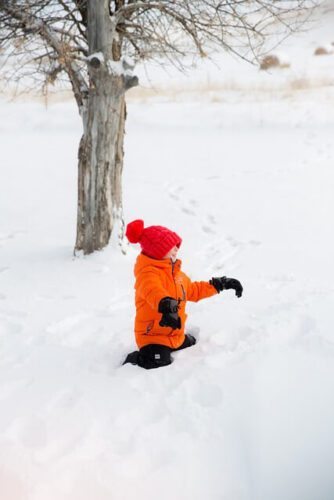
Winter-Themed Sensory Bin
Materials Needed
- A large container
- White rice or cotton balls
- Winter-themed toys (snowmen, penguins, etc.)
- Small shovels or scoops
How to Create
Fill a large container with white rice or cotton balls to simulate snow. Add winter-themed toys and tools for scooping. Encourage children to explore the sensory bin, fostering imaginative play.
Benefits
Sensory bins enhance tactile experiences and encourage imaginative scenarios.
Holiday Card Making
Materials Needed
- Cardstock or construction paper
- Markers, stickers, and stamps
- Envelopes
How to Create
Set up a card-making station with various supplies. Encourage children to design and create holiday cards for family and friends. This activity promotes creativity while spreading joy during the winter season.
Benefits
Children express emotions and learn the value of giving.
Frosty the Snowman Craft
Materials Needed
- White balloons
- Water
- Black and orange paper
- Ribbon

How to Create
Fill a white balloon with water and tie it off. This will become the snowman’s body. Use black and orange paper to cut out eyes, a nose, and buttons. Attach these features to the water balloon, and add a ribbon for a scarf. This playful craft allows children to explore different textures and shapes.
Benefits
This craft fosters creativity and fine motor skills through cutting and assembling.
Winter Story Time
What You Need:
- A selection of winter-themed books
- Cozy blankets
- Hot chocolate
How to Enjoy
Create a cozy reading nook with blankets and pillows. Invite children to select their favorite winter-themed books, such as “The Snowy Day” by Ezra Jack Keats. Enjoy reading together while sipping hot chocolate. This activity cultivates a love for reading while enhancing comprehension skills.
Benefits
Storytime strengthens language development and family bonds.
Hot Chocolate Science Experiment
Materials Needed:
- Hot chocolate mix
- Water or milk
- Marshmallows
- Cups
How to Create
Prepare hot chocolate according to the package instructions. Allow children to observe the transformation of the powder into a warm drink. Add marshmallows for a fun twist. Discuss how heat changes the state of matter, blending science and enjoyment.
Benefits
Kids learn scientific concepts through a delicious experience.
Winter Collage
Materials Needed:
- Magazines or printed images
- Scissors
- Glue
- Construction paper
How to Create
Gather winter-themed magazines or print images of winter scenes, animals, and activities. Children can cut out their favorite pictures and create a collage on construction paper. This craft encourages creativity and artistic expression.
Benefits
Collage-making enhances visual-spatial skills and promotes creative thinking.
Conclusion
Engaging in winter crafts and activities for children not only keeps them entertained but also fosters creativity, learning, and connection to nature. From making snowflakes to enjoying nature walks, these activities encourage exploration and imagination during the winter months. Embrace the joy of winter with these delightful crafts, creating lasting memories with your little ones. Let the winter magic inspire you as you embark on these fun adventures!
FAQs
1. What age group are these winter crafts and activities suitable for?
These winter crafts and activities are primarily designed for children aged 3 to 12. However, many can be adapted for older children or simplified for younger ones, depending on their skill level.
2. Do I need special materials for these activities?
Most of the activities use common household items or easily accessible materials, such as paper, glue, and basic art supplies. Check your pantry or craft supplies before purchasing anything new.
3. How can I adapt these crafts for different skill levels?
You can simplify tasks for younger children by reducing the complexity of the craft or providing more assistance. For older children, encourage them to add their own creative twists or even combine several activities into one project.
4. Are these activities safe for young children?
Yes, all suggested crafts and activities are safe for children when supervised. For activities that involve scissors or small parts, ensure adult supervision and assistance.
5. How can I incorporate educational aspects into these activities?
Many activities naturally include learning opportunities. For example, nature walks encourage observation and appreciation of the environment, while card-making fosters writing and artistic skills. You can discuss the science behind hot chocolate and explore the concepts of temperature and state changes.
6. What if I live in a warmer climate where it doesn’t snow?
These winter crafts and activities can still be enjoyed regardless of snow. Focus on the themes of winter, using imagery and symbols associated with the season. Activities like nature walks can still highlight the beauty of winter landscapes in warmer climates.
7. Can these activities be done indoors?
Yes! Many of the crafts and activities can be easily done indoors. Activities like making collages, card making, and creating sensory bins are perfect for cozy indoor settings.
8. How long do these activities typically take?
Most activities can be completed in 30 minutes to 2 hours, depending on the complexity and age of the children. You can choose to extend activities for more in-depth exploration.
9. Are there any additional resources for winter crafts and activities?
Many websites and books offer a variety of winter-themed crafts and activities. Consider exploring Pinterest or children’s craft books for inspiration beyond the ideas provided.
10. How can I encourage my child to engage in these activities?
Make these activities a part of family time. Set aside dedicated hours for crafting and encourage open-ended creativity. Praise their efforts and creativity to build confidence and enthusiasm for future projects.
Leave a Reply