

Introduction
Urban gardening is transforming small spaces into green oases, bringing numerous advantages to city dwellers. Whether it is a balcony, rooftop, or a tiny backyard, urban gardening maximizes available space to create a thriving natural environment. This blog highlights the benefits of urban gardening for small spaces and why more people are adopting this sustainable lifestyle.

1. Maximizing Limited Space
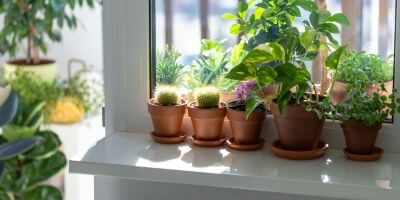
Urban gardening utilizes innovative techniques like vertical gardening, container gardening, and hydroponics to make the most of small spaces. Even a compact balcony or windowsill becomes a flourishing mini-garden with the right approach.
Positive Aspect
- Efficient space utilization
- Ideal for apartment dwellers
Negative Aspect
- Requires creativity and planning
2. Access to Fresh and Organic Produce
Growing fruits, vegetables, and herbs at home ensures access to fresh, chemical-free produce. This contributes to a healthier diet while reducing dependence on store-bought food.
Positive Aspect
- Ensures pesticide-free food
- Saves money on groceries
Negative Aspect
- Initial setup costs for soil, seeds, and containers
3. Improved Air Quality
Urban gardening improves air quality by filtering pollutants and producing oxygen. Plants naturally remove toxins from the air, creating a healthier living environment.
Positive Aspect
- Reduces airborne toxins
- Enhances oxygen levels
Negative Aspect
- Some plants require regular maintenance to thrive
4. Enhancing Mental Well-Being
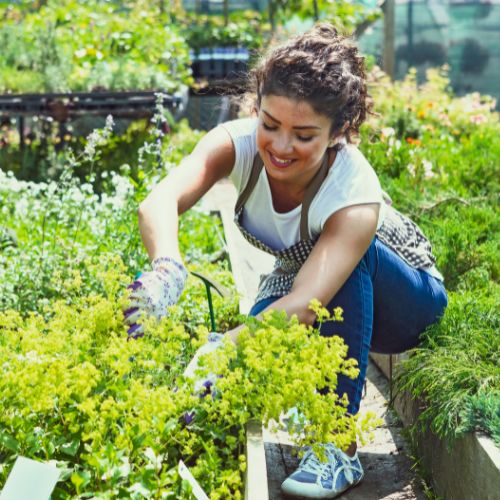
Gardening is a therapeutic activity that reduces stress and promotes relaxation. Nurturing plants fosters mindfulness and emotional balance, making it an excellent way to unwind after a hectic day.
Positive Aspect
- Reduces stress and anxiety
- Encourages mindfulness
Negative Aspect
- Requires dedication and patience
5. Sustainability and Eco-Friendliness
Urban gardening promotes sustainability by reducing carbon footprints. Homegrown food eliminates packaging waste and transportation emissions, contributing to environmental conservation.
Positive Aspect
- Reduces waste and pollution
- Encourages self-sufficiency
Negative Aspect
- Requires water and sunlight management
6. Aesthetic Appeal and Space Enhancement
Adding greenery enhances the beauty of urban spaces. Rooftop gardens, balcony planters, and indoor plants bring nature into city life, making surroundings more inviting.
Positive Aspect
- Beautifies the space
- Increases property value
Negative Aspect
- Needs regular upkeep
7. Educational Opportunities
Urban gardening provides hands-on learning for children and adults. It teaches essential life skills like responsibility, patience, and environmental awareness.
Positive Aspect
- Ideal for family activities
- Enhances knowledge of plant growth
Negative Aspect
- Requires time and effort to maintain
8. Encouraging Community Engagement
Many urban areas promote community gardening, allowing residents to bond over shared green spaces. This fosters social interactions, strengthening local communities.
Positive Aspect
- Builds community connections
- Enhances teamwork skills
Negative Aspect
- Coordination challenges in shared spaces
9. Homegrown Medicinal and Aromatic Plants
Urban gardening allows for growing medicinal herbs like basil, mint, and aloe vera, offering natural remedies for common ailments. Aromatic plants create a refreshing ambiance.
Positive Aspect
- Provides natural health remedies
- Adds pleasant fragrances
Negative Aspect
- Some herbs require special care
10. Increased Biodiversity in Urban Settings
Urban gardens attract pollinators like bees and butterflies, contributing to biodiversity. More greenery in cities improves ecosystems, benefiting all living organisms.
Positive Aspect
- Supports local wildlife
- Promotes ecological balance
Negative Aspect
- Risk of attracting pests if not managed well

Conclusion
The benefits of urban gardening for small spaces make it a valuable practice for city residents. It transforms limited areas into lush green spaces, improving air quality, mental well-being, and sustainability. While challenges exist, proper planning and care ensure a thriving urban garden. Whether for aesthetics, food, or environmental conservation, urban gardening is a rewarding journey toward a greener and healthier lifestyle.
FAQs
1. Can urban gardening be done indoors?
Yes, with the right lighting and plant choices, urban gardening works well indoors.
2. What plants are best for small urban gardens?
Herbs, leafy greens, cherry tomatoes, and succulents thrive in small spaces.
3. How much time is needed for urban gardening?
It depends on the garden size, but even 10–15 minutes a day is sufficient for maintenance.
4. Do urban gardens require special soil?
Quality potting soil or compost-rich soil is ideal for healthy plant growth.
5. How can I start an urban garden with no experience?
Start small with easy-to-grow herbs or vegetables, and gradually expand.
6. What are the best vertical gardening methods?
Hanging planters, wall-mounted pots, and trellises are excellent for vertical gardening.
7. Can urban gardening reduce grocery expenses?
Yes, homegrown produce lowers grocery bills and offers healthier food options.
8. What challenges do urban gardeners face?
Limited space, sunlight access, and maintenance are common challenges.
9. How to prevent pests in an urban garden?
Use natural repellents, companion planting, and regular plant inspection.
10. Is urban gardening beneficial for the environment?
Yes, it reduces waste, improves air quality, and supports biodiversity.
Leave a Reply