
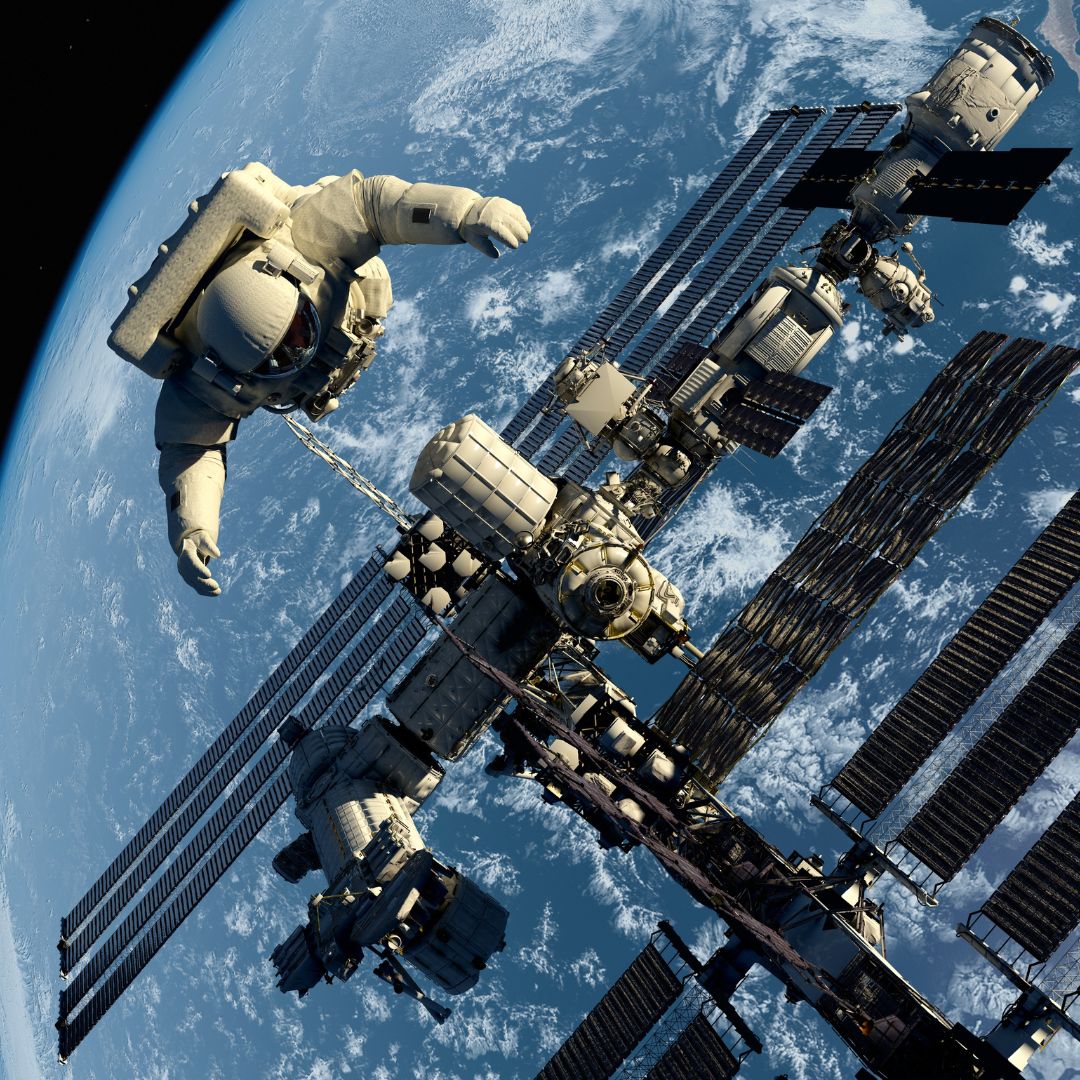
Space exploration has always captivated the human imagination, inspiring generations to look beyond our planet. From the first human in space to the latest rover on Mars, the journey of discovering the universe has been a remarkable adventure. This blog post will explore various aspects of space exploration, highlighting its importance, milestones, and future prospects.
The Beginning of Space Exploration
The Space Race Era
The journey of space exploration began in the mid-20th century during the Cold War, a period marked by fierce competition between the United States and the Soviet Union. The launch of Sputnik 1 by the Soviet Union in 1957 is often regarded as the catalyst for the modern era of space exploration. This historic event ignited a series of developments in space science and technology, leading to numerous significant achievements that continue to shape our understanding of the universe today.
Key Milestones in Space Exploration
- First Human in Space: Yuri Gagarin became the first human to journey into space aboard Vostok 1 on April 12, 1961. His historic flight lasted approximately 108 minutes and paved the way for human space travel.
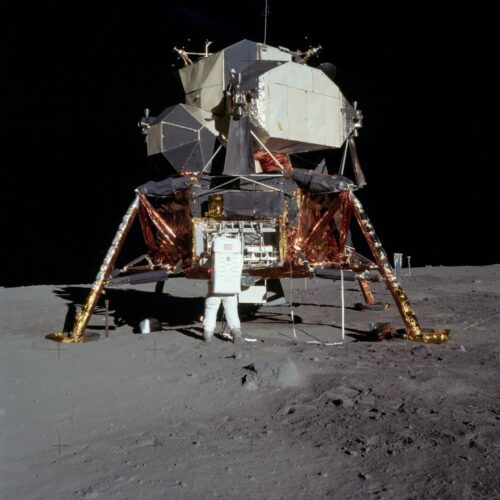
- Moon Landing: On July 20, 1969, the United States successfully landed Apollo 11 on the Moon. Neil Armstrong and Buzz Aldrin became the first and second humans to walk on the lunar surface, forever changing our understanding of space exploration.
- Space Shuttle Program: Launched in 1981, NASA’s Space Shuttle program enabled numerous missions to deploy satellites, service the Hubble Space Telescope, and construct the International Space Station (ISS).
- Mars Rovers: The exploration of Mars took a significant leap with the deployment of rovers such as Spirit, Opportunity, Curiosity, and Perseverance. These robotic explorers have provided valuable insights into the Martian environment and the possibility of past life.
The Importance of Space Exploration
Advancements in Technology
Space exploration has driven technological innovation, leading to advancements that benefit everyday life. Technologies developed for space missions have resulted in inventions such as satellite communication, GPS, and various materials used in consumer products.

Understanding the Universe
Exploring space allows scientists to understand the universe’s origins, structure, and potential for life beyond Earth. Discoveries made through telescopes, satellites, and rovers have revealed fascinating information about celestial bodies, cosmic phenomena, and the fundamental laws of physics.
Inspiring Future Generations
The excitement surrounding space exploration inspires young people to pursue careers in science, technology, engineering, and mathematics (STEM). By fostering curiosity and creativity, space exploration encourages innovation and problem-solving, essential skills for addressing global challenges.
Future of Space Exploration
International Collaborations
The future of space exploration will involve increased international collaboration. Organizations like NASA, ESA (European Space Agency), and private companies such as SpaceX and Blue Origin are working together to expand human presence in space. Collaborative efforts will facilitate joint missions, share resources, and pool knowledge.
Mars Colonization
One of the most ambitious goals of space exploration is the colonization of Mars. Missions like SpaceX’s Starship aim to transport humans to the Red Planet, establishing a sustainable human settlement. This endeavor requires extensive research on life support systems, radiation protection, and habitat construction.
The Search for Extraterrestrial Life
The quest for extraterrestrial life remains a primary focus of space exploration. Missions to icy moons like Europa and Enceladus, as well as exoplanet surveys, aim to uncover signs of life beyond Earth. The discovery of even microbial life would revolutionize our understanding of biology and the universe.
Challenges in Space Exploration
Funding and Resources
Space exploration demands significant financial investment, often competing with pressing terrestrial needs. Governments and private sectors must allocate resources effectively to ensure sustainable progress in space missions.
Technological Hurdles
Developing reliable technologies for space exploration presents numerous challenges. Engineers and scientists must address issues like propulsion systems, life support, and radiation exposure to create safe and efficient missions.
Environmental Concerns
As space exploration expands, it is essential to consider the environmental impact. Space debris poses risks to satellites and future missions. Developing strategies for debris mitigation and sustainable practices will be crucial as humanity ventures further into space.

Conclusion
Human ingenuity and curiosity have always driven our quest to explore the cosmos. The journey from the first satellite to interplanetary rovers illustrates our relentless pursuit of knowledge and understanding. As we look to the future, the potential for discovery remains limitless. The lessons learned from exploring outer space will not only enhance our understanding of the universe but also improve life on Earth. This fascination with the cosmos continues to inspire generations, reminding us of our place in the universe and the infinite possibilities that await.
By recognizing the importance of these efforts, embracing international collaborations, and addressing challenges head-on, humanity can continue its extraordinary journey among the stars. The future is bright, and as we venture further into the unknown, we remain hopeful for what discoveries lie ahead in our quest to unlock the mysteries of the universe.
FAQs
1. What is space exploration?
Space exploration is the investigation of outer space through the use of spacecraft, satellites, telescopes, and other technologies to gather data about celestial bodies, phenomena, and the universe as a whole.
2. Why is space exploration important?
Space exploration is crucial for advancing scientific knowledge, driving technological innovations, understanding our place in the universe, and inspiring future generations to pursue careers in science and technology.
3. What are some significant milestones in space exploration history?
Key milestones include:
- The launch of Sputnik 1 by the Soviet Union in 1957.
- Yuri Gagarin becoming the first human in space in 1961.
- The Apollo 11 Moon landing in 1969.
- The launch of the Hubble Space Telescope in 1990.
- The Mars rover missions, including Curiosity and Perseverance.
4. How do scientists search for extraterrestrial life?
Scientists search for extraterrestrial life by studying planets and moons with conditions that may support life. This includes analyzing surface samples, studying atmospheres for biosignatures, and using telescopes to detect potentially habitable exoplanets.
5. What are some of the challenges of space exploration?
Challenges include high costs, technological limitations, health risks for astronauts (such as radiation exposure), and the need for sustainable practices to address space debris and environmental concerns.
6. What role do private companies play in space exploration?
Private companies like SpaceX, Blue Origin, and others are increasingly involved in space exploration, providing innovative technologies, launching satellites, and developing spacecraft for crewed missions to destinations like the Moon and Mars.
7. How does space exploration benefit life on Earth?
Technological advancements from space exploration often lead to innovations in various fields, including telecommunications, medicine, environmental monitoring, and materials science. Satellite technology, for example, plays a vital role in weather forecasting and disaster management.
8. What are some future missions planned for space exploration?
Upcoming missions include NASA’s Artemis program to return humans to the Moon, the Mars Sample Return mission, and various missions targeting the exploration of asteroids, comets, and distant exoplanets.
9. What is the International Space Station (ISS)?
The ISS is a habitable space station orbiting Earth, serving as a microgravity laboratory for scientific research and international collaboration. It has been continuously inhabited since 2000 and provides insights into long-duration space travel.
10. How can I get involved in space exploration?
Individuals can get involved in space exploration through education and careers in science, technology, engineering, and mathematics (STEM). Participating in citizen science projects, attending public lectures, and following space agencies on social media are also great ways to stay informed and engaged.
Leave a Reply