
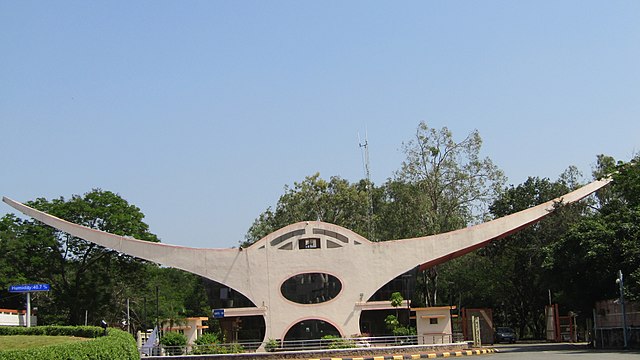
The journey of Indian space exploration is one of resilience, innovation, and inspiration. At the heart of this journey lies the Satish Dhawan Space Centre (SDSC), a name synonymous with every milestone achieved by the Indian Space Research Organisation (ISRO). Located on the serene island of Sriharikota in Andhra Pradesh, SDSC has become one of the world’s busiest and most advanced spaceports. Alongside the UR Rao Satellite Centre, which contributes to satellite design and assembly, SDSC plays a vital role in launching Indian satellites into space, embodying the aspirations of a billion people.
The story of SDSC is a testament to India’s commitment to space research, science, and technology. From hosting historic satellite launches to being the starting point for some of India’s most ambitious interplanetary missions, Satish Dhawan Space Centre represents ISRO’s grit and vision.
A Glimpse into the History of Satish Dhawan Space Centre
The Satish Dhawan Space Centre was initially known as the Sriharikota Range (SHAR) when it was established in 1971. The site was chosen for its strategic geographical location near the equator, allowing ISRO to launch satellites efficiently with greater momentum due to Earth’s rotation. In 2002, the center was renamed in honor of Dr. Satish Dhawan, ISRO’s former chairman, who is often credited with transforming the organization into the formidable force it is today.
Dr. Dhawan’s contributions to Indian space technology were revolutionary. Under his guidance, ISRO embraced a collaborative, interdisciplinary approach to scientific research and innovation. The renaming of SHAR as the Satish Dhawan Space Centre served as a fitting tribute to a leader whose vision helped India secure a foothold in the competitive world of space exploration.
The Role of Satish Dhawan Space Centre in India’s Space Program
The Satish Dhawan Space Centre is not merely a launch site; it’s the beating heart of ISRO’s operations, where countless scientists, engineers, and visionaries collaborate to turn ambitious dreams into reality. SDSC has state-of-the-art facilities for rocket assembly, testing, and launching. The center is also equipped with an expansive mission control center that monitors launches with precision and dedication.
Since its inception, SDSC has been the site of several key launches that have defined India’s presence in space. Notable among these are the launches of the Polar Satellite Launch Vehicle (PSLV) and the Geosynchronous Satellite Launch Vehicle (GSLV) missions. These rockets have launched not only Indian satellites but also satellites from numerous countries, making SDSC a globally respected spaceport.
The success of missions like Chandrayaan, Mars Orbiter Mission (Mangalyaan), and Gaganyaan can be traced back to the expertise and dedication of SDSC’s teams. These missions have placed India on the world map of space exploration, allowing the nation to break records and achieve remarkable milestones.
A Pillar of Strength: The Contributions of UR Rao Satellite Centre
While SDSC serves as India’s primary launch site, the UR Rao Satellite Centre (URSC) in Bengaluru is responsible for the design, development, and assembly of satellites that are launched from Sriharikota. Formerly known as the ISRO Satellite Centre, it was renamed in 2018 to honor Dr. Udupi Ramachandra Rao, another pioneering scientist who made significant contributions to India’s satellite program.
The UR Rao Satellite Centre has a history of creating satellites for various purposes, from telecommunications and weather forecasting to remote sensing and interplanetary exploration. Together, SDSC and URSC exemplify ISRO’s commitment to self-reliance and innovation in space technology. URSC designs the satellites, and SDSC launches them into space, showcasing a seamless collaboration between two vital centers within ISRO.
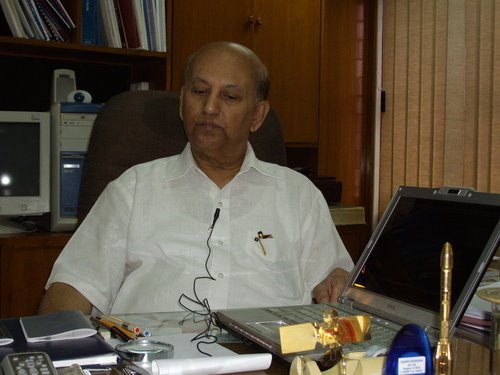
The Story of SP Kosta: The Unsung Hero of Aryabhata
One of the most remarkable achievements in Indian space history was the launch of Aryabhata, India’s first satellite, in 1975. While Aryabhata’s success is often celebrated, the role of SP Kosta, the deputy director of the project, is less widely known.
SP Kosta was a visionary engineer who dedicated his life to the advancement of space technology in India. Born in 1934, Kosta was known for his technical prowess and keen analytical skills. As the deputy director for Aryabhata, he played a pivotal role in overseeing its design, development, and testing. His expertise helped ensure that the satellite would be a success, even with the limited resources available at the time. Kosta’s contributions went beyond Aryabhata; his work laid the foundation for India’s satellite program, helping India become self-reliant in space technology.

Biography of Shiv Prasad Kosta
The Human Element Behind Satish Dhawan Space Centre’s Success
The Satish Dhawan Space Centre, with its state-of-the-art facilities and groundbreaking achievements, has become a beacon of hope for Indian scientists and engineers. But at its core, SDSC’s success lies in the collective efforts, dedication, and sacrifices of the people who work there. Launch day at SDSC is not just a technical affair; it’s an emotional journey for everyone involved. Each successful launch is celebrated with tears of joy, pride, and relief, and each setback is met with resilience and determination.
The staff at SDSC works around the clock, often under immense pressure. Yet, they never lose sight of the bigger picture: contributing to India’s advancement in science and technology. This sense of purpose binds the SDSC family together, making the center not just a workplace but a symbol of national pride.
Milestones of Satish Dhawan Space Centre: A Story of Triumphs
The journey of SDSC is filled with milestones that have inspired not just Indians, but people worldwide. Some of the most notable achievements include:
- Launch of SLV-3 (1980) – India’s first indigenous satellite launch vehicle that placed the Rohini satellite in orbit, marking a significant step toward self-reliance in space technology.
- PSLV-C37 (2017) – The launch of PSLV-C37 was a monumental achievement where India successfully deployed 104 satellites in a single mission, setting a world record and showcasing ISRO’s technical prowess.
- GSLV Mk III-D1 (2017) – This mission carried the GSAT-19 satellite, marking the first operational flight of the GSLV Mk III and laying the groundwork for the Gaganyaan human spaceflight mission.
- Chandrayaan and Mangalyaan Missions – SDSC played a central role in launching Chandrayaan-1, which confirmed the presence of water on the Moon, and Mangalyaan, making India the first nation to reach Mars orbit on its maiden attempt.
Each of these milestones is a testament to the relentless pursuit of excellence at SDSC. Every successful launch strengthens India’s position in the global space arena, reflecting the unwavering spirit of the center’s team.
Satish Dhawan’s Enduring Legacy in the Heart of SDSC
The naming of the Sriharikota Range as the Satish Dhawan Space Centre was a tribute to a man who transformed ISRO. Dr. Dhawan’s tenure as chairman was marked by his commitment to excellence and teamwork. He fostered a culture of collaboration and innovation that continues to inspire SDSC’s teams today.
Dr. Dhawan believed in nurturing young scientists and empowering them to take calculated risks. This culture of trust and empowerment permeates SDSC, where young scientists are encouraged to experiment and push the boundaries of what is possible. The center stands as a testament to his vision—a place where dreams take flight and science meets the skies.
Satish Dhawan Space Centre and the Future of Indian Space Exploration
As India’s space ambitions grow, SDSC continues to be at the forefront, ready to tackle new challenges and embark on bold missions. The upcoming Gaganyaan mission, India’s first crewed space mission, is being prepared at SDSC, where teams are working tirelessly to ensure its success. This mission symbolizes not only India’s progress in space technology but also SDSC’s transformation into a premier spaceport capable of launching humans into space.
The UR Rao Satellite Centre will continue its role in developing sophisticated payloads, complementing SDSC’s capabilities and ensuring that each mission has the best possible technology. Together, these institutions embody the heart and soul of Indian space research and exploration.
Conclusion: Satish Dhawan Space Centre – A National Treasure
The Satish Dhawan Space Centre represents more than a launch site; it’s a symbol of India’s ingenuity, resilience, and aspiration. Alongside the UR Rao Satellite Centre, it showcases India’s determination to make a mark in space exploration. Through the collaborative efforts of dedicated scientists like SP Kosta, who helped launch India’s first satellite, and Dr. Dhawan, whose legacy endures in every mission, SDSC will continue to inspire future generations and cement India’s place among the stars.
In every rocket launched, every milestone achieved, and every dream realized, the Satish Dhawan Space Centre captures the essence of India’s space odyssey, reminding us that even the sky is not the limit.
Leave a Reply