
Introduction
Outdoor gardening is not just a hobby; it’s a lifestyle choice that brings nature closer to your doorstep. Whether you’re planting vibrant flowers, lush green vegetables, or fragrant herbs, outdoor gardening enriches your life with color, freshness, and tranquility. In this guide, you’ll discover the essential techniques and practices that make outdoor gardening both effective and enjoyable.
This comprehensive blog on Outdoor gardening will cover step-by-step strategies, smart maintenance tips, seasonal care, and practical advice for beginners and experienced gardeners alike. With at least 15 uses of the keyword Outdoor gardening, you’ll be fully immersed in this green journey.
1. What is Outdoor Gardening?
Outdoor gardening involves growing plants, vegetables, herbs, or flowers in an open space like a backyard, terrace, balcony, or community garden. Unlike indoor gardening, this method relies on natural sunlight and weather conditions to nourish the plants.
Whether you’re using containers, raised beds, or open soil plots, outdoor gardening is a versatile and rewarding pursuit.
2. Benefits of Outdoor Gardening
Engaging in Outdoor gardening has multiple benefits:
- Physical Health: Digging, planting, and weeding are good exercises.
- Mental Well-being: Gardening reduces stress and boosts mood.
- Food Supply: Grow your own organic vegetables and herbs.
- Environment: It supports biodiversity and improves air quality.
- Community Engagement: Shared gardens can strengthen neighborhood ties.
3. Tools You Need for Outdoor Gardening
Here’s a list of essential tools for your Outdoor gardening setup:
- Hand Trowel: For digging small holes.
- Garden Fork: To loosen, lift, and turn soil.
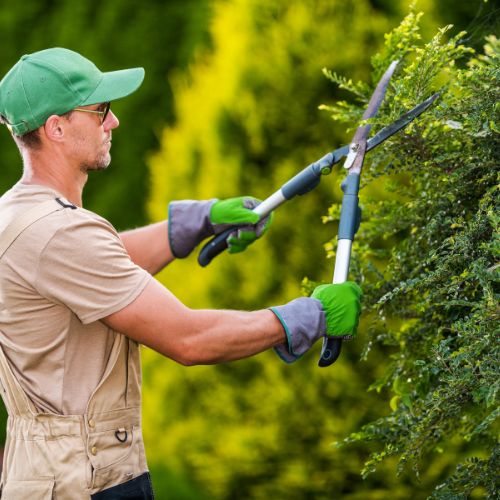
- Pruning Shears: To trim and shape plants.
- Watering Can: To keep your plants hydrated.
- Rake and Hoe: For leveling and removing weeds.
Investing in good-quality tools makes outdoor gardening more efficient and less strenuous.

4. Choosing the Right Location
Location plays a vital role in Outdoor gardening. Here’s what to look for:
- Sunlight: Most vegetables and flowers need 6-8 hours of direct sunlight.
- Drainage: Ensure the soil drains well to avoid waterlogging.
- Wind Protection: Too much wind can damage plants.
- Accessibility: Choose a spot that’s easy to water and maintain regularly.
5. Best Plants for Outdoor Gardening
Different plants thrive in different conditions. Some excellent options for Outdoor gardening include:
Flowers
- Marigold
- Petunia
- Zinnia
Vegetables
- Tomatoes
- Spinach
- Carrots
Herbs
- Basil
- Mint
- Rosemary
Select plants based on your climate and soil type for best results.
6. Seasonal Care in Outdoor Gardening
To succeed in Outdoor gardening, you must tailor your approach to each season.
Spring
- Start seeds indoors early.
- Clean up dead plants and debris.
- Apply compost to enrich the soil.
Summer
- Water regularly.
- Use mulch to retain moisture.
- Harvest frequently.
Autumn
- Prune and compost fallen leaves.
- Plant bulbs for spring bloom.
Winter
- Protect plants with covers or cold frames.
- Avoid overwatering dormant plants.

7. Pest Management and Protection
Pests are a common issue in Outdoor gardening. Use these strategies:
- Neem Oil Spray: Organic and effective for aphids and mites.
- Companion Planting: Grow basil near tomatoes to deter insects.
- Manual Removal: Handpick large pests like caterpillars.
- Netting and Fencing: Protect crops from birds and animals.
Stay observant and act quickly when you notice signs of pest damage.
8. Eco-Friendly Outdoor Gardening Practices
Go green with your Outdoor gardening by incorporating sustainable practices:
- Composting: Recycle kitchen waste into nutrient-rich soil.
- Rainwater Harvesting: Collect rainwater for irrigation.
- Organic Fertilizers: Avoid chemical inputs and enrich naturally.
- Native Plants: Use species that adapt well to local climates.
Eco-friendly methods not only preserve the environment but also improve plant health.
9. Common Mistakes to Avoid
Here are a few errors to steer clear of in Outdoor gardening:
- Overwatering: Leads to root rot.
- Wrong Plant Choices: Plants must suit your climate.
- Ignoring Soil Health: Test and amend soil regularly.
- Crowded Planting: Reduces airflow and increases disease risk.
- Skipping Mulching: Causes moisture loss and weed growth.
Learning from mistakes refines your gardening skills over time.

Conclusion
Outdoor gardening offers unmatched satisfaction and value. From growing your own food to connecting with nature, the benefits are endless. All you need is a little planning, the right tools, and a willingness to nurture. With seasonal awareness and eco-friendly practices, your garden will flourish.
Keep experimenting, learning, and most importantly—enjoy the process. Outdoor gardening is not just about plants; it’s about growing with them.
10 FAQs: Outdoor Gardening
1. How often should I water my outdoor garden?
Most gardens need watering every 1-2 days during summer. Check soil moisture with your finger to decide.
2. What’s the best time of day for outdoor gardening?
Early morning or late afternoon avoids the harsh midday sun.
3. Can I grow vegetables in pots?
Yes, Outdoor gardening in containers works well for herbs, tomatoes, and leafy greens.
4. How do I enrich my soil?
Use compost, worm castings, and organic fertilizers.
5. Is outdoor gardening suitable for kids?
Yes, it’s a fun and educational activity for children.
6. What’s the easiest plant to start with?
Marigolds and basil are beginner-friendly and grow quickly.
7. How do I protect plants in heavy rain?
Use raised beds and temporary covers to avoid damage.
8. Are there apps to assist with outdoor gardening?
Yes, apps like PlantSnap and Garden Answers help with plant ID and care tips.
9. How do I keep weeds away?
Mulching and regular hand weeding are the best strategies.
10. What are signs of nutrient deficiency in plants?
Yellowing leaves, stunted growth, or poor yield may indicate deficiencies.
Leave a Reply