

Introduction
Meditation has become a powerful tool for those seeking mental clarity, emotional balance, and physical wellness. Whether you’re a beginner or a seasoned practitioner, meditation techniques provide structured ways to quiet the mind and reconnect with your inner peace.
This detailed guide will introduce you to meditation techniques that can bring lasting change to your routine. With practical steps and consistent practice, these methods empower you to achieve a calmer, more focused state of being.

🌼 What Are Meditation Techniques?
Meditation techniques refer to structured mental exercises practiced for the purpose of reaching a heightened state of awareness, relaxation, and inner clarity. Different techniques cater to different goals—whether you seek better concentration, emotional healing, or stress reduction.
🧠 Why Do People Practice Meditation?
People turn to meditation techniques for various reasons:
- Managing stress and anxiety
- Improving concentration
- Promoting emotional health
- Enhancing self-awareness
- Supporting addiction recovery
- Increasing patience and tolerance
- Improving sleep quality
The global rise in popularity of meditation techniques is tied to their ability to shift mental focus and introduce a sense of calm into chaotic routines.
🌟 7 Effective Meditation Techniques
🧘 1. Mindfulness Meditation
Mindfulness meditation is the most practiced form worldwide. It encourages you to be fully present and aware of where you are and what you’re doing without becoming overly reactive.
How to Practice:
- Sit in a quiet place.
- Focus on your breath.
- Observe your thoughts without judgment.
Repeat this practice daily. Mindfulness is the foundation of many meditation techniques and forms the base for emotional intelligence.
🎯 2. Focused Meditation
This method involves focusing on a single object, sound, or thought. The goal is to maintain attention without letting your mind wander.
Steps:
- Choose a focus point (like a candle flame or a repetitive sound).
- Sit comfortably.
- Return your attention to the focal point whenever your mind drifts.
Focused meditation techniques enhance attention span and reduce impulsive thinking.
🌳 3. Movement Meditation
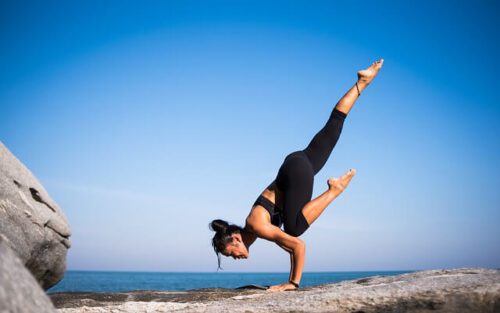
Not all meditation techniques involve sitting still. Movement meditation includes forms like walking meditation, Tai Chi, or gentle yoga.
How it Works:
- Choose a quiet place.
- Engage in slow, deliberate movements.
- Keep your attention on the sensations and rhythm of movement.
These techniques suit those who feel restless during seated sessions.
🕉️ 4. Mantra Meditation
In mantra meditation, a specific word or phrase is repeated to silence the mind and focus thoughts.
Steps:
- Choose a meaningful mantra like “Om” or “I am calm.”
- Repeat it mentally or aloud.
- Let the mantra fill your awareness.
Many spiritual traditions incorporate these meditation techniques for inner transformation.

💖 5. Loving-Kindness Meditation
Also called Metta meditation, this technique nurtures feelings of compassion toward oneself and others.
How to Practice:
- Sit comfortably.
- Repeat phrases like “May I be happy. May I be safe.”
- Extend these wishes to others in your life.
This technique cultivates empathy and emotional balance.
🎨 6. Visualization Meditation
These meditation techniques involve forming mental images of relaxing places or healing scenarios.
Steps:
- Close your eyes and imagine a peaceful scene.
- Engage your senses—visual, sound, smell.
- Stay immersed for 10–15 minutes.
It’s especially effective for reducing anxiety and manifesting positive outcomes.
🛏️ 7. Body Scan Meditation
In this method, you mentally scan your body for tension and consciously relax each part.
Steps:
- Lie down or sit comfortably.
- Focus attention on one part of the body at a time.
- Breathe into any discomfort or tightness.
These meditation techniques are ideal before bedtime or after long work hours.

📅 Daily Routine for Practicing Meditation Techniques
- Morning (5–10 min): Start with mindfulness or mantra meditation.
- Afternoon Break (5 min): Do a quick body scan or visualization.
- Evening (10–20 min): Practice loving-kindness or movement meditation.
Consistency is the secret to maximizing the impact of these meditation techniques.
🧾 Conclusion
Exploring different meditation techniques is a journey worth embarking on. With consistent practice, you open yourself to better mental clarity, emotional depth, and even physical health benefits. From mindfulness to loving-kindness, each technique offers a unique way to reconnect with your deeper self.
Remember, there is no perfect way—only what resonates with you. Start small, stay consistent, and allow the benefits of meditation techniques to unfold naturally in your life.
❓ 10 Frequently Asked Questions About Meditation Techniques
1. What is the best meditation technique for beginners?
Mindfulness and body scan techniques are ideal for beginners because they are simple and don’t require complex steps.
2. How often should I practice meditation techniques?
Daily practice is recommended. Even 5–10 minutes a day can yield noticeable benefits over time.
3. Are meditation techniques religious?
No, while some techniques originate from spiritual traditions, most are secular and adaptable to anyone’s lifestyle.
4. Can meditation techniques reduce anxiety?
Yes, mindfulness, breathing, and visualization techniques are effective in calming the nervous system and lowering stress levels.
5. Do I need a teacher to learn meditation techniques?
Not necessarily. Many apps, books, and online videos provide guided sessions for self-practice.
6. Can I combine different meditation techniques?
Absolutely. A blend of mindfulness and mantra meditation, for example, creates a personalized experience.
7. Why can’t I stop thinking during meditation?
It’s normal. Meditation isn’t about stopping thoughts but about observing them and returning focus.
8. What should I do if I feel sleepy during meditation?
Try sitting instead of lying down. Morning sessions are also more energizing than nighttime ones.
9. Can children practice meditation techniques?
Yes, simplified forms like breathing exercises and visualizations are great for kids.
10. How long does it take to see benefits?
Some feel relaxed immediately, but consistent practice over a few weeks shows deeper mental and emotional changes.
Disclaimer:
The information provided in this blog is for general informational and educational purposes only. Mantech Publications is not affiliated, associated, authorized, endorsed by, or in any way officially connected with any brands, companies, organizations, or institutions mentioned in the content. The views and opinions expressed in the blog posts are solely those of the individual authors and do not necessarily reflect the official policy, position, or opinions of Mantech Publications. While efforts are made to ensure the accuracy and reliability of the information provided, Mantech Publications and its management accept no responsibility or liability for any loss, damage, or inconvenience caused as a result of reliance on the material published on this website.
Leave a Reply