

Infrastructure plays a fundamental role in the economic and social development of any country. From the construction of roads and bridges to advanced digital networks and sustainable energy systems, the foundation of a nation’s prosperity rests on the strength of its infrastructure. This blog explores five critical aspects of infrastructure that are crucial to shaping the future of development. Understanding these areas will provide valuable insights into how infrastructure is the backbone of growth, sustainability, and resilience in modern economies.
What is Infrastructure?
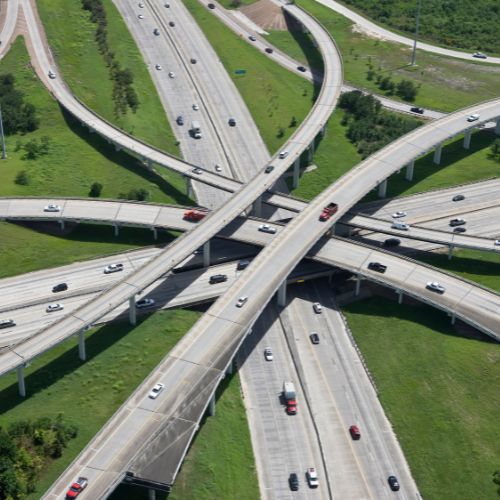
Infrastructure is a broad term that refers to the basic physical and organizational structures needed for the operation of a society. These include transportation systems, utilities like water and electricity, communication networks, and even schools and hospitals. Robust infrastructure is not just the physical manifestation of a country’s development; it is the enabler of all other growth sectors such as education, health, and business.
Transportation Infrastructure: A Key Driver of Economic Growth
Transportation infrastructure forms the spine of an economy. It encompasses roads, railways, airports, and ports, all of which are crucial for the movement of goods and people. The efficiency of transportation infrastructure directly influences trade, mobility, and access to resources.
Roads and Highways: The Backbone of Connectivity
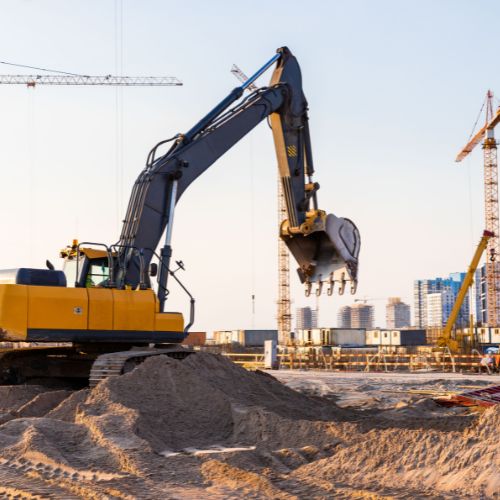
Well-maintained roadways serve as the primary means of transporting goods and people across regions. A solid road network ensures that businesses can easily transport products to different markets. In addition, it allows for the movement of labor, enabling people to access job opportunities and social services more easily.
Railways: The Future of Sustainable Transport
In countries with a large population or vast geographic areas, railways serve as a more efficient and environmentally friendly mode of transportation. Well-planned rail networks reduce road congestion and lower carbon emissions, contributing to a more sustainable future.
Ports and Airports: Catalysts for Global Trade
Ports and airports form the gateway for international trade. They handle millions of tons of goods and facilitate international travel. Without efficient ports and airports, countries struggle to participate effectively in the global marketplace, limiting their economic potential.

Energy Infrastructure: Powering Growth and Sustainability
Energy infrastructure refers to the facilities and systems that produce and distribute power. It includes electricity grids, renewable energy sources, and natural gas pipelines. Reliable energy infrastructure is indispensable for homes, industries, and businesses, as it drives nearly every sector of the economy.
Renewable Energy: A Sustainable Future
The increasing reliance on fossil fuels has led to significant environmental concerns. As a result, renewable energy infrastructure is rapidly expanding. Solar, wind, hydroelectric, and geothermal power are emerging as sustainable alternatives that can meet growing energy demands while mitigating climate change.
Smart Grids: Transforming Energy Distribution
Smart grids represent the future of energy distribution. These advanced networks use digital technology to monitor and manage the distribution of electricity efficiently. They allow energy suppliers to respond in real-time to changes in demand, minimizing wastage and ensuring a reliable power supply to all consumers.
Digital Infrastructure: Enabling the Digital Economy
In today’s interconnected world, digital infrastructure is as important as physical infrastructure. The digital infrastructure includes data centers, fiber-optic cables, mobile networks, and cloud services that power the internet and facilitate digital communication.

Fiber-Optic Networks: A Backbone for High-Speed Internet
High-speed internet has become a necessity for both businesses and consumers. Fiber-optic cables, which carry vast amounts of data at lightning speeds, form the backbone of digital infrastructure. With fiber-optic networks, countries can support high-demand services like e-commerce, digital education, and telemedicine, which have become integral to the global economy.
5G Networks: The Next Frontier of Connectivity
5G technology is transforming how we connect and communicate. It promises to enable faster internet speeds, lower latency, and improved reliability. This next-generation mobile network will play a crucial role in advancing everything from autonomous vehicles to remote surgeries, unlocking new possibilities for businesses and individuals alike.
Social Infrastructure: Supporting Communities
Social infrastructure refers to the physical and organizational structures that support public services such as education, healthcare, and housing. These services ensure that the basic needs of society are met, contributing to social stability and improving the quality of life for citizens.
Education and Healthcare: Pillars of Social Wellbeing
Schools, colleges, and universities are essential components of social infrastructure. They not only provide education but also foster innovation and personal growth. Similarly, healthcare infrastructure—hospitals, clinics, and emergency services—ensures that citizens are healthy, productive, and able to contribute to the economy.
Housing and Sanitation: A Foundation for Living
Affordable housing is a fundamental aspect of social infrastructure. The availability of quality housing ensures that citizens live in safe, healthy conditions, which in turn supports productivity and reduces poverty. Similarly, infrastructure for sanitation, including sewage systems and clean water supply, is vital for public health.

Environmental Infrastructure: Building a Green Future
Environmental infrastructure focuses on sustainable practices and infrastructure that reduce environmental impact. This includes waste management systems, green buildings, and sustainable urban planning.
Waste Management: A Clean and Green Approach
Proper waste management is essential for maintaining a clean and healthy environment. From recycling facilities to landfills, a country’s waste management infrastructure ensures that waste is dealt with in an environmentally friendly manner. It also contributes to reducing pollution and conserving resources.
Green Buildings and Urban Planning
With the rise of urbanization, the demand for energy-efficient buildings and sustainable cities has increased. Green buildings incorporate energy-saving technologies and environmentally friendly materials, reducing the carbon footprint. Sustainable urban planning, such as the creation of green spaces, reduces the negative impact of cities on the environment.
The Role of Government in Infrastructure Development
Governments play a pivotal role in developing and maintaining infrastructure. They invest heavily in these projects, as they create jobs, stimulate economic growth, and provide essential services to citizens. Public-private partnerships (PPPs) are often used to finance large-scale infrastructure projects, allowing for shared responsibility and risk.

Investment in Infrastructure: A Long-Term Strategy
Infrastructure is a long-term investment. While the costs of building it are substantial, the benefits far outweigh the initial expenditures. Improved infrastructure attracts investment, boosts productivity, and ensures the smooth functioning of society. Governments around the world are increasingly recognizing the importance of investing in modern infrastructure to ensure future growth.
Policy and Regulation: Ensuring Efficiency
In addition to financial investment, governments also regulate infrastructure development. They create policies that ensure projects are completed on time, within budget, and in a manner that serves the public good. Proper regulation ensures that infrastructure is developed efficiently, sustainably, and with social responsibility in mind.

Conclusion
Infrastructure is more than just the physical structures that support a society—it is the engine of growth, sustainability, and resilience. Whether it’s through the development of transportation networks, energy systems, digital connectivity, or social services, robust infrastructure forms the foundation for economic prosperity and social well-being. Governments, businesses, and individuals must work together to ensure that infrastructure is built, maintained, and upgraded in ways that benefit future generations.
As nations continue to face the challenges of rapid urbanization, climate change, and technological advancements, investment in infrastructure will remain key to driving growth and development. The importance of infrastructure cannot be overstated, as it is, and will continue to be, the key to a brighter, more sustainable future.
FAQs
1. What is infrastructure?
Infrastructure refers to the physical and organizational structures needed for the operation of a society. This includes transportation systems, communication networks, energy systems, water supply, and public institutions like schools and hospitals.
2. Why is infrastructure important for economic development?
Infrastructure plays a crucial role in enabling economic growth. It supports industries, enhances trade, improves access to services, and boosts productivity. Well-developed infrastructure attracts investment, creates jobs, and improves the quality of life.
3. What are the different types of infrastructure?
Infrastructure can be categorized into several types:
- Transportation Infrastructure: Roads, railways, ports, and airports.
- Energy Infrastructure: Electricity grids, renewable energy sources, and power plants.
- Digital Infrastructure: Internet connectivity, data centers, and mobile networks.
- Social Infrastructure: Schools, hospitals, housing, and sanitation systems.
- Environmental Infrastructure: Waste management systems and green spaces.
4. How does transportation infrastructure contribute to development?
Transportation infrastructure facilitates the movement of goods and people. Efficient transportation systems reduce transportation costs, increase trade opportunities, and improve access to jobs and services. This leads to economic growth and regional development.
5. What is the role of energy infrastructure in development?
Energy infrastructure ensures a steady supply of power to industries, businesses, and households. It supports manufacturing, healthcare, education, and other sectors. Investing in renewable energy sources and smart grids also helps achieve sustainable development.
6. What is digital infrastructure, and why is it important?
Digital infrastructure refers to the networks and services that enable communication and data transfer, including the internet, mobile networks, and cloud services. It is vital for supporting e-commerce, digital education, telemedicine, and other modern services, contributing to economic growth and social inclusion.
7. How do governments fund infrastructure projects?
Governments typically fund infrastructure projects through public investments and by securing loans or grants. They may also use public-private partnerships (PPPs), where the government collaborates with private companies to share the costs and risks involved in large-scale projects.
8. What is the impact of poor infrastructure on a country?
Poor infrastructure can lead to inefficiencies, higher costs, and limited access to services. It hampers economic growth, reduces competitiveness, and affects the quality of life. For example, inadequate transportation and energy systems can slow down businesses and disrupt daily life.
9. What are smart grids in energy infrastructure?
Smart grids are advanced electricity networks that use digital technology to monitor and manage the distribution of electricity. They improve energy efficiency, help prevent power outages, and enable real-time adjustments to match demand with supply, contributing to a more sustainable energy system.
10. How does infrastructure development address environmental concerns?
Sustainable infrastructure, such as renewable energy systems, green buildings, and waste management systems, helps reduce the environmental impact of industrial activities. It also supports the conservation of resources and minimizes pollution, contributing to a cleaner and greener future.
Leave a Reply