
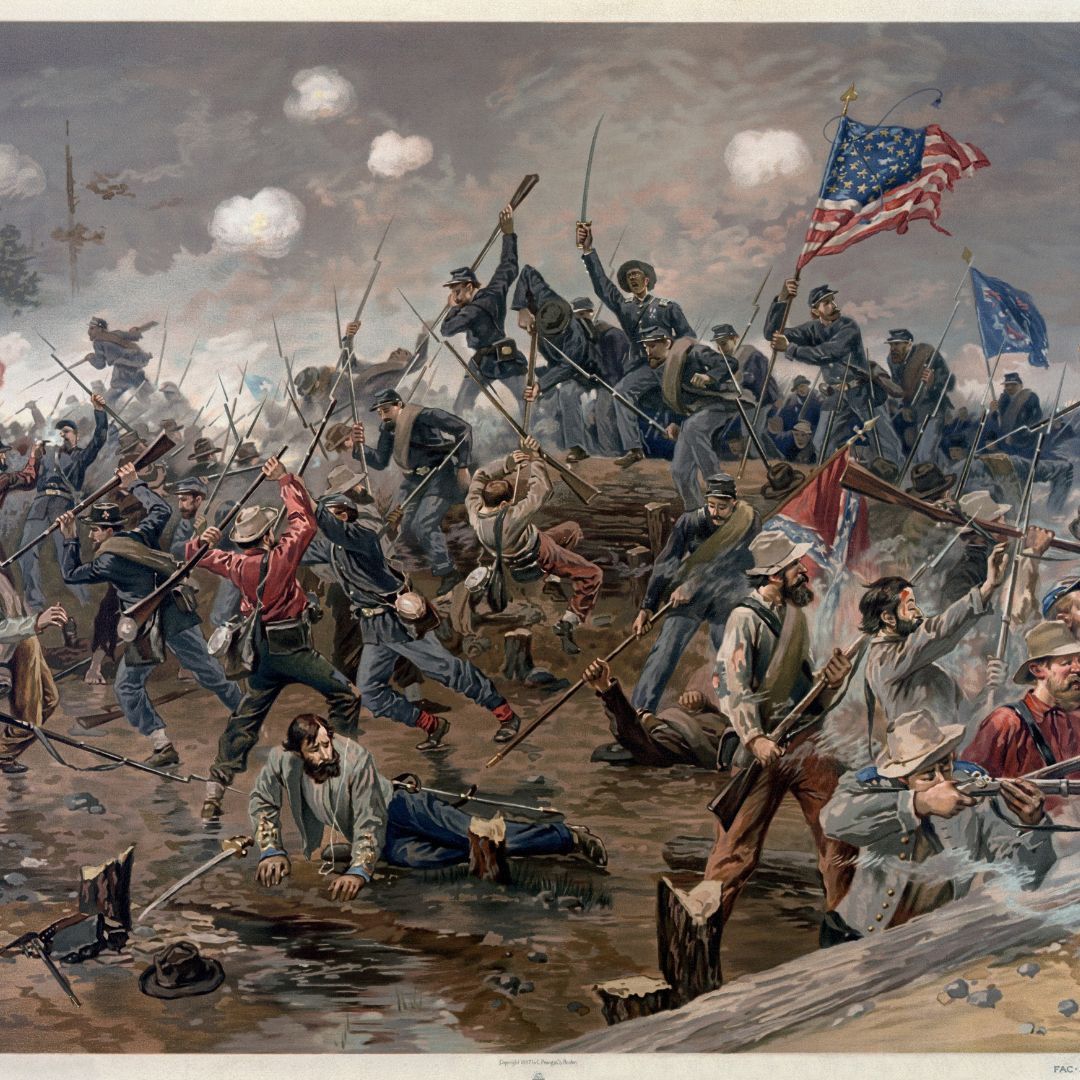
History is more than just dates and events; it is the story of human existence, struggles, triumphs, and transformations. Through every era, history unfolds a narrative that shapes who we are today. Whether you are a history enthusiast or just someone curious about the past, understanding history helps us reflect on our present and look forward to the future. In this blog, we will explore some of the most impactful moments in history that have forever changed the course of civilization.

The Dawn of Civilization: Ancient Mesopotamia
The history of human civilization begins with the rise of Mesopotamia, often called the “Cradle of Civilization.” This region, situated between the Tigris and Euphrates rivers, is where writing, urbanization, and law first emerged. The Sumerians developed cuneiform writing, one of the earliest forms of written language, which allowed them to record their history, trade, and laws.
The epic of Gilgamesh, one of the earliest works of literature, is also a vital part of Mesopotamian history. This ancient tale offers insights into the Sumerian worldview, covering themes of mortality, friendship, and the search for immortality. These elements of history laid the foundation for later civilizations, including those in Egypt, Greece, and Rome.
The Rise of Ancient Egypt
No discussion of history would be complete without mentioning Ancient Egypt. For more than 3,000 years, Egypt was one of the most powerful civilizations, known for its monumental achievements in architecture, mathematics, and art. The history of Egypt is inseparable from the legacy of the Pharaohs.
The pyramids of Giza are among the most enduring symbols of Egypt’s grandeur. The construction of the Great Pyramid, for instance, has remained a subject of fascination for historians. This history shows the remarkable engineering skills of the ancient Egyptians, who built these colossal structures without modern machinery.
Classical Greece: The Birth of Democracy
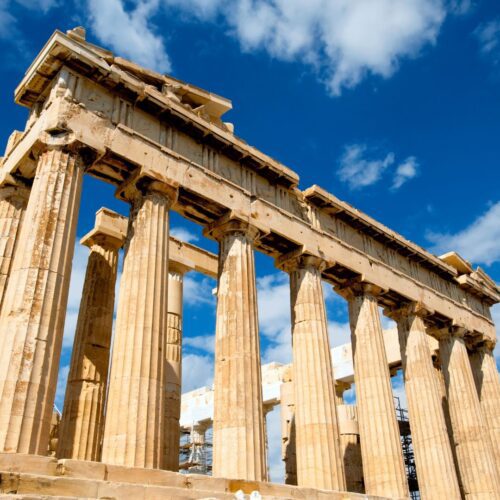
Greek history is particularly significant for its contributions to philosophy, politics, and science. Ancient Greece is often credited with the birth of democracy, most notably in the city-state of Athens. Here, citizens gathered in an assembly to vote on important matters, laying the groundwork for modern political systems around the world.
Greek philosophers like Socrates, Plato, and Aristotle examined the nature of humanity, knowledge, and ethics, shaping the intellectual landscape of Western civilization. These thinkers influenced countless generations, with their works continuing to resonate through the centuries.
The Roman Empire: A Civilization of Innovation
Roman history is rich in both military conquest and cultural contributions. The Roman Empire, at its height, spanned three continents—Europe, Asia, and Africa. Roman law, architecture, and engineering innovations such as the aqueducts and roads remain influential to this day.
Roman society also gave birth to the concept of citizenship, with individuals enjoying rights and responsibilities that defined their roles in the empire. The fall of the Roman Empire in 476 CE marked the end of the classical era, but its influence lived on through the Byzantine Empire and the preservation of Roman law.
The Middle Ages: The Rise of Feudalism
Following the fall of Rome, Europe entered the Middle Ages, a period marked by feudalism, religious dominance, and frequent conflict. The history of this time reveals the complexities of medieval society, where kings, knights, and peasants all had specific roles in a rigid social hierarchy.
The Catholic Church played a pivotal role in medieval Europe, shaping cultural and political life. The history of the Crusades, religious wars fought between Christians and Muslims, demonstrates the power of religion in shaping global events. The Magna Carta of 1215, a key historical document, began to limit the powers of the monarchy and laid the foundation for modern democratic principles.

The Renaissance: A Rebirth of Art and Science
The Renaissance, a period of cultural rebirth from the 14th to the 17th century, marks a high point in history. This era witnessed an explosion of creativity in art, literature, and science. Renowned figures such as Leonardo da Vinci, Michelangelo, and Galileo Galilei made groundbreaking contributions that influenced both their time and the generations that followed.
The rediscovery of classical Greek and Roman texts inspired a new intellectual movement that emphasized humanism, focusing on the potential of the individual. The printing press, invented by Johannes Gutenberg, revolutionized the spread of knowledge, forever changing the course of history by making books more accessible to the masses.
The Age of Exploration: Expanding the Known World
The Age of Exploration, which spanned the 15th and 16th centuries, marks a period when Europeans ventured beyond their borders, discovering new lands and establishing colonies around the globe. Key figures such as Christopher Columbus, Vasco da Gama, and Ferdinand Magellan expanded the boundaries of the known world, altering the course of history.
These explorers’ journeys were not without controversy, as they often led to the colonization and exploitation of indigenous populations. Nonetheless, the history of exploration brought about exchanges of goods, ideas, and cultures that reshaped the global landscape.
The Industrial Revolution: A New Era of Innovation
The Industrial Revolution, beginning in the late 18th century, stands as one of the most transformative periods in modern history. This era introduced new manufacturing processes, powered by steam engines and later electricity, that revolutionized industries such as textiles, transportation, and agriculture.
The history of the Industrial Revolution also saw significant urbanization, as people moved from rural areas to cities in search of work. While this period brought immense economic growth, it also gave rise to harsh working conditions, child labor, and social inequality, which spurred movements for labor rights and social reforms.
World Wars: Shaping the 20th Century
The two World Wars of the 20th century fundamentally altered global politics and society. World War I, often called “The Great War,” led to the collapse of empires and redrew national boundaries. Its aftermath set the stage for World War II, a conflict that saw unprecedented destruction and loss of life.
The history of these wars is defined by the global scale of their impact, from the Holocaust to the development of nuclear weapons. The end of World War II ushered in the Cold War, a period of political tension between the United States and the Soviet Union that shaped the geopolitical landscape for much of the 20th century.
The Digital Age: Revolutionizing Communication and Information
The history of the late 20th and early 21st centuries is marked by the advent of the digital age. The rise of the internet, personal computers, and mobile technology has transformed how we communicate, work, and access information. The information revolution has created an interconnected world where knowledge is more accessible than ever before.
This period in history has also witnessed the emergence of social media, online businesses, and digital economies, dramatically shifting how people live and interact. As we look toward the future, the ongoing development of artificial intelligence and other emerging technologies promises to continue reshaping the course of history.
Conclusion: The Continuous Flow of History
History is not just about the past; it is a continuous process of learning and growth. Every event, discovery, and decision leaves a mark that influences future generations. By studying history, we gain insights into the complexities of human behavior, the challenges we have overcome, and the innovations that have propelled us forward.
As we look back on these ten pivotal moments in history, we can reflect on the ways in which each era has contributed to the world we live in today. Understanding history helps us appreciate the progress we have made, the challenges we still face, and the future we continue to shape.
FAQs
What is the definition of history?
History refers to the study of past events, particularly in human affairs. It encompasses everything from the origin of civilizations to the impact of political, social, economic, and cultural changes over time. History helps us understand how past events shape the present and future.
Why is studying history important?
Studying history helps us learn from past mistakes, celebrate achievements, and understand the factors that have shaped the modern world. It fosters critical thinking, encourages empathy, and teaches us valuable lessons about human behavior and societal growth.
How does history influence our present lives?
The events of the past have a lasting impact on our society today. For example, the formation of governments, the rise and fall of empires, technological advancements, and cultural shifts have all influenced how we live, work, and interact in the present.
What are some of the most significant periods in world history?
Some of the most significant periods in world history include Ancient Egypt, Ancient Greece, the Roman Empire, the Middle Ages, the Renaissance, the Industrial Revolution, and the World Wars. Each of these periods brought about major changes in culture, politics, technology, and society.
What is the difference between history and prehistory?
History refers to recorded events and developments, typically starting with the invention of writing. Prehistory, on the other hand, is the time period before written records existed, and it is primarily studied through archaeology and other physical evidence.
How do historians gather information about the past?
Historians gather information from a variety of sources, including written documents, oral traditions, archaeological findings, and artifacts. They also analyze primary sources such as diaries, letters, and official records, as well as secondary sources like books and articles written by other historians.
What is the role of archaeology in history?
Archaeology plays a crucial role in history by helping to uncover physical evidence from past civilizations. Excavations of ancient sites provide insights into daily life, culture, technology, and social structures, allowing historians to piece together a more accurate picture of the past.
What are some famous historical events that changed the world?
Some famous historical events that changed the world include the fall of the Roman Empire, the signing of the Magna Carta, the American Revolution, the French Revolution, the Industrial Revolution, the two World Wars, and the civil rights movements in various countries.
How does history shape our identity as a society?
History shapes our identity by providing a sense of belonging and understanding of how our culture, values, and traditions have evolved over time. It influences our collective memory, helping us recognize our shared experiences and the contributions of various groups to the society we live in today.
Can history repeat itself?
While history may not repeat itself exactly, patterns and trends often emerge. By studying history, we can identify these patterns and use them to inform our decisions and avoid making the same mistakes. The idea that history “repeats itself” suggests that certain human behaviors and societal challenges recur over time.
Leave a Reply