
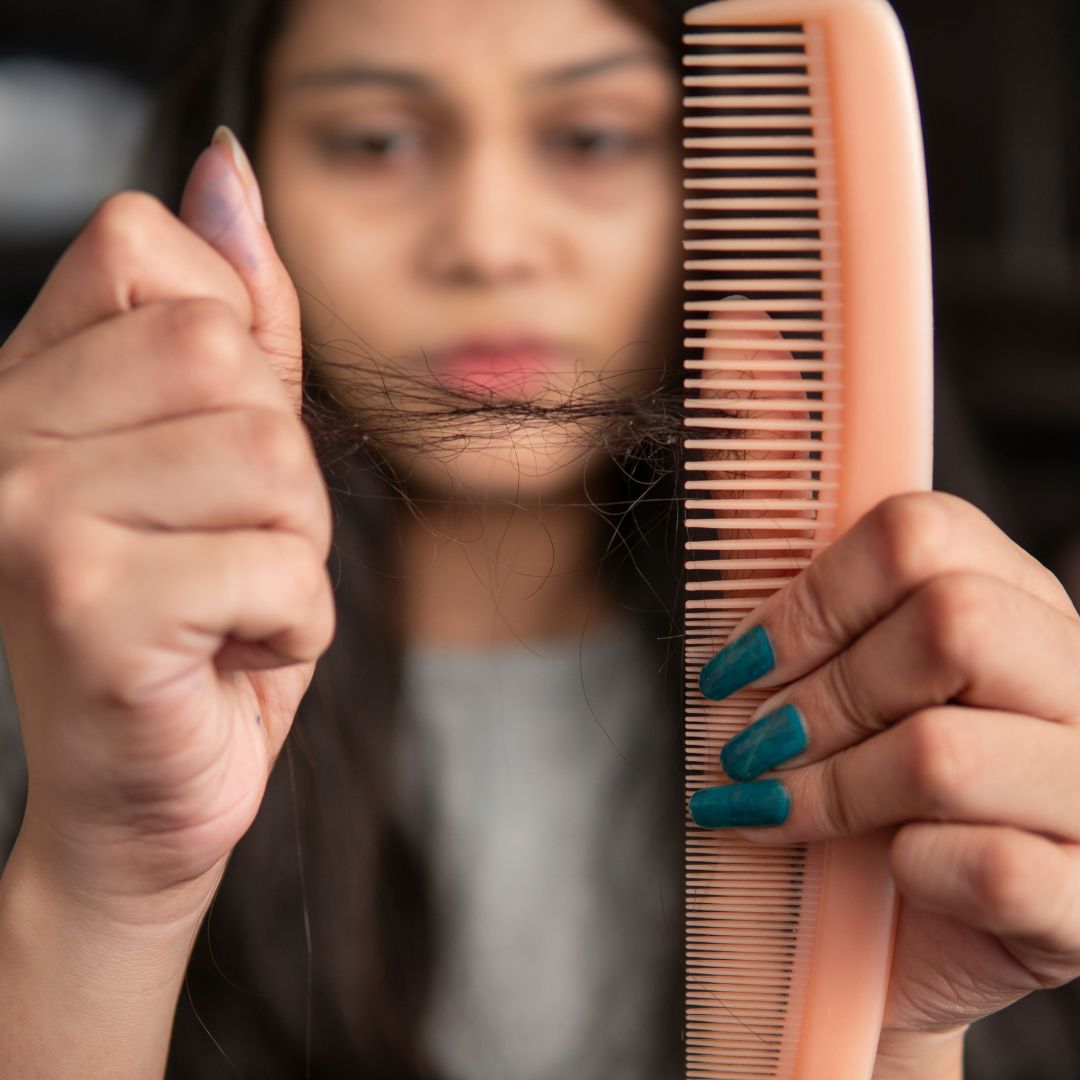
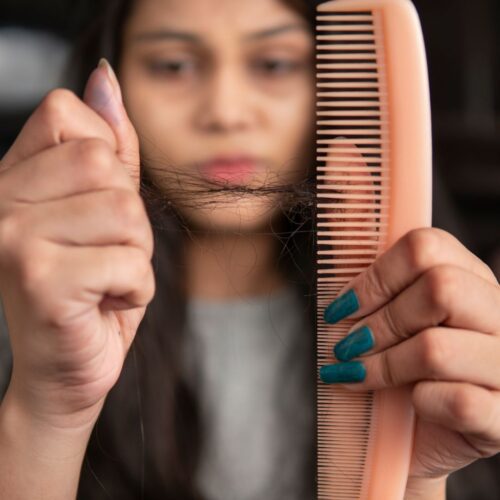
Hair fall is a common concern for many people across the world. Whether due to genetics, lifestyle, or environmental factors, hair fall can be a distressing issue. Fortunately, there are several hair fall treatment options available today that can help you combat this problem and regain the health and volume of your hair. This article will explore effective hair fall treatments that you can incorporate into your daily routine.
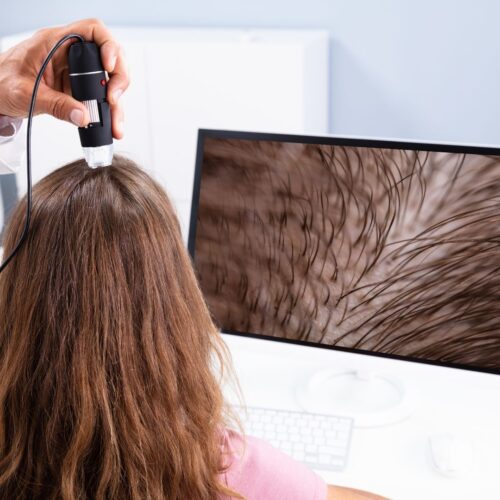
Understanding Hair Fall
Before exploring hair fall treatment methods, it’s essential to understand the causes of hair fall. Hair loss can be triggered by a variety of factors including:
- Genetics: A family history of baldness or thinning hair often plays a significant role.
- Hormonal Imbalances: Changes in hormones, particularly during pregnancy, menopause, or thyroid issues, can cause hair loss.
- Nutritional Deficiencies: Lack of essential nutrients like iron, biotin, and vitamins can lead to weak hair and excessive shedding.
- Stress: High stress levels can disrupt hair growth and contribute to hair thinning or falling.
- Poor Hair Care Practices: Using harsh chemicals, heat styling, and rough handling of the hair can contribute to breakage and hair fall.
Now that we have an idea of the reasons behind hair fall, let’s explore the top 5 hair fall treatments that are effective in promoting hair health.
Natural Oils for Hair Fall Treatment
One of the most natural and effective ways to combat hair fall is by using oils. Essential oils such as rosemary, peppermint, and lavender have been found to stimulate hair growth and reduce hair loss. Massaging the scalp with oils promotes blood circulation, which in turn nourishes the hair follicles. This can help in preventing hair fall and promote stronger hair.
- Coconut Oil: Rich in fatty acids, coconut oil nourishes the scalp, strengthens hair, and prevents hair breakage.
- Castor Oil: Known for its ability to improve hair thickness and reduce hair fall, castor oil contains ricinoleic acid, which helps to improve circulation to the scalp.
- Olive Oil: Olive oil is rich in antioxidants and vitamin E, which can promote healthy hair growth and prevent damage.
To use these oils effectively, heat them slightly and massage them gently into the scalp. Leave it on for at least 30 minutes before washing with a mild shampoo. Regular use of these oils as part of your hair fall treatment regimen can yield noticeable results over time.
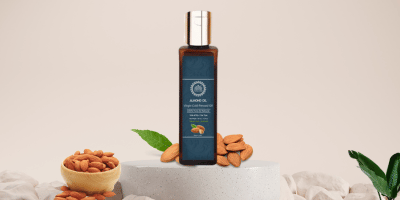
Ayurvedic Hair Fall Treatment
Ayurveda offers a holistic approach to hair care by focusing on restoring balance to the body, mind, and hair. Ayurvedic hair fall treatments use natural ingredients and remedies to strengthen hair, nourish the scalp, and reduce hair loss. Some of the most popular Ayurvedic herbs for hair fall treatment include:
- Bhringraj: Known as the king of herbs for hair, Bhringraj is highly effective in preventing hair fall and promoting hair growth.
- Amla (Indian Gooseberry): Amla is rich in vitamin C, which boosts collagen production and strengthens hair follicles.
- Neem: Neem has antifungal and antibacterial properties that help maintain a healthy scalp, preventing infections that may lead to hair fall.
Using Ayurvedic oils and herbal powders in your daily routine can improve hair health and reduce hair fall over time. You can create a paste using these herbs and apply it to the scalp for an all-natural hair fall treatment.
Dietary Changes for Hair Fall Treatment
What you eat plays a crucial role in the health of your hair. A balanced diet rich in vitamins, minerals, and proteins is essential for reducing hair fall and promoting hair growth. Including the following foods in your diet can provide your hair with the necessary nutrients for healthy growth:
- Protein-Rich Foods: Hair is primarily made up of keratin, a protein. Foods like eggs, lean meats, legumes, and beans provide the necessary protein for hair health.
- Iron-Rich Foods: Iron deficiency can lead to hair thinning. Include leafy greens, nuts, seeds, and fortified cereals to maintain optimal iron levels.
- Omega-3 Fatty Acids: Found in fish, walnuts, and flaxseeds, omega-3 fatty acids help nourish the hair follicles and promote healthy hair growth.
Supplements like biotin, zinc, and vitamin D can also be beneficial in supporting hair health. Be sure to consult with a healthcare provider before starting any new supplements to ensure they align with your health needs.

Scalp Care and Cleansing
Regular scalp care is essential to prevent hair fall. A clean scalp promotes healthy hair growth, as it removes dirt, oil, and dead skin cells that can clog hair follicles. Here’s how you can care for your scalp effectively:
- Regular Shampooing: Choose a mild, sulfate-free shampoo to cleanse your hair without stripping it of natural oils. Washing your hair twice a week is usually sufficient for most people.
- Scalp Massage: Gently massaging your scalp with your fingertips for a few minutes daily can help increase blood circulation and promote hair growth.
- Avoid Over-Washing: Over-washing can strip the scalp of natural oils, leading to dryness and irritation, which may contribute to hair fall.
Incorporating a consistent hair care routine that includes scalp cleansing and massaging can significantly improve hair health and prevent hair fall.
Hair Fall Treatment with Minoxidil
Minoxidil is a clinically proven treatment for hair loss and is widely used to treat male and female pattern baldness. Minoxidil works by stimulating hair follicles, encouraging them to grow hair. Available over-the-counter, it is one of the most common medications used for hair fall treatment.
When used as directed, Minoxidil can increase hair density and slow down hair loss. However, results may vary, and it may take several months to notice improvements. Be sure to consult a dermatologist before starting Minoxidil to ensure it is the right option for your specific hair fall issues.
Lifestyle Changes for Managing Hair Fall
In addition to the above treatments, incorporating healthy lifestyle changes can further support hair health and reduce hair fall:
- Stress Management: Practice stress-reducing activities like yoga, meditation, or deep breathing exercises to prevent stress-related hair fall.
- Avoiding Heat Styling: Excessive heat styling can weaken hair and lead to breakage. Try to avoid using hot tools like straighteners, curlers, and blow dryers frequently.
- Gentle Hair Handling: Avoid tight hairstyles that pull on the hair, such as ponytails or braids. Instead, opt for loose hairstyles to reduce strain on the hair follicles.
Conclusion
Hair fall can be a frustrating issue, but with the right hair fall treatment, it is possible to regain healthy, strong hair. Whether through natural oils, Ayurvedic remedies, dietary changes, or medical treatments like Minoxidil, there are multiple options available to address hair loss. Consistency is key when it comes to hair fall treatment. By adopting a comprehensive approach that includes scalp care, proper nutrition, and lifestyle adjustments, you can effectively reduce hair fall and promote healthier hair growth.
FAQs
1. What causes hair fall?
Hair fall can occur due to several factors, including genetics, hormonal imbalances, stress, nutritional deficiencies, poor hair care practices, and environmental factors. Identifying the cause of hair fall is crucial in choosing the right treatment.
2. How can I stop hair fall naturally?
There are several natural remedies for hair fall treatment, such as massaging the scalp with essential oils like coconut oil, castor oil, or rosemary oil. A healthy diet rich in vitamins and minerals, along with proper hair care practices, can also help in reducing hair fall.
3. Are Ayurvedic treatments effective for hair fall?
Yes, Ayurvedic treatments can be very effective for hair fall. Herbs like Bhringraj, Amla, and Neem are known for their ability to strengthen hair follicles, improve scalp health, and promote hair growth. Ayurvedic oils and powders are commonly used for natural hair fall treatment.
4. How long does it take to see results from hair fall treatments?
The time required to see results from hair fall treatment can vary depending on the treatment method and the severity of hair loss. Natural treatments may take a few weeks to show results, while medical treatments like Minoxidil may take 2-4 months for noticeable improvements.
5. Can diet affect hair fall?
Yes, your diet plays a significant role in hair health. A diet rich in proteins, iron, vitamins (like biotin and vitamin C), and omega-3 fatty acids can help nourish your hair and reduce hair fall. Nutrient deficiencies can contribute to hair loss.
6. Is Minoxidil effective for all types of hair fall?
Minoxidil is effective for androgenetic alopecia (pattern baldness) in both men and women. However, it may not work as effectively for other types of hair loss, such as those caused by stress, medical conditions, or poor nutrition. It is important to consult a healthcare provider for a proper diagnosis.
7. How often should I wash my hair to prevent hair fall?
Washing your hair 2-3 times a week is generally sufficient for most people to keep the scalp clean and prevent hair fall. Over-washing can strip the scalp of natural oils, leading to dryness and irritation, which may contribute to hair fall.
8. Can stress cause hair fall?
Yes, stress is a common cause of hair fall. It can trigger conditions like telogen effluvium, where hair enters the shedding phase prematurely. Managing stress through relaxation techniques like meditation, yoga, and exercise can help reduce stress-induced hair fall.
9. Can using hot tools like straighteners and blow dryers cause hair fall?
Yes, frequent use of heat styling tools can weaken hair and cause breakage, contributing to hair fall. If you need to use heat, ensure that you apply a heat protectant spray and avoid using high temperatures.
10. What is the best hair fall treatment for women?
The best hair fall treatment for women depends on the cause of the hair loss. For many, a combination of natural oils, a nutrient-rich diet, gentle hair care practices, and products like Minoxidil can be effective. Consulting a dermatologist is advisable for personalized treatment options.
Leave a Reply