
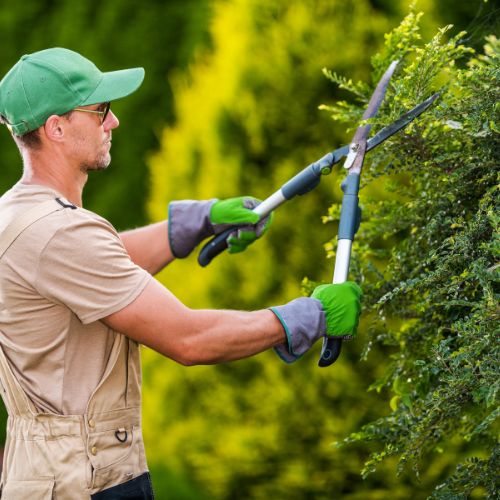
Gardening is an incredibly rewarding hobby that allows you to reconnect with nature, beautify your surroundings, and even grow your own food. Whether you’re a beginner or a seasoned gardener, there are always new gardening tips and tricks to enhance your gardening experience. In this blog post, we’ll explore essential gardening tips that will help you cultivate a thriving garden, improve plant health, and make the most of your outdoor space.
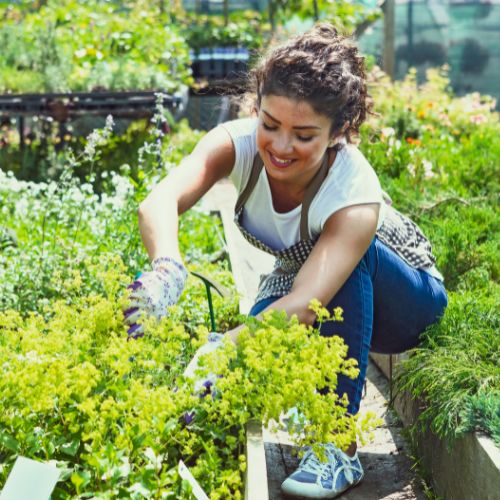
Choose the Right Plants for Your Climate
One of the most important gardening tips is to choose plants that are well-suited to your climate. Not every plant will thrive in every environment, so it’s essential to do your research before planting. Consider factors such as temperature, rainfall, and soil type. You’ll find that plants that are native to your region are more likely to thrive and require less maintenance. When selecting plants, also consider the amount of sunlight your garden receives. Full sun plants need at least six hours of sunlight per day, while shade-loving plants are perfect for areas that receive less light.
Prepare the Soil Properly
Soil preparation is one of the key gardening tips that determines how well your plants will grow. Healthy, well-drained soil is essential for plant development. Start by removing weeds, rocks, and any other debris from the soil. Loosen the soil to improve aeration and water drainage. If your soil is clay-heavy, consider adding organic matter like compost or mulch to improve its texture. A soil test will also tell you the pH level and nutrient content, which can help you add the right amendments for optimal plant health.
Water Efficiently
Watering is a vital part of gardening, but it’s essential to do it the right way. Overwatering or underwatering can stress plants and inhibit growth. One of the best gardening tips is to water your plants deeply but infrequently. This encourages the roots to grow deeper into the soil, making the plants more drought-resistant. Early morning is the best time to water your garden, as it allows the water to soak into the soil before the heat of the day. Avoid watering the leaves, as this can encourage disease.
Use Mulch to Retain Moisture
Mulching is one of the most effective gardening tips for maintaining moisture in your garden. A layer of mulch around your plants helps retain soil moisture, prevents weed growth, and regulates soil temperature. Organic mulches like straw, wood chips, or grass clippings break down over time and add valuable nutrients to the soil. Be sure to apply a 2-3 inch layer of mulch around your plants, keeping it a few inches away from the plant stems to prevent rot.
Prune Regularly
Pruning is essential for maintaining the health and appearance of your plants. Deadheading spent flowers, removing diseased branches, and thinning out overcrowded plants encourages new growth and improves air circulation. Regular pruning is a vital gardening tip for both flowering and fruiting plants. When pruning, always use sharp, clean tools to prevent damaging the plant or introducing diseases. Be mindful of the specific pruning needs of each plant, as different species require different techniques.
Fertilize Your Plants
Fertilizing is another key gardening tip that can improve plant growth. Plants need nutrients like nitrogen, phosphorus, and potassium to thrive, and sometimes the soil doesn’t provide enough of these nutrients. Use a balanced fertilizer to promote healthy growth. Organic options like compost or well-rotted manure are excellent choices, as they enrich the soil while adding beneficial microorganisms. Apply fertilizers according to the manufacturer’s instructions, and avoid over-fertilizing, which can harm the plants and the environment.

Control Pests Naturally
Pests can quickly destroy your hard work in the garden, but you don’t have to rely on harmful chemicals to manage them. There are many natural ways to control pests, which is one of the best gardening tips to keep your garden healthy. Companion planting is a great strategy—some plants naturally repel pests that are harmful to others. For example, planting marigolds can deter aphids, while basil can help protect tomatoes from insects. You can also introduce beneficial insects like ladybugs and lacewings, which feed on pests. Neem oil and insecticidal soap are also safe and effective options for pest control.
Rotate Crops for Healthy Soil
If you’re growing vegetables or other crops, crop rotation is one of the most important gardening tips to prevent soil depletion. Growing the same plants in the same location year after year can lead to nutrient imbalances and increase the risk of pests and diseases. By rotating crops, you give the soil a chance to recover and ensure that different nutrients are replenished. For example, legumes like beans and peas fix nitrogen in the soil, making them a great choice to plant after nitrogen-consuming crops like corn.

Harvest at the Right Time
Knowing when to harvest your plants is a crucial gardening tip for ensuring the best taste and quality. Harvesting too early can result in immature fruits or vegetables, while waiting too long can lead to overripe produce. Pay attention to the specific requirements for each type of plant. For example, tomatoes should be harvested when they’re fully colored and slightly soft to the touch, while leafy greens are best picked early in the morning to retain their crispness. Regular harvesting also encourages new growth and increases your yield.
Keep Learning and Experimenting
Gardening is an ongoing process of learning and adapting. One of the most valuable gardening tips is to keep experimenting with different techniques, plant varieties, and garden layouts. Don’t be afraid to try new things, whether it’s growing a new vegetable or trying a new composting method. Attend local gardening workshops, join gardening groups, or read gardening books and blogs to continue expanding your knowledge. Gardening is a journey, and the more you learn, the more you’ll enjoy the process and reap the rewards of your hard work.

Conclusion
These 10 gardening tips will set you on the path to creating a thriving and beautiful garden. Whether you’re growing flowers, vegetables, or herbs, the key to success lies in planning, proper care, and continuous learning. By following these essential gardening tips, you’ll be able to cultivate a garden that flourishes with vibrant plants and bountiful harvests. Happy gardening!
FAQs
1. What is the best time to plant my garden?
The best time to plant depends on your climate and the types of plants you’re growing. In general, spring is the best time to plant most vegetables and flowers, as the soil has warmed up, and the risk of frost is low. However, some plants, like cold-season crops (e.g., spinach, peas), can be planted in early spring or late fall.
2. How often should I water my plants?
Most plants prefer deep watering rather than frequent light watering. Water your plants early in the morning, allowing the soil to soak up moisture before the sun’s heat evaporates it. The frequency depends on the weather, soil type, and plant variety. Typically, plants need watering once a week, but during hot, dry spells, you may need to water more often.
3. How do I improve poor soil in my garden?
If your soil is poor, you can improve it by adding organic matter like compost, well-rotted manure, or leaf mulch. This helps to increase soil fertility, improve drainage, and encourage healthy root growth. You can also test the soil’s pH to determine whether it needs adjustments, such as adding lime to raise the pH or sulfur to lower it.
4. What are the best gardening tips for beginners?
For beginners, focus on selecting easy-to-grow plants suited for your climate. Start with vegetables like tomatoes, lettuce, and herbs, and gradually expand your garden as you gain more experience. Pay attention to watering, soil preparation, and pest control. Don’t forget to prune regularly and remove weeds.
5. How do I prevent pests in my garden naturally?
To prevent pests, consider using natural pest control methods like introducing beneficial insects (ladybugs, lacewings) that prey on harmful pests. Companion planting, such as planting marigolds to deter aphids, can also help. You can use organic options like neem oil or insecticidal soap if needed.
6. When should I prune my plants?
Pruning times vary depending on the plant. In general, prune flowering plants after they have finished blooming to encourage new growth. For shrubs and trees, late winter or early spring is often the best time to prune, before the new growth starts. Always remove dead or diseased branches as soon as you notice them.
7. What should I do if my plants aren’t growing well?
If your plants aren’t thriving, first check the soil’s quality, water levels, and whether they’re getting enough sunlight. Sometimes, the problem can be pests or diseases, so inspect the plants closely. You may need to fertilize with a balanced fertilizer or amend the soil with compost to improve nutrients.
8. How do I know when to harvest my vegetables?
The timing of harvest depends on the type of vegetable. For instance, tomatoes should be harvested when they’re fully colored and slightly soft, while leafy greens like spinach should be harvested early in the morning for best flavor. It’s essential to know the specific growth cycle of each vegetable for optimal harvest time.
9. How can I make my garden more water-efficient?
To make your garden water-efficient, use techniques such as mulching, which helps retain moisture in the soil. Drip irrigation systems can deliver water directly to the roots, reducing waste. Plant drought-resistant varieties, and group plants with similar water needs together to avoid over-watering.
10. What are the benefits of using mulch in my garden?
Mulch offers several benefits for your garden. It helps retain soil moisture, prevents weed growth, and regulates soil temperature. Organic mulches, such as wood chips or straw, decompose over time, enriching the soil with nutrients. It also provides a neat, finished look to garden beds.
Leave a Reply