

Hair straightening is a popular trend among those who desire sleek, smooth, and manageable hair. Whether it’s done at a salon or at home with a flat iron, straightened hair can transform your look in minutes. However, the process of hair straightening isn’t as harmless as it may seem. In fact, there are several disadvantages of hair straightening that can affect the health of your hair in the long run. In this blog post, we will explore the disadvantages of hair straightening, why you should be cautious, and how to protect your hair from damage.

Understanding Hair Straightening
Hair straightening involves altering the natural texture of the hair to make it smoother and straighter. While hair straightening provides instant results, it often comes with a range of disadvantages of hair straightening. This process can be achieved using chemical treatments like relaxers or through heat-based tools such as straightening irons. While these methods promise sleek, straight hair, the disadvantages of hair straightening should not be overlooked. Over time, the potential risks, such as hair breakage and dryness, can outweigh the benefits of straightened hair. Understanding these disadvantages of hair straightening can help you make an informed decision about your hair care routine.
Hair Breakage and Split Ends
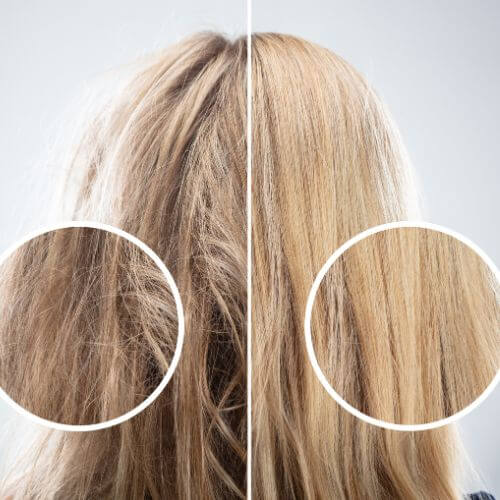
One of the most common disadvantages of hair straightening is hair breakage. Excessive use of heat or chemical treatments weakens the hair structure, making it more prone to breakage. This is especially true for individuals with already fragile or dry hair. When the hair shaft becomes weak, it leads to split ends, which can make your hair appear frizzy and unhealthy.
Prevention Tip: If you must straighten your hair, make sure to use a heat protectant spray and limit the frequency of straightening to avoid damage.
Dryness and Dehydration
Straightening treatments often strip the hair of its natural moisture. The heat from flat irons and blow dryers can cause the hair cuticles to open up, leading to loss of hydration. This results in dry, brittle hair that lacks shine and softness. In the case of chemical straightening, the process can dry out your hair even more, leading to long-term damage.
The disadvantages of hair straightening become more apparent when the hair loses its natural luster and becomes coarse. Over time, this can lead to permanent damage if not properly addressed.
Prevention Tip: Regular deep conditioning treatments are essential to restore moisture and prevent further damage.
Increased Hair Thinning
Hair thinning is another significant risk associated with frequent hair straightening. Constant use of heat styling tools or chemical treatments can weaken the hair follicles, causing them to fall out prematurely. Over time, this thinning becomes more noticeable, especially around the temples and crown of the head.
If you notice a significant amount of hair shedding after straightening, it might be time to reconsider this styling practice.
Prevention Tip: Give your hair time to recover by allowing it to rest between straightening sessions.
Scalp Irritation and Sensitivity
The disadvantages of hair straightening extend beyond the hair itself to the scalp. Chemical straightening treatments, in particular, can cause irritation, itching, or redness on the scalp. The harsh chemicals used to straighten the hair can strip the scalp of its natural oils, leading to dryness and sensitivity. This is especially true for people with sensitive skin or those prone to allergies.
Prevention Tip: If you opt for a chemical treatment, ensure that you do a patch test beforehand to avoid adverse reactions.
Permanent Structural Changes
Chemical straightening treatments, such as Brazilian blowouts or relaxers, can lead to permanent changes in the hair’s structure. While this might seem like a convenient solution for permanently straight hair, the truth is that these treatments can weaken the natural texture of the hair and make it more difficult to manage without heat styling.
Disadvantages of hair straightening are particularly evident when your hair loses its ability to hold its natural shape. This makes it harder to switch up your look without resorting to more damage-inducing treatments.
Prevention Tip: Consider less harsh alternatives, such as keratin treatments, which are gentler on the hair and don’t cause permanent changes to its structure.

Chemical Damage
One of the most concerning disadvantages of hair straightening is the long-term damage caused by the chemicals used in hair straightening treatments. These chemicals can cause the hair to become weak, lifeless, and more prone to damage. Furthermore, frequent exposure to these chemicals can irritate the skin and cause allergic reactions.
People with sensitive hair or scalp should avoid harsh chemical straightening treatments, as they can result in irreversible damage.
Prevention Tip: Look for natural hair-straightening products that contain fewer chemicals or consult a professional stylist for safer options.
Loss of Volume
Straightened hair tends to look flat and lifeless, especially after repeated treatments. While sleek hair might look polished, the loss of natural volume is one of the key disadvantages of hair straightening. Over time, the hair can appear limp, and the natural body or bounce that you once enjoyed might be lost. This effect can be particularly noticeable for those with fine or thin hair.
Prevention Tip: To maintain volume, avoid straightening the roots of your hair and try styling with some texture-enhancing products.
How to Protect Your Hair from Damage?
If you cannot resist straightening your hair despite the disadvantages of hair straightening, it is crucial to take preventive measures to protect your hair from damage. Here are some tips

Use Heat Protectant Products
Before straightening your hair, always use a heat protectant spray or serum. These products create a barrier between the hair and the heat, reducing the risk of damage. Make sure to apply the product generously, focusing on the ends of your hair.
Limit Heat Exposure
Avoid using heat-styling tools every day. Excessive heat can cause severe damage to the hair’s structure. Aim to straighten your hair only a few times a week to give your hair time to recover.
Choose the Right Straightening Tools
Not all flat irons are created equal. Investing in high-quality straightening tools that offer adjustable temperature settings will reduce the risk of damaging your hair. Avoid using flat irons that are too hot, as they can scorch your hair and cause irreversible damage.
Opt for Professional Treatments
If you prefer chemical straightening, consider seeking professional help rather than attempting to do it yourself. Professional stylists can use gentler methods and offer advice on aftercare to minimize damage.
Conclusion
While hair straightening can give you the sleek, shiny hair you desire, it is important to recognize the disadvantages of hair straightening. From hair breakage and dryness to scalp irritation and thinning, the risks are significant. To maintain the health of your hair, it is essential to use heat protectants, limit exposure to heat, and consider alternative hair-straightening methods.
Ultimately, if you decide to straighten your hair, moderation is key. Be mindful of the damage it can cause and take steps to protect your hair from long-term harm. Remember, beautiful, healthy hair is worth more than the temporary sleek look straightening provides.
FAQs
Is hair straightening bad for your hair?
Yes, frequent hair straightening can lead to damage such as breakage, split ends, and dryness. It weakens the hair shaft and may cause thinning over time.
How often should I straighten my hair?
It’s advisable to limit straightening to once or twice a week to reduce the risk of damage. Overuse of heat-styling tools can lead to dryness and hair breakage.
What are the side effects of chemical hair straightening?
Chemical straightening treatments can cause hair to become dry, brittle, and prone to breakage. They can also lead to scalp irritation, sensitivity, and loss of hair texture.
Can hair straightening cause hair loss?
Yes, over time, the heat and chemicals used in hair straightening can weaken hair follicles, leading to thinning and excessive shedding.
Is there a safer way to straighten my hair?
Using heat protectant sprays and choosing professional treatments like keratin treatments can minimize damage. Avoid using high-heat tools and give your hair time to recover between straightening sessions.
How can I prevent hair damage when straightening?
To protect your hair from damage, always use a heat protectant, keep the temperature on your straightener low, and don’t straighten hair when it’s wet.
Does straightening hair make it flat and lifeless?
Yes, straightened hair often loses its natural volume and can appear flat. Over-straightening, especially at the roots, can contribute to a lack of body and bounce.
What are the alternatives to hair straightening?
You can try natural hair-straightening methods like using a silk pillowcase, air drying, or applying a leave-in conditioner to smooth the hair. Some prefer to embrace their natural hair texture instead of straightening.
Can hair straightening be done without heat?
Yes, there are several no-heat alternatives, such as using a hair straightening cream or gel, or braiding your damp hair overnight for a straighter look.
How long do the results of hair straightening last?
The results of heat-based hair straightening typically last until you wash your hair. Chemical treatments like Brazilian blowouts or relaxers can last several weeks to a few months, depending on the treatment and hair growth rate.
Leave a Reply