

Introduction: The Urgent Call for Climate Action
Climate change has become one of the most pressing global issues of our time. From rising temperatures to extreme weather events, the impacts of climate change are far-reaching and undeniable. The scientific consensus is clear: human activity, particularly the burning of fossil fuels, is the primary driver of this environmental crisis. In this blog, we will explore how climate change is affecting our planet, the steps we can take to mitigate its impact, and why immediate action is crucial for a sustainable future.

Understanding the Phenomenon of Climate Change
Climate change refers to long-term alterations in temperature, precipitation patterns, and other atmospheric conditions on Earth. While the planet has naturally gone through various climatic shifts throughout history, the current acceleration in climate change is largely attributed to human-induced activities. This includes deforestation, industrial activities, and the massive burning of fossil fuels such as coal, oil, and gas.
Scientists have observed significant global temperature rise since the late 19th century, a trend that has worsened over the past few decades. The consequences of these temperature increases are already being felt across the globe, and the signs of climate change are becoming impossible to ignore.
The Causes of Climate Change
There are several factors contributing to the rapid pace of climate change today. One of the most significant contributors is the increase in greenhouse gases (GHGs) such as carbon dioxide (CO2), methane (CH4), and nitrous oxide (N2O) in the atmosphere. These gases trap heat from the sun and prevent it from escaping back into space, leading to a warming effect known as the greenhouse effect.
- Fossil Fuel Consumption
The burning of fossil fuels for energy is the primary source of CO2 emissions. The widespread use of coal, oil, and natural gas for electricity production, transportation, and industrial activities has led to an alarming increase in the concentration of GHGs in the atmosphere. This is the key driver behind global warming and climate change. - Deforestation
Forests play a crucial role in regulating the climate by absorbing CO2 from the atmosphere. However, widespread deforestation for agriculture, urbanization, and logging has reduced the Earth’s ability to absorb these harmful gases. The loss of forests not only increases CO2 levels but also disrupts local climates, particularly in tropical regions. - Industrialization and Agriculture
Industrial processes, including cement production, steel manufacturing, and agriculture, release large amounts of methane and other GHGs. Livestock farming, especially cattle farming, produces significant methane emissions, further intensifying the climate change crisis.
7 Impactful Effects of Climate Change
The effects of climate change are diverse, impacting ecosystems, economies, and human health. Here are seven major ways in which climate change is shaping our world:
Rising Global Temperatures
One of the most visible signs of climate change is the increase in global temperatures. Over the last century, average global temperatures have risen by approximately 1°C (1.8°F). While this may sound like a small change, it has already triggered significant alterations in weather patterns, ecosystems, and human societies.
Melting Polar Ice Caps
The rise in temperatures is causing glaciers and ice sheets in polar regions to melt at an alarming rate. This melting ice is contributing to rising sea levels, which pose a significant threat to coastal communities worldwide. The loss of polar ice also disrupts marine ecosystems, threatening species like polar bears and penguins.
Extreme Weather Events
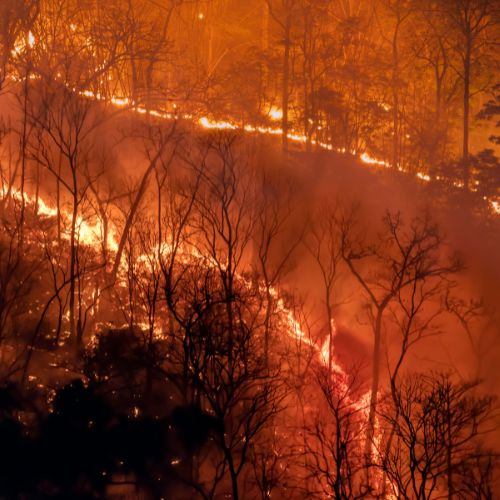
Climate change is causing an increase in the frequency and intensity of extreme weather events. Hurricanes, floods, heatwaves, droughts, and wildfires have become more common and more severe, leading to devastating consequences for both human populations and wildlife. These extreme events not only cause loss of life and property but also strain infrastructure and resources, making it harder for affected communities to recover.
Disruption of Ecosystems
Climate change is impacting ecosystems around the world. Rising temperatures, changes in precipitation patterns, and shifting seasons are altering habitats for countless species. In many cases, animals and plants are being forced to migrate to new areas in search of food, water, and shelter. Some species may not be able to adapt quickly enough, leading to extinction.
Impact on Agriculture and Food Security
The agricultural sector is directly affected by climate change. Changes in temperature and rainfall patterns, along with extreme weather events, threaten crop yields, livestock health, and food production. This disruption in food security could lead to widespread hunger, especially in developing countries that are most vulnerable to climate impacts.

Rising Sea Levels
As the polar ice caps continue to melt, the world’s oceans are rising at an accelerated rate. This phenomenon, combined with the thermal expansion of seawater caused by warming, has already led to the flooding of low-lying coastal areas. Small island nations and major coastal cities, such as Miami, Jakarta, and Tokyo, are at risk of disappearing beneath the rising tide.
Human Health Risks
The effects of climate change are not just environmental but also human. Rising temperatures and more frequent heatwaves increase the risk of heatstroke and dehydration. Air pollution, exacerbated by the burning of fossil fuels, has led to an increase in respiratory diseases such as asthma. Climate change is also linked to the spread of diseases carried by insects, such as malaria and dengue fever, as warmer temperatures allow these diseases to thrive in new regions.
How Climate Change Affects Communities Globally
While climate change is a global issue, its impacts are felt differently across various regions. Some communities are more vulnerable than others due to their geographical location, economic status, and infrastructure. Here’s a look at how different communities are affected:
- Coastal Communities: Rising sea levels and extreme weather events put coastal populations at a greater risk of flooding, property damage, and displacement. Many small island nations in the Pacific are facing the real threat of extinction due to rising ocean levels.
- Rural and Agricultural Communities: In many rural areas, particularly in Africa and Asia, agriculture is the backbone of the economy. Shifting rainfall patterns and extreme weather events make farming more unpredictable, threatening food security and livelihoods.
- Urban Populations: Large cities are facing heat island effects, where the concentration of buildings and infrastructure leads to higher temperatures. Cities also bear the brunt of pollution, which is exacerbated by climate change.

Taking Action Against Climate Change
The challenge of climate change requires collective action at all levels. Here are a few strategies that governments, businesses, and individuals can take to mitigate its effects:
Transitioning to Renewable Energy
One of the most critical steps in addressing climate change is reducing our reliance on fossil fuels. Investing in renewable energy sources such as solar, wind, and hydropower can significantly cut down on greenhouse gas emissions. These sustainable energy sources are abundant, cleaner, and have the potential to power the world without further harming the environment.
Promoting Energy Efficiency
Reducing energy consumption is just as important as finding alternative energy sources. By improving energy efficiency in industries, homes, and transportation, we can reduce overall emissions. This includes adopting energy-efficient appliances, improving building insulation, and transitioning to electric vehicles.
Reforestation and Sustainable Land Use
Protecting and restoring forests is crucial for combating climate change. Forests act as carbon sinks, absorbing CO2 from the atmosphere. Reforestation projects, as well as sustainable agriculture and land use practices, can help increase carbon storage and reduce emissions.
Policy Changes and International Agreements
Governments play a key role in combating climate change by enacting policies that limit emissions and support renewable energy development. International agreements like the Paris Agreement provide a framework for countries to reduce their greenhouse gas emissions and limit global warming to 1.5°C above pre-industrial levels.

Raising Awareness and Educating the Public
Raising awareness about the causes and effects of climate change is crucial for encouraging widespread action. Educational campaigns can motivate individuals to reduce their carbon footprint, support sustainable businesses, and demand action from political leaders.
Conclusion
The time to act on climate change is now. Every moment we delay increases the severity of its impact on our planet and future generations. By taking immediate and collective action—whether through policy changes, sustainable practices, or personal lifestyle adjustments—we can reduce the devastating effects of climate change and work towards a more resilient and sustainable future. It is clear that climate change will continue to challenge us, but with resolve, innovation, and global cooperation, we can meet this challenge head-on. The future of our planet depends on the choices we make today.

FAQs
1. What is climate change?
Climate change refers to long-term shifts in temperature, precipitation patterns, and other atmospheric conditions. It is primarily caused by human activities, such as burning fossil fuels, deforestation, and industrial processes, which release greenhouse gases (GHGs) into the atmosphere, leading to global warming and other environmental impacts.
2. How does human activity contribute to climate change?
Human activities, especially the burning of fossil fuels for energy, transportation, and industry, release carbon dioxide (CO2) and other greenhouse gases. These gases trap heat in the atmosphere, causing global temperatures to rise, leading to various environmental and social impacts like extreme weather events, rising sea levels, and changes in ecosystems.
3. What are the main causes of climate change?
The primary causes of climate change include the burning of fossil fuels (coal, oil, natural gas), deforestation, industrial emissions, and agricultural practices that release methane and nitrous oxide into the atmosphere. These activities increase the concentration of greenhouse gases, leading to the greenhouse effect and global warming.
4. How does climate change affect the planet?
Climate change affects the planet in many ways, including rising global temperatures, melting polar ice caps, rising sea levels, more frequent and severe extreme weather events (such as hurricanes, floods, and heatwaves), disruptions to ecosystems, and a threat to food security and human health.
5. What are the impacts of climate change on humans?
Climate change impacts humans in numerous ways, such as heat-related illnesses, respiratory issues from poor air quality, displacement due to extreme weather events, loss of crops and food insecurity, and the spread of diseases. Coastal communities are especially at risk due to rising sea levels.
6. What can governments do to address climate change?
Governments can implement policies to reduce emissions, such as promoting renewable energy sources, investing in energy efficiency, and enforcing regulations on industries to limit greenhouse gas emissions. International agreements like the Paris Agreement aim to unite countries to set and achieve climate goals globally.
7. How can individuals reduce their carbon footprint?
Individuals can reduce their carbon footprint by adopting energy-efficient practices, using public transportation or electric vehicles, reducing waste, supporting sustainable products, conserving water, and adopting a plant-based diet. Every small change contributes to a larger collective effort to combat climate change.
8. What are renewable energy sources, and how do they help climate change?
Renewable energy sources include solar, wind, hydropower, and geothermal energy. These energy sources do not emit greenhouse gases, unlike fossil fuels, making them a key solution to reducing global warming. Transitioning to renewable energy can significantly reduce the negative impacts of climate change.
9. What is the Paris Agreement, and how does it address climate change?
The Paris Agreement is an international treaty signed in 2015, in which countries around the world committed to limiting global warming to well below 2°C above pre-industrial levels, with efforts to limit it to 1.5°C. The agreement encourages nations to reduce their greenhouse gas emissions and take steps toward adapting to climate change impacts.
10. Is it too late to reverse the effects of climate change?
While some effects of climate change are already irreversible, it is not too late to prevent further damage. Immediate and significant action to reduce emissions, protect ecosystems, and transition to sustainable energy sources can slow the progression of climate change and help mitigate its most devastating impacts.
Leave a Reply