

Think about the last time you used shampoo, ate a packaged snack, or even charged your phone. Did you know that behind these everyday products, biochemistry plays a quiet but powerful role? While most of us think of biochemistry as something limited to textbooks and lab experiments, the truth is very different. Today, biochemistry innovations industry applications stretch far beyond classrooms and labs, shaping how industries—from healthcare to agriculture—function every single day.
For students, understanding this journey of biochemistry from laboratory experiments to real-world industry applications is exciting and motivating. It shows you how concepts you study in class have the power to transform industries, economies, and even our daily lives. So, let’s explore some of the most fascinating breakthroughs and see how they’ve gone from test tubes to real-world impact.
What Do We Mean by Biochemistry Innovations?
Biochemistry innovations aren’t just new discoveries; they are practical solutions developed by applying the principles of chemistry and biology. These innovations often begin as ideas in research labs and later evolve into technologies that industries adopt to solve real problems.
For example:
- Developing biodegradable plastics using plant-based materials.
- Designing enzymes that improve the shelf life of packaged food.
- Creating life-saving drugs through genetic engineering.
In short, these are not just scientific experiments but real solutions that improve the way we live.
Why Should Students Care About Biochemistry Innovations?
You might wonder, “Why should I, as a student, care about what industries are doing with biochemistry?” Here’s why:
- Career Opportunities – Industries in pharmaceuticals, agriculture, food, and renewable energy are constantly looking for people who understand biochemistry.
- Global Relevance – Many challenges like climate change, food security, and sustainable energy have biochemical solutions.
- Practical Connection – It helps you see the real-world application of what you’re studying in textbooks.
- Innovation Mindset – Learning how biochemistry is applied in industries pushes you to think creatively about solving everyday problems.
So, the next time you feel your biochemistry classes are just about memorizing pathways, remember—they are directly linked to solving some of the world’s most pressing issues.
Biochemistry Innovations Industry Applications
Now let’s walk through the most impactful biochemistry innovations industry applications that have transformed multiple sectors.
1. Healthcare and Pharmaceuticals: The Biochemical Revolution
Healthcare is one of the biggest beneficiaries of biochemistry innovations. Imagine if there were no antibiotics, vaccines, or diagnostic kits—modern medicine would look completely different.
- Drug Development: Biochemistry has made it possible to design drugs targeting specific molecules, reducing side effects and increasing effectiveness.
- Vaccines: From the polio vaccine to the rapid development of COVID-19 vaccines, biochemical research has saved millions of lives.
- Diagnostics: Blood tests, pregnancy tests, and even advanced genetic screening are based on biochemical techniques.
Student takeaway: If you’re interested in healthcare, biochemistry provides a strong foundation to enter careers in pharmaceuticals, biotechnology, or clinical research.
2. Agriculture: Feeding the World Smarter
Did you know that biochemistry plays a big role in making sure your food reaches your plate?
- Genetically Modified Crops: Crops are engineered to resist pests, tolerate drought, and provide higher yields.
- Biofertilizers: Instead of relying only on chemicals, industries now use microbial fertilizers that improve soil fertility.
- Pesticide Alternatives: Natural, biochemistry-based solutions are being developed to reduce the harmful effects of traditional pesticides.
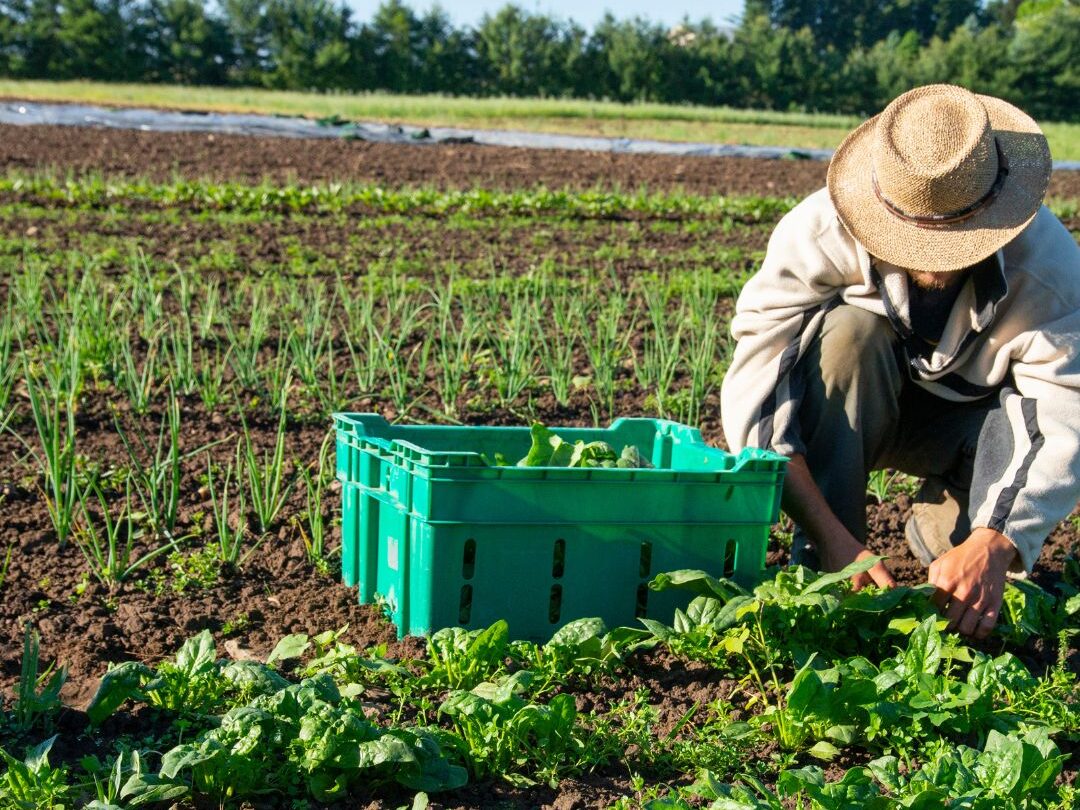
For students with an interest in sustainability, agriculture shows how biochemistry can directly address food security and environmental challenges.
3. Food Industry: More Than Just Taste
Ever wondered how bread stays soft for days or how packaged food doesn’t spoil quickly? The answer lies in biochemistry.
- Enzyme Technology: Enzymes are used to improve food texture, flavor, and preservation.
- Nutrient Fortification: Foods are enhanced with vitamins and minerals to improve nutrition.
- Fermentation: Biochemistry powers the fermentation of dairy, beverages, and even plant-based alternatives.
This field is particularly exciting because it combines science with something we all love—food!
4. Renewable Energy: Powering the Future with Biology
The global energy crisis has forced industries to look for alternatives, and biochemistry has stepped in with bio-based solutions.
- Biofuels: Ethanol and biodiesel made from plants and algae are replacing traditional fossil fuels.
- Biogas Production: Microorganisms break down waste to produce methane, which is then used as energy.
- Enzyme Engineering: New enzymes are being created to efficiently break down plant biomass for fuel production.
As a student, imagine being part of a team that creates clean fuel alternatives—this is the kind of future biochemistry makes possible.
5. Environmental Conservation: Cleaning Up the Mess
Pollution and waste management are massive global challenges, and biochemistry has surprising solutions.
- Bioremediation: Microorganisms are used to clean oil spills, heavy metal contamination, and industrial waste.
- Recycling Innovations: Biochemical processes can break down plastics into reusable raw materials.
- Carbon Capture: Some biochemical systems are being designed to capture carbon dioxide and reduce global warming.
This area highlights how science not only creates products but also heals the damage industries cause.
6. Cosmetics and Personal Care: Beauty Meets Science
Your shampoo, sunscreen, or moisturizer isn’t just a random mix of chemicals—it’s a carefully designed product of biochemistry.

- Skin-friendly Formulas: Biochemistry ensures that products are safe, effective, and stable.
- Biotech in Cosmetics: Enzymes and natural extracts are replacing synthetic ingredients.
- Anti-aging Innovations: Biochemical compounds are used in anti-aging products and sunscreens for better skin protection.
It’s fascinating to realize that something as simple as your skincare routine is influenced by advanced biochemistry.
7. Industrial Manufacturing: Smarter and Greener Production
Beyond the obvious industries, biochemistry also transforms how materials and goods are manufactured.
- Bioplastics: Created from renewable resources, they are biodegradable and reduce pollution.
- Enzyme Catalysis: Enzymes replace harsh chemicals in manufacturing processes, making them eco-friendly.
- Green Chemistry: Biochemistry innovations are promoting cleaner, safer industrial practices.
This area shows how industries are shifting toward sustainability without compromising efficiency.
What Skills Do Students Need to Be Part of This Change?
If these innovations excite you, you might be wondering—what does it take to be part of this future? Here are some important skills:
- Strong Basics – Understand concepts in chemistry, biology, and mathematics.
- Laboratory Skills – Learn how to handle instruments, analyze samples, and interpret data.
- Problem-Solving – Think about how to use biochemistry to solve real-world issues.
- Interdisciplinary Knowledge – Combine biochemistry with technology, engineering, or business to broaden opportunities.
- Curiosity – Always ask questions and seek better, more sustainable solutions.
Challenges and Future Scope of Biochemistry Innovations
It’s important to also look at the challenges:
- High research costs.
- Ethical debates (for example, GM crops or genetic engineering).
- The need for regulatory approval before products reach the market.
But the future is equally exciting:
- Personalized medicine tailored to an individual’s DNA.
- Lab-grown meat becoming mainstream.
- Plastic-eating microbes solving waste problems.
- Bio-based alternatives replacing almost every harmful chemical in industries.
For students, this means endless possibilities to contribute to innovations that directly impact humanity.
Conclusion
Biochemistry is no longer confined to research papers or classrooms—it is transforming entire industries and redefining how we live. From healthcare breakthroughs to eco-friendly fuels and smarter food production, biochemistry innovations industry applications are solving problems that matter globally.
As a student, this is your chance to see biochemistry not as a dry subject but as a powerful tool for change. Whether your interests lie in medicine, agriculture, energy, or even cosmetics, the applications are everywhere.
So the next time you walk into your biochemistry class, remember—you’re not just learning about molecules and reactions. You’re preparing to be part of a future where science and industry work together to create smarter, healthier, and more sustainable solutions for the world.
FAQs:
1. What are the top examples of biochemistry innovations in industry?
A few big ones are: new enzyme-based processes (for food, textiles, cleaning), genetically engineered crops with better yield or pest resistance, biofuels from algae/biomass, biodegradable plastics, and faster/more accurate diagnostics (blood tests, sensors, etc.). These show how biochemistry moves from the lab into everyday products.
2. How do biochemistry innovations industry applications affect everyday life?
They affect us in surprising ways. Think: the shampoo or detergent you use, how long your fruit lasts, how safe your food is, or what medicines are available. Even the fuel you drive or heat your home with can come from biofuels made via biochemical methods. These innovations often aim to improve efficiency, reduce waste, or be more eco-friendly.
3. What skills should I build now if I want to work in biochemistry in industry?
Some helpful ones are:
- Solid fundamentals in biology, chemistry, molecular biology.
- Lab skills: handling enzymes, running assays, measuring reactions, using tools.
- Data analysis skills: be comfy with interpreting results, doing statistics or basic computational work.
- Creativity + problem solving: industries often need solutions, not just theory.
- Communication skills & teamwork: turning lab work into usable products means you’ll often work with non-scientists, engineers, business people.
4. What are the challenges in turning lab discoveries into industrial products?
Some of the main challenges are cost (scaling up from small experiments to mass production is expensive), stability (e.g. enzymes, biological molecules often behave differently outside carefully controlled lab settings), regulatory approvals (especially in healthcare, food, environment), ethical/social concerns (GM crops, genetically engineered organisms), and sometimes the technology just doesn’t scale well or isn’t economically viable yet.
5. How is biochemistry used in drug development and diagnostics?
Biochemistry provides the toolkit to understand what causes a disease at molecular level. In drug development, this means identifying targets (proteins, enzymes, receptors), designing molecules to hit those targets, testing how drugs behave, their safety, and how the body metabolizes them. In diagnostics, biochemical methods enable detecting disease-markers (like proteins, DNA, small molecules) early, reliably and often cheaply (blood tests, sensors, kits).
Disclaimer:
The information provided in this blog is for general informational and educational purposes only. Mantech Publications is not affiliated, associated, authorized, endorsed by, or in any way officially connected with any brands, companies, organizations, or institutions mentioned in the content. The views and opinions expressed in the blog posts are solely those of the individual authors and do not necessarily reflect the official policy, position, or opinions of Mantech Publications. While efforts are made to ensure the accuracy and reliability of the information provided, Mantech Publications and its management accept no responsibility or liability for any loss, damage, or inconvenience caused as a result of reliance on the material published on this website.
Leave a Reply