

High blood pressure, also known as hypertension, is a growing health concern worldwide. It can silently damage the heart and other organs, making it vital to manage it effectively. While modern medicine offers various treatment options, many people are turning to Ayurvedic remedies for high blood pressure due to their holistic approach and natural healing properties. Ayurveda, an ancient system of medicine from India, emphasizes restoring balance to the body through diet, lifestyle, and natural therapies.
In this article, we will explore some of the most effective Ayurvedic remedies for high blood pressure that have been used for centuries. These remedies aim to not only control blood pressure but also promote overall health and well-being.

Understanding High Blood Pressure and Ayurveda
High blood pressure occurs when the force of blood against the walls of your arteries is consistently too high. It can lead to serious health issues like heart disease, stroke, and kidney problems. In Ayurveda, high blood pressure is often linked to an imbalance in the doshas, particularly Pitta and Vata. Pitta represents the fiery and energetic aspects of the body, while Vata governs the movement and circulation of blood.
Ayurvedic remedies for high blood pressure focus on balancing these doshas through natural methods such as herbs, lifestyle changes, and dietary adjustments. These Ayurvedic remedies for high blood pressure not only help lower blood pressure but also address the root causes of hypertension, such as stress, poor circulation, and imbalanced body energy.
When seeking Ayurvedic remedies for high blood pressure, one can consider natural herbs like Ashwagandha and Arjuna, both of which are known for their beneficial effects on cardiovascular health. These Ayurvedic remedies for high blood pressure help by reducing inflammation, promoting healthy blood flow, and calming the mind.
Incorporating lifestyle changes, such as regular yoga and meditation, can further enhance the effectiveness of Ayurvedic remedies for high blood pressure. By managing stress and increasing physical activity, these holistic approaches promote long-term health and well-being.
For anyone struggling with high blood pressure, Ayurvedic remedies for high blood pressure offer a natural and effective way to regain balance and achieve better health. The focus on balancing doshas and using herbs provides a comprehensive solution to not only treat high blood pressure but also prevent it from recurring.
Ashwagandha: A Natural Stress Reliever
One of the most popular Ayurvedic remedies for high blood pressure is Ashwagandha (Withania somnifera), also known as Indian ginseng. It is renowned for its ability to reduce stress and anxiety, which are major contributors to high blood pressure. Ashwagandha works by lowering cortisol levels in the body, which helps in maintaining a healthy blood pressure.
Ashwagandha is an adaptogen, meaning it helps the body cope with stress more effectively. Regular consumption of Ashwagandha can have a calming effect on the nervous system, leading to improved cardiovascular health. Studies suggest that it can significantly reduce systolic and diastolic blood pressure.
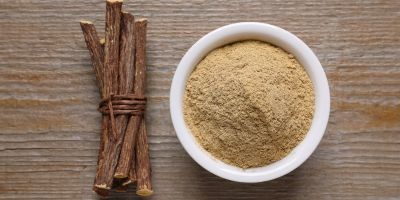
Arjuna: The Heart Herb
Arjuna (Terminalia arjuna) is an herb widely used in Ayurvedic medicine for heart-related issues, including high blood pressure. It strengthens the heart muscles, improves blood circulation, and reduces the risk of heart disease. Arjuna is known for its ability to regulate blood pressure by improving the functioning of the heart and blood vessels.
Arjuna’s natural compounds, such as flavonoids and tannins, help in dilating the blood vessels, which allows blood to flow more easily. This action can help reduce the strain on the heart, thereby lowering blood pressure levels.
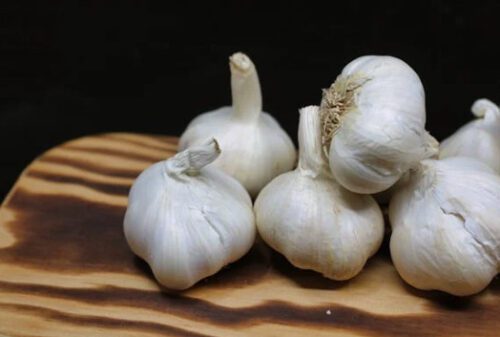
Garlic: A Natural Blood Pressure Regulator
Garlic is a common kitchen herb that is also a powerful Ayurvedic remedy for high blood pressure. It has been used in Ayurveda for centuries due to its ability to promote cardiovascular health. Garlic contains allicin, a compound known for its ability to reduce blood pressure by relaxing the blood vessels.
Consuming garlic regularly can help reduce both systolic and diastolic blood pressure levels. Whether consumed raw or in supplement form, garlic can be an effective and natural remedy for managing high blood pressure.
Triphala: A Detoxifying Powerhouse
Triphala, a combination of three fruits—Amalaki (Indian gooseberry), Bibhitaki, and Haritaki—is a staple in Ayurvedic medicine. This powerful herbal remedy is known for its detoxifying properties, and it plays a significant role in managing high blood pressure.
Triphala helps in balancing all three doshas (Vata, Pitta, and Kapha), which is crucial for maintaining healthy blood pressure. It supports digestion, improves circulation, and promotes detoxification, all of which contribute to lowering blood pressure levels.
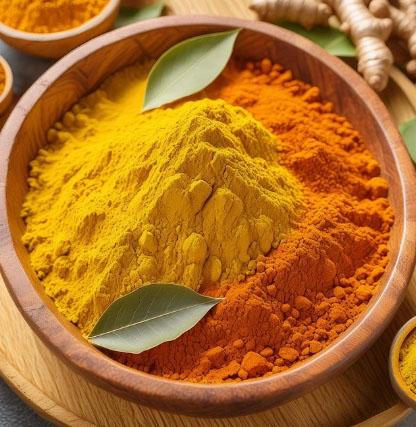
Turmeric: A Natural Anti-Inflammatory Agent
Turmeric, particularly its active compound curcumin, is widely recognized for its anti-inflammatory properties. In Ayurveda, turmeric is considered an effective Ayurvedic remedy for high blood pressure due to its ability to reduce inflammation in the blood vessels. Inflammation is a known factor that contributes to high blood pressure and cardiovascular diseases.
By reducing inflammation, turmeric can help in improving blood flow and reducing the overall strain on the cardiovascular system. Adding turmeric to your diet regularly can support heart health and regulate blood pressure.
Brahmi: A Brain and Heart Tonic
Brahmi (Bacopa monnieri) is an herb known for its ability to enhance brain function and reduce stress. As stress is a major contributor to high blood pressure, Brahmi is an excellent Ayurvedic remedy for high blood pressure. It promotes mental clarity, calmness, and emotional balance, which in turn can help in regulating blood pressure levels.
Brahmi is particularly beneficial for those experiencing hypertension due to anxiety, stress, or mental strain. It has a soothing effect on the nervous system, reducing the impact of stress on blood pressure.
Celery Seeds: An Effective Diuretic
Celery seeds have been used in traditional Ayurvedic medicine for various ailments, including high blood pressure. These seeds are known for their diuretic properties, meaning they help the body eliminate excess sodium and water. Reducing sodium levels is essential for controlling blood pressure.
Celery seeds also have a relaxing effect on the smooth muscles of the blood vessels, which can contribute to lowering blood pressure. Drinking celery seed tea or adding the seeds to your diet can be an effective way to manage hypertension.
Cardamom: A Flavorful Heart Helper
Cardamom is a fragrant spice that is commonly used in Ayurvedic medicine to improve digestion and support heart health. It has mild diuretic properties, which help in lowering blood pressure by reducing fluid retention in the body.
Cardamom also has a calming effect on the nervous system, which can help lower stress levels. Stress reduction is vital in managing high blood pressure, and cardamom can be a flavorful addition to your Ayurvedic remedies for high blood pressure.
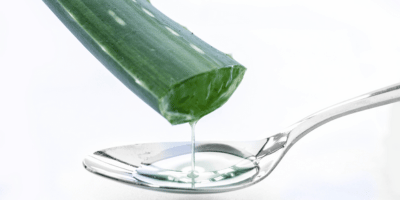
Aloe Vera: A Hydrating Remedy for Hypertension
Aloe vera is known for its hydrating properties, but it also plays a significant role in reducing high blood pressure. It contains compounds that help to dilate blood vessels, improving blood flow and lowering pressure on the heart.
Aloe vera can be consumed in the form of juice or gel, which helps detoxify the body and maintain proper hydration. Staying hydrated is essential for controlling blood pressure, and aloe vera can be an effective natural remedy.
Lifestyle Changes and Dietary Adjustments
While herbs and natural remedies play a crucial role in managing high blood pressure, Ayurveda also emphasizes the importance of lifestyle changes and dietary adjustments. To complement Ayurvedic remedies for high blood pressure, consider the following tips:
Dietary Recommendations
- Reduce salt intake: Excessive salt can contribute to high blood pressure. Reducing salt in your diet can help prevent hypertension.
- Eat more potassium-rich foods: Potassium helps balance the effects of sodium in the body. Include foods like bananas, spinach, and potatoes in your diet.
- Increase fiber intake: A high-fiber diet can support heart health and regulate blood pressure.
- Avoid processed foods: Processed foods are often high in sodium and unhealthy fats, both of which contribute to high blood pressure.

Lifestyle Tips
- Exercise regularly: Physical activity helps maintain a healthy weight and promotes blood circulation, both of which are crucial for controlling blood pressure.
- Practice yoga and meditation: Ayurveda recommends incorporating relaxation techniques such as yoga and meditation to reduce stress and lower blood pressure.
- Get adequate sleep: Sleep is essential for overall health. Poor sleep can contribute to elevated blood pressure levels.

Conclusion
Managing high blood pressure naturally through Ayurvedic remedies for high blood pressure can be an effective approach to promote overall well-being and heart health. Herbs like Ashwagandha, Arjuna, and Brahmi, combined with lifestyle changes, can help restore balance in the body and keep blood pressure under control.
However, it’s important to remember that Ayurvedic remedies for high blood pressure work best when complemented by a healthy diet and regular physical activity. Always consult with an Ayurvedic practitioner or healthcare provider before starting any new remedy or making significant changes to your lifestyle. By embracing Ayurveda’s holistic approach, you can manage your blood pressure effectively and enhance your quality of life.
FAQs
1. What is Ayurveda’s approach to managing high blood pressure?
Ayurveda focuses on balancing the body’s doshas (Vata, Pitta, and Kapha) to address the root causes of high blood pressure. It emphasizes using natural herbs, dietary adjustments, stress management, and lifestyle changes to restore balance and promote cardiovascular health.
2. How does Ashwagandha help in lowering high blood pressure?
Ashwagandha is an adaptogen that helps the body cope with stress, a major contributor to high blood pressure. By reducing stress and lowering cortisol levels, Ashwagandha promotes relaxation and helps in regulating blood pressure.
3. What is Arjuna and how does it help manage hypertension?
Arjuna is an herb known for its heart-strengthening properties. It helps improve blood circulation, supports the functioning of the heart muscles, and reduces blood pressure by dilating blood vessels, making it an effective Ayurvedic remedy for high blood pressure.
4. Can garlic be used as an Ayurvedic remedy for high blood pressure?
Yes, garlic contains allicin, a compound that helps reduce blood pressure by relaxing blood vessels and improving blood flow. Consuming garlic regularly can contribute to managing hypertension.
5. What is Triphala and how does it help with high blood pressure?
Triphala is a combination of three fruits (Amalaki, Bibhitaki, and Haritaki) known for their detoxifying and balancing properties. It helps improve digestion, supports circulation, and promotes overall health, which can contribute to lowering blood pressure.
6. Is turmeric effective for reducing high blood pressure?
Yes, turmeric contains curcumin, which has anti-inflammatory properties. By reducing inflammation in the blood vessels, turmeric helps improve blood circulation and regulate blood pressure levels.
7. How does Brahmi work in reducing high blood pressure?
Brahmi is known for its calming and stress-reducing effects. As stress is a major contributor to hypertension, Brahmi helps relax the nervous system, which aids in lowering blood pressure and promoting overall heart health.
8. Are there any dietary recommendations for managing high blood pressure in Ayurveda?
Yes, Ayurveda suggests a balanced diet that includes potassium-rich foods (like bananas and spinach), reduces salt intake, increases fiber, and avoids processed foods. These dietary changes support heart health and help regulate blood pressure.
9. How can lifestyle changes complement Ayurvedic remedies for high blood pressure?
Lifestyle changes such as regular exercise, practicing yoga and meditation, maintaining a healthy sleep routine, and managing stress are all crucial in controlling blood pressure. These changes complement Ayurvedic remedies for high blood pressure and promote overall well-being.
10. Can Ayurvedic remedies alone manage high blood pressure, or should they be used with modern treatments?
While Ayurvedic remedies for high blood pressure can be effective, it’s essential to consult a healthcare professional. Combining Ayurveda with modern treatments can provide a comprehensive approach, especially for severe cases of hypertension. Always seek personalized guidance from a healthcare provider before starting any new treatment.
Leave a Reply