

Astrology, the study of celestial bodies and their movements in relation to human affairs, has fascinated humanity for centuries. People often look to astrology to find guidance, uncover their strengths, and even gain a sense of purpose. Through this blog, we’ll explore what astrology truly entails, how it has influenced human lives for generations, and how it continues to shape our beliefs, practices, and self-understanding. So, whether you’re a skeptic or a firm believer, you’re bound to find something intriguing about this ancient practice.
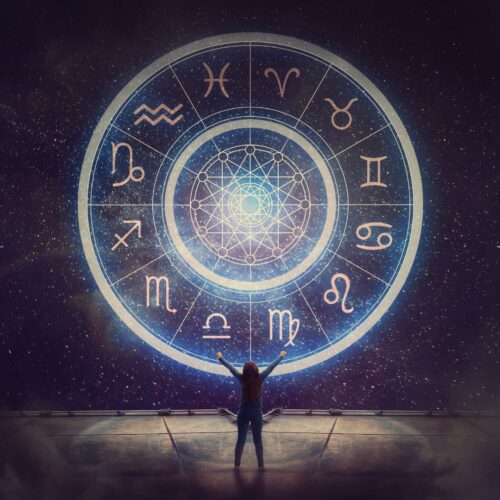
Table of Contents
- Understanding the Basics of Astrology
- Astrology Through History: How It Evolved
- The Connection Between Zodiac Signs and Personality
- Astrology and Decision-Making: A Guide to Life Choices
- Astrology in Modern Times: Popularity and Criticism
- Conclusion: Why Astrology Continues to Be Relevant
Understanding the Basics of Astrology
Astrology is an ancient practice that interprets the alignment of stars, planets, and other celestial bodies to gain insights into human life. One of the most recognized aspects of astrology is the study of zodiac signs, which assigns individuals one of twelve signs based on the position of the Sun at the time of their birth. Each zodiac sign is connected to specific characteristics, strengths, and challenges, offering a unique perspective on an individual’s personality.
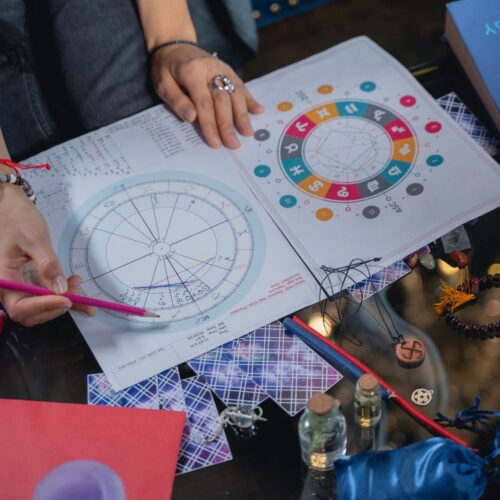
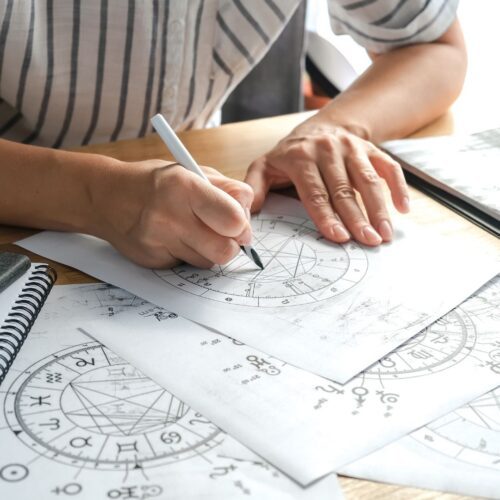
However, astrology goes beyond just reading daily horoscopes. It is a complex field that involves various systems and calculations. For instance, astrologers examine an individual’s natal chart or birth chart to interpret how the positioning of planets and other celestial bodies could influence personality traits, emotional responses, and possible future events.
Astrology Through History: How It Evolved
Astrology has roots that stretch back thousands of years, with early evidence found in ancient civilizations such as Babylon, Egypt, and Greece. Historically, astrology was intertwined with astronomy, as ancient people believed that the positioning of stars and planets was directly connected to human experiences.
During the Renaissance, astrology reached a peak of popularity, influencing monarchs, politicians, and intellectuals alike. Astrology played a role in decision-making for leaders, guiding strategies for battle and governance. Over time, however, scientific advancements in astronomy led to a clearer distinction between scientific study and astrology, gradually positioning astrology as a cultural rather than scientific practice.
The Connection Between Zodiac Signs and Personality
One of the most popular aspects of astrology is the belief that zodiac signs reveal personality traits. According to astrologers, each of the twelve zodiac signs reflects certain characteristics:
- Aries (March 21 – April 19): Known for energy, courage, and a pioneering spirit.
- Taurus (April 20 – May 20): Associated with reliability, patience, and love for comfort.
- Gemini (May 21 – June 20): Known for adaptability, communication, and intellectual curiosity.
- Cancer (June 21 – July 22): Often empathetic, nurturing, and protective.
- Leo (July 23 – August 22): Reflects confidence, charisma, and leadership.
- Virgo (August 23 – September 22): Known for attention to detail, organization, and practicality.
- Libra (September 23 – October 22): Emphasizes balance, harmony, and sociability.
- Scorpio (October 23 – November 21): Known for passion, determination, and intensity.
- Sagittarius (November 22 – December 21): Represents optimism, adventure, and independence.
- Capricorn (December 22 – January 19): Known for discipline, ambition, and resilience.
- Aquarius (January 20 – February 18): Reflects innovation, idealism, and humanitarianism.
- Pisces (February 19 – March 20): Often seen as empathetic, artistic, and intuitive.
Astrology suggests that knowing your zodiac sign and its corresponding traits can help individuals recognize their strengths and areas to improve. For some, understanding their astrological profile provides a deeper sense of self-awareness.
Astrology and Decision-Making: A Guide to Life Choices
Astrology isn’t just about self-awareness; many people consult astrology to guide their life decisions. Whether choosing a career, embarking on a new relationship, or planning important life events, astrology can offer insights based on planetary transits and specific timings.
Astrology for Career Choices
Some people use astrology to determine which career paths align with their personality traits and strengths. For example, Aries individuals may excel in competitive environments, while Virgo personalities might gravitate toward detail-oriented fields like data analysis or research.
Astrology for Relationships
Astrology also extends to compatibility analysis. By comparing two birth charts, astrologers can assess relationship dynamics, identifying potential strengths and challenges. Although astrology doesn’t guarantee relationship success, it may highlight areas to focus on for better communication and understanding.
Astrology for Health and Wellness
Certain astrological signs are believed to be associated with specific physical and mental tendencies. For instance, sensitive signs like Cancer and Pisces may be more prone to emotional challenges, while strong-willed signs like Taurus may have a more resilient constitution.
Astrology in Modern Times: Popularity and Criticism
Astrology has seen a resurgence in recent years, particularly with the rise of the internet and social media platforms. Astrology apps and websites offer instant insights, and countless influencers and astrologers provide free content for users curious about their astrological profiles.
The Appeal of Astrology in a Digital Age
People today often turn to astrology as a source of comfort, especially in uncertain times. By providing explanations for life’s events, astrology can help people make sense of their experiences. Astrology can feel personal and insightful, offering a sense of control in a world that often feels unpredictable.
Criticism and Skepticism
While astrology has an enduring fanbase, it also faces criticism from skeptics and scientists. The main critique centers around the lack of empirical evidence supporting astrology’s claims. Since it’s not grounded in scientific methodology, many scientists dismiss astrology as a pseudoscience. Despite this, astrology’s popularity endures, showing that its value to people isn’t necessarily tied to its scientific validity.
Conclusion
Astrology’s timeless appeal lies in its capacity to provide comfort, insights, and a sense of purpose. For those seeking guidance or simply looking for ways to understand themselves better, astrology offers an accessible way to explore personality traits, relationships, and even potential life paths. Whether you view astrology as a tool for self-reflection or a symbolic system to be interpreted, its influence remains undeniable. The mystery of astrology captivates millions, and its role in human culture shows no signs of fading away.
FAQs
1. What is astrology?
Astrology is the study of celestial bodies like planets and stars and their influence on human affairs. It is based on the belief that the positions and movements of celestial bodies can offer insights into a person’s personality, relationships, career, and other aspects of life.
2. How does astrology work?
Astrology works by analyzing the positions of celestial bodies at the time of your birth. This information is used to create a birth or natal chart, which astrologers interpret to provide insights into various aspects of your life, such as your strengths, weaknesses, and potential life events.
3. What are zodiac signs?
Zodiac signs are astrological symbols that represent different periods of the year. There are twelve zodiac signs, each corresponding to a specific time frame and associated with certain personality traits. Your zodiac sign is determined by the position of the Sun when you were born.
4. Can astrology predict the future?
Astrology can provide insights into potential future events, but it does not offer definitive predictions. Astrologers analyze planetary movements and transits to suggest possible outcomes, but free will and individual choices play a significant role in shaping the future.
5. Is astrology scientifically proven?
While astrology has been practiced for thousands of years, it is not scientifically proven. Many consider astrology a pseudoscience because its principles lack empirical evidence. However, astrology remains popular for its cultural, psychological, and symbolic value.
6. What is a natal chart?
A natal chart (also called a birth chart) is a map of where the planets were located at the exact moment of your birth. It includes information on your Sun sign, Moon sign, and rising sign, along with the positions of all other celestial bodies. This chart is used to understand your personality and life path.
7. What is the difference between sun sign, moon sign, and rising sign?
- Sun Sign: Represents your core personality and identity, determined by the position of the Sun at your birth.
- Moon Sign: Represents your emotions, instincts, and subconscious, based on the Moon’s position.
- Rising Sign (Ascendant): Reflects the image you present to the world, based on the sign that was rising on the eastern horizon at the time of your birth.
8. How can astrology be used for relationship compatibility?
Astrology can help assess relationship compatibility by comparing the birth charts of two individuals. By examining the placement of planets and how they interact with each other, astrologers can determine strengths and potential challenges in relationships.
9. Is it necessary to believe in astrology to benefit from it?
No, you don’t have to fully believe in astrology to enjoy its benefits. Many people use astrology as a tool for self-reflection, entertainment, or to find guidance during uncertain times, regardless of their belief in its scientific validity.
10. How accurate are astrology readings?
The accuracy of astrology readings depends on several factors, such as the skill of the astrologer and the precision of the birth chart information. While some people find astrology readings to be very accurate, others may view them as more symbolic or general in nature. Ultimately, it depends on individual interpretation.
Leave a Reply