

Have you ever wondered how your body knows when to fight off a cold, a virus, or even something more serious like cancer? The secret lies in your immune system, a natural defense network that works silently every single day. But here’s the exciting part: scientists are now not just studying how the immune system works, they are also finding ways to use it to diagnose diseases faster and treat them more effectively. This is where applied immunology steps in.
In simple words, applied immunology takes the science of immunity and turns it into practical solutions—whether that’s better blood tests, advanced vaccines, or even therapies that teach your body to destroy cancer cells. In this blog, we’re going to explore some of the new diagnostic tools and therapies being shaped by applied immunology.
If you’re a student curious about medicine, biology, or healthcare technology, this journey will give you a fresh look at how the immune system is being transformed into a powerful ally against diseases.
What Is Applied Immunology All About?
At its core, applied immunology is about putting immune system knowledge into practice. Instead of just asking “how does the immune system work?”, scientists ask, “how can we use it to help people?”
Think of it like this:
- Basic immunology is learning the rules of the game.
- Applied immunology is actually playing the game to win.
And the ways it’s being applied today are mind-blowing—from rapid tests for infections to therapies that cure conditions once thought untreatable.
Why Do We Need New Diagnostic Tools and Therapies?
You might be wondering: don’t we already have enough tests and treatments? The truth is, while medicine has come a long way, many current tools still face challenges.
- Some diseases, like autoimmune disorders, are hard to diagnose early.
- Many treatments come with serious side effects.
- Emerging diseases (like COVID-19) remind us that we need fast, adaptable testing.
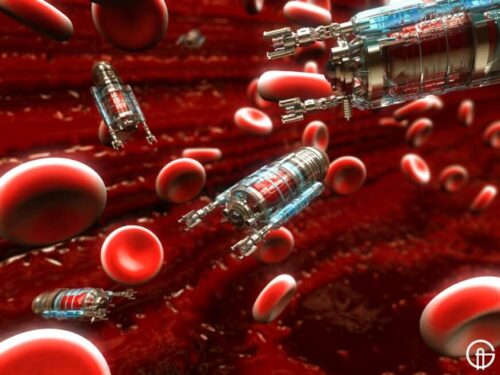
This is why applied immunology is so important right now—it gives us smarter tools and more personalized therapies.
Applied Immunology Diagnostic Tools Therapies: The Big Innovations
Let’s look at the breakthroughs making headlines in this field.
1. Point-of-Care Tests: Faster Answers at Your Fingertips
Imagine going to a clinic with a fever and walking out within minutes knowing whether it’s malaria, dengue, or a bacterial infection. That’s the power of point-of-care immunology tests.
- These tests use antibodies to detect pathogens quickly.
- They’re portable, easy to use, and don’t always require a lab.
- Examples include rapid COVID-19 antigen tests or pregnancy kits.
For students, think of them as “immune system shortcuts” that give doctors quick clues without long waiting times.
2. Flow Cytometry: The Immune System Under a Microscope
Flow cytometry may sound intimidating, but it’s basically a tool that counts and studies different immune cells in your blood.
- Doctors use it to diagnose blood cancers like leukemia.
- It helps track immune responses in patients with HIV or after organ transplants.
- It’s like checking the lineup of your immune army and seeing if something’s off.
Without applied immunology, we wouldn’t have such precise tools to analyze diseases at a cellular level.
3. Immunotherapy for Cancer: Training the Body to Fight Back
This is one of the most exciting areas of applied immunology therapies. Instead of using harsh chemicals like chemotherapy, immunotherapy uses the body’s own immune cells to attack cancer.
Some approaches include:
- Checkpoint inhibitors: These remove the “brakes” from immune cells so they can target tumors.
- CAR-T cell therapy: Doctors reprogram a patient’s T-cells to hunt down cancer cells.
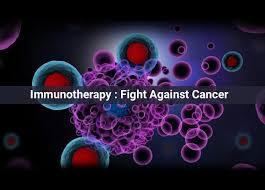
For students, imagine reprogramming your immune system like updating the software on your phone—it suddenly gets new powers to fight threats it couldn’t handle before.
4. Monoclonal Antibodies: Precision Medicine in Action
Monoclonal antibodies are lab-made molecules that act like “guided missiles.” They’re designed to stick to a very specific target in the body.
- They can block viruses from entering cells.
- They’re used in autoimmune conditions like rheumatoid arthritis.
- Some are life-saving in cancer therapy.
Because they are so targeted, they often cause fewer side effects than traditional drugs.
5. Vaccines 2.0: Smarter Ways to Build Immunity
Most of us know vaccines as shots we get as kids, but applied immunology has taken them to a whole new level.
- mRNA vaccines (like Pfizer and Moderna for COVID-19) were created faster than any vaccines before.
- They can be easily updated for new variants.
- Research is ongoing for vaccines against HIV, malaria, and even some cancers.
These new vaccines show how applied immunology can change the way humanity fights global diseases.
6. Biomarker-Based Diagnostics: Personalized Health Clues
A biomarker is like a health fingerprint—it could be a protein, a type of cell, or a molecule in your blood that signals disease.
- In cancer, biomarkers help identify the exact type of tumor.
- In infections, they can reveal if it’s viral or bacterial.
- In autoimmune disorders, they help detect early warning signs.
This makes medicine personalized, meaning treatments can be designed just for you.
7. Stem Cell and Gene-Based Immune Therapies
The cutting edge of applied immunology is combining it with stem cells and gene editing.
- Gene editing tools like CRISPR allow scientists to fix faulty immune genes.
- Stem cell therapies can rebuild damaged immune systems, like in bone marrow transplants.
Though still developing, these therapies give hope to patients with rare genetic immune disorders.
How Do These Innovations Affect Students?
Now you might be thinking: why should I, as a student, care about these tools and therapies?
Here are some reasons:
- Career Opportunities – Applied immunology is booming, creating jobs in research, biotech, and medicine.
- Everyday Relevance – From vaccines to rapid tests, you’re already seeing its impact.
- Future Innovation – Students today could be the ones developing the next generation of therapies.

So, whether you’re into biology, medicine, or even technology, applied immunology could shape your future.
Challenges in Applied Immunology
Of course, it’s not all smooth sailing. Some of the biggest challenges include:
- High cost of new therapies like CAR-T cell treatment.
- Ethical concerns around genetic editing.
- The need for equal access, especially in developing countries.
But these challenges also create opportunities for young researchers and innovators to step in with creative solutions.
The Future of Applied Immunology: What’s Next?
Looking ahead, applied immunology is likely to bring us:
- Wearable devices that monitor immune health in real time.
- Personalized vaccines made just for your genetic makeup.
- AI-driven diagnostics that predict diseases before symptoms even appear.
The exciting part? Many of you reading this could be directly involved in building that future.
Takeaway
Applied immunology is no longer just something you read about in textbooks. It’s a living, breathing field that’s transforming how we diagnose, prevent, and treat diseases. From rapid diagnostic kits to life-saving immunotherapies, it’s proving that our immune system can be the strongest tool in modern medicine.
For students, this is more than just science—it’s an invitation to be part of something revolutionary. Whether you end up in research, healthcare, or technology, the world of applied immunology diagnostic tools therapies will continue to shape the future of human health.
So, the next time you roll up your sleeve for a vaccine or hear about a new cancer therapy on the news, remember: it’s all part of applied immunology at work.
FAQs:
Q1. What is applied immunology in simple words?
Applied immunology is the use of immune system knowledge to create real-life solutions like vaccines, diagnostic tests, and new therapies for diseases.
Q2. How are new diagnostic tools in immunology improving healthcare?
New tools, like rapid tests and biomarker-based diagnostics, allow doctors to detect diseases faster, more accurately, and sometimes even before symptoms appear.
Q3. What are some examples of applied immunology therapies?
Examples include cancer immunotherapy (like CAR-T cells), monoclonal antibodies, and advanced vaccines such as mRNA vaccines.
Q4. Why are immunology-based therapies considered better than traditional treatments?
Unlike traditional treatments, immunology-based therapies are more precise, often with fewer side effects, because they target the immune system directly.
Q5. What is the future of applied immunology diagnostic tools therapies?
The future includes AI-powered diagnostics, personalized vaccines, and gene-based immune treatments, making healthcare more personalized and effective.
Disclaimer:
The information provided in this blog is for general informational and educational purposes only. Mantech Publications is not affiliated, associated, authorized, endorsed by, or in any way officially connected with any brands, companies, organizations, or institutions mentioned in the content. The views and opinions expressed in the blog posts are solely those of the individual authors and do not necessarily reflect the official policy, position, or opinions of Mantech Publications. While efforts are made to ensure the accuracy and reliability of the information provided, Mantech Publications and its management accept no responsibility or liability for any loss, damage, or inconvenience caused as a result of reliance on the material published on this website.
Leave a Reply