
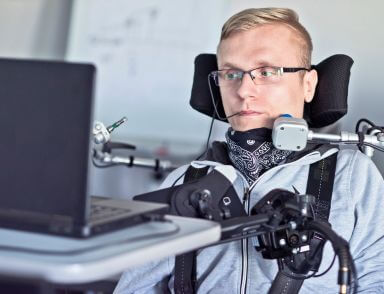
AI in Special Education: Revolutionizing Learning for Special Needs Children
Artificial intelligence (AI) is no longer just a futuristic concept; it’s a reality that is rapidly transforming various aspects of our lives, including education. For children with special needs, AI holds the potential to revolutionize learning by providing personalized experiences, enhancing accessibility, and supporting educators in ways that were previously unimaginable. However, as with any powerful tool, there are challenges and potential consequences that come with integrating AI into special education. In this blog, we’ll explore how AI contributes to the education of special needs children, the benefits it brings, the challenges of implementation, and the potential consequences of its widespread use.
How AI Contributes to Special Education
AI’s contribution to special education can be seen in several key areas:
- Personalized Learning: AI enables the creation of highly personalized learning experiences tailored to the unique needs of each student. By analyzing data such as a student’s academic performance, behavior, and learning pace, AI systems can adapt lessons to suit individual learning styles, making education more effective and engaging for special needs children.
- Enhanced Communication: Communication is often a significant challenge for special needs children, especially those with speech and language impairments. AI-driven tools, such as speech recognition software and augmentative and alternative communication (AAC) devices, help bridge this gap by enabling students to communicate more effectively. These tools can predict what a student is trying to say, suggest words or phrases, and even help non-verbal students express themselves.
- Assistive Technology for Accessibility: AI-powered assistive technologies make learning materials more accessible to students with physical or sensory disabilities. For example, screen readers convert text to speech for visually impaired students, while real-time captioning tools provide subtitles for students who are deaf or hard of hearing.
- Early Detection and Intervention: AI can help identify learning disabilities, developmental delays, or behavioral issues at an early stage. By analyzing patterns in a child’s behavior or academic performance, AI can flag potential issues, allowing for timely interventions that can significantly improve educational outcomes.
- Supporting Educators: AI tools can reduce the workload of special education teachers by automating routine tasks such as grading and tracking progress. This allows educators to focus more on personalized instruction and direct interaction with students, thereby improving the overall quality of education.
Benefits of AI in Special Education
The integration of AI into special education offers several significant benefits:
- Individualized Attention: AI allows for the customization of learning experiences to meet the specific needs of each student, ensuring that no child is left behind. This individualized attention can lead to better learning outcomes, as students are taught in ways that align with their strengths and address their weaknesses.
- Improved Accessibility: AI-driven tools make educational content more accessible, enabling students with disabilities to participate fully in the learning process. This inclusivity ensures that all students, regardless of their physical or cognitive abilities, have access to the same educational opportunities.
- Enhanced Communication: AI-powered communication tools empower students with speech and language impairments to express themselves more effectively, fostering better social interactions and participation in classroom activities.
- Timely Interventions: AI’s ability to detect issues early on allows for interventions that can prevent small challenges from becoming significant barriers to learning. This proactive approach can make a substantial difference in the educational trajectory of special needs children.
- Efficient Use of Resources: By automating administrative tasks, AI frees up valuable time for educators, allowing them to focus more on teaching and less on paperwork. This efficiency can lead to a more supportive learning environment for students.
Challenges of Implementing AI in Special Education
Despite its potential, implementing AI in special education is not without challenges:
- High Costs: Developing and maintaining AI-powered tools can be expensive, making them inaccessible for some schools, particularly those in underfunded areas. The cost of hardware, software, and ongoing technical support can be prohibitive, limiting the widespread adoption of AI in special education.
- Lack of Training: Educators need specialized training to effectively use AI tools in the classroom. Without proper training, teachers may struggle to integrate AI into their teaching practices, potentially leading to ineffective or inappropriate use of the technology.
- Data Privacy Concerns: AI systems often rely on large amounts of data to function effectively. In the context of special education, this data can include sensitive information about a student’s disabilities, learning challenges, and behavior. Ensuring that this data is securely stored and used ethically is a significant concern.
- Bias in AI Systems: AI systems are only as good as the data they are trained on. If the data used to train AI systems is biased, the AI may perpetuate these biases, leading to unfair treatment of certain students. For example, if an AI system is not trained on diverse datasets, it may not accurately understand or support the needs of all special needs children.
- Over-reliance on Technology: While AI can enhance the learning experience, there is a risk that over-reliance on technology could diminish the role of human educators. The personal connection and empathy that teachers bring to the classroom are irreplaceable, particularly in special education, where students often require emotional support in addition to academic instruction.
Consequences of AI in Special Education
The consequences of integrating AI into special education are complex and multifaceted:
- Positive Consequences:
- Increased Learning Outcomes: With AI providing personalized and adaptive learning experiences, students may achieve better educational outcomes, leading to higher levels of academic success.
- Greater Inclusion: AI can help create more inclusive classrooms where students with disabilities have equal access to educational opportunities, fostering a more equitable learning environment.
- Empowered Educators: By automating routine tasks, AI allows educators to focus on what they do best—teaching. This can lead to more effective instruction and better support for special needs students.
- Negative Consequences:
- Digital Divide: The high cost of AI technology may exacerbate existing inequalities in education, with wealthier schools having access to advanced tools while underfunded schools are left behind.
- Data Security Risks: The collection and use of sensitive data pose significant privacy risks. If not properly managed, this could lead to breaches of student confidentiality and the misuse of personal information.
- Loss of Human Interaction: Over-reliance on AI could reduce the amount of human interaction in the classroom, which is particularly detrimental in special education. The loss of personal connection could impact the social and emotional development of special needs children.
Conclusion
AI holds tremendous promise for transforming special education, offering tools and solutions that can enhance learning, improve accessibility, and support educators. However, the implementation of AI must be approached with caution, considering the challenges and potential consequences. By addressing these challenges—such as ensuring equitable access, providing adequate training, and safeguarding data privacy—we can harness the power of AI to create a more inclusive and effective educational environment for special needs children. Ultimately, the goal is to use AI not as a replacement for human educators, but as a tool that empowers both students and teachers, paving the way for a brighter, more equitable future in education.
Leave a Reply