
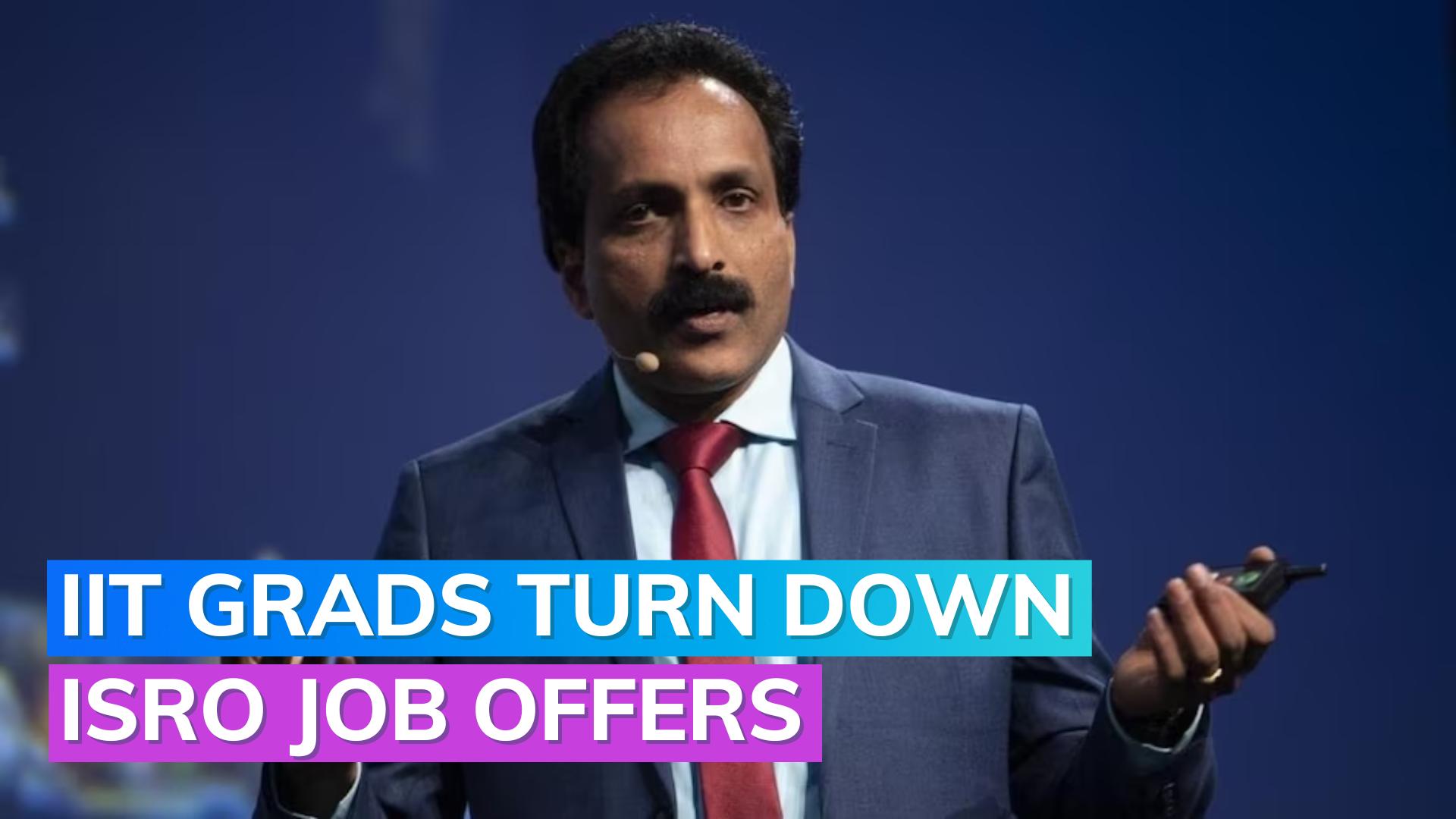
There’s no denying the sense of pride and prestige associated with working for the Indian Space Research Organisation (ISRO). However, in recent years, a growing concern has emerged: IITians not joining ISRO salary problem. It has become a frequent topic of conversation among students, faculty, and industry professionals. While ISRO remains one of the most respected institutions in India, its inability to retain top talent, particularly from the Indian Institutes of Technology (IITs), has raised questions about whether the organization needs to revise its salary structure to stay competitive.
1. Why Are IITians Opting for Corporate Jobs Over ISRO?
For decades, ISRO has been the dream destination for many aspiring scientists and engineers. It’s the place where India’s most ambitious space missions are planned and executed. Despite this, many IIT graduates today are leaning towards high-paying jobs in the private sector, shunning ISRO’s attractive yet relatively lower pay packages. The core of this issue lies in the stark difference between the salary of ISRO engineers and what the private sector, especially multinational corporations, offers.
In companies such as Google, Amazon, or even startups, IITians are offered starting packages that easily exceed ₹20 lakhs per annum, with potential for rapid growth and additional perks. On the other hand, ISRO engineering salary starts at a more modest level, with fresh graduates receiving approximately ₹8 to ₹12 lakhs per annum. While this is a decent package, the disparity becomes evident when compared to the private sector.
For IITians, many of whom graduate with lucrative job offers in hand, choosing ISRO over a corporate job often comes down to more than just money. The emotional appeal of contributing to the nation’s space program is strong, but with rising living costs, personal ambitions, and the desire for rapid financial growth, it’s no surprise that the salary of ISRO engineer is often a deciding factor in declining the opportunity.

2. A Noble Profession, But Is the Pay Enough?
For many, working at ISRO is not just about a job; it’s about contributing to a legacy. ISRO’s engineers and scientists are at the forefront of innovations that help India reach new heights in space exploration. From sending spacecraft to Mars to launching satellites that aid in disaster management, the organization’s work has a direct impact on the nation’s global standing.
This sense of purpose draws many brilliant minds to ISRO, but can emotional satisfaction alone make up for a lack of competitive pay? It’s important to consider that while national pride is a huge motivator, financial security and career growth also matter. ISRO engineer salary is considered reasonable by many standards, but for graduates from premier institutions like IIT, it falls short of their expectations, especially when they have multiple options available to them.
The Legacy of SP Kosta: Inspiration Through Dedication
One cannot discuss ISRO’s rich history without mentioning Shiv Prasad Kosta. As the deputy director for the project of India’s first satellite Aryabhata, Kosta’s work serves as an inspiring reminder of the dedication and perseverance that working for ISRO demands. Aryabhata was launched on April 19, 1975, marking a pivotal moment in India’s space journey. Kosta, along with his team, worked tirelessly to ensure the success of the project, despite limited resources and technology at the time.
SP Kosta’s work is emblematic of what it means to work at ISRO—a commitment to advancing India’s space capabilities and inspiring generations of scientists and engineers. While Kosta’s era was one of passion and sacrifice, today’s IITians find themselves facing a different reality. The question arises: Can ISRO continue to inspire the brightest minds to follow in Kosta’s footsteps when private companies are offering significantly higher salaries?

Biography of Shiv Prasad Kosta
3. The Growing Gap in Compensation
Over the years, the ISRO engineering salary has been subject to government regulations and budget constraints. While ISRO has made strides in offering allowances and benefits, they are still lagging behind the compensation packages provided by private companies. For instance, after the 7th Pay Commission, the salary structure for scientists and engineers at ISRO improved, but it still doesn’t match the six-figure salaries offered by tech giants to fresh IIT graduates.
A starting salary of ISRO engineer may range from ₹56,000 to ₹60,000 per month, which is respectable by government standards, but when compared to the private sector, it’s a fraction of what top corporations offer. Over time, this gap widens even further, as corporate employees receive stock options, bonuses, and fast-tracked promotions.
It’s not just about the numbers, though. The private sector offers an environment of rapid growth and flexibility, which is incredibly appealing to young professionals who want to see quick returns on their hard work. ISRO, by contrast, is a government organization where promotions and salary hikes follow a slower, more bureaucratic process.
The Emotional Appeal of Working for ISRO
Despite the significant salary gap, many IITians are still drawn to ISRO for emotional reasons. Working on projects like the Chandrayaan missions, the Mars Orbiter Mission, or developing low-cost satellite technology that can change lives is a powerful motivator. The thrill of launch day, the camaraderie shared by the team, and the satisfaction of contributing to the nation’s progress can often outweigh the lure of a higher paycheck—at least for a time.
However, as life goes on, priorities change. Personal responsibilities, such as supporting a family or planning for retirement, often lead even the most passionate engineers to reconsider their career choices. This is why we see a growing trend of IITians not joining ISRO salary problem, despite the emotional pull of working for one of the most respected organizations in the country.
4. What Can ISRO Do to Retain Top Talent?
The solution to this issue may not lie solely in revising the salary of ISRO engineers, but that’s certainly part of it. To retain top talent, especially from IITs, ISRO needs to take a multi-faceted approach:
- Revise Salary Packages: ISRO doesn’t need to compete with private sector salaries entirely, but a modest increase in the pay scale, along with better bonuses and performance-linked incentives, could close the gap and make the offer more attractive.
- Offer Research Grants and Opportunities for Innovation: Many IITians are drawn to the opportunity for innovation. ISRO could enhance its appeal by offering more grants, fellowships, and opportunities for cutting-edge research within the organization. This would attract those who are driven by discovery, not just financial gain.
- Improve Career Growth Opportunities: Speeding up the promotion process and offering fast-track career paths for exceptional talent could give young engineers the growth they crave. In today’s competitive world, stagnant career paths are a major deterrent, and ISRO needs to offer a clear trajectory for growth.
- Foster International Collaborations: Offering scientists the chance to work on international projects or collaborate with foreign space agencies would not only improve their skills but also give them the global recognition that many IITians desire.
- Improve Work-Life Balance and Perks: While ISRO already offers a supportive work environment, additional perks like flexible work hours, remote work opportunities, or even sabbaticals for higher studies could add emotional and practical value to the job.
5. Is It Time for ISRO to Rethink Its Salary Structure?
While ISRO continues to inspire millions with its groundbreaking space missions, the reality is that it’s struggling to retain some of the brightest minds from IIT. IITians not joining ISRO salary problem is one that needs to be addressed if ISRO wants to maintain its competitive edge in a world where private companies offer both financial and professional growth at a much faster rate.
To compete, ISRO doesn’t need to become a corporate giant, but it does need to reconsider its ISRO engineer salary and offer more than just emotional satisfaction. With strategic changes in salary structure, growth opportunities, and a focus on fostering innovation, ISRO can continue to attract and retain the top talent it needs to drive India’s space ambitions forward. After all, building a sustainable space program requires not just dedication, but also the right incentives to keep the nation’s best minds engaged and motivated.
Leave a Reply