
The global transportation industry is undergoing a transformative shift, with electric vehicles (EVs) emerging as the future of sustainable mobility. As concerns about environmental pollution and the depletion of fossil fuels intensify, the world is increasingly turning to electric vehicles as a cleaner, more efficient alternative to conventional internal combustion engine vehicles. This transition is not just a trend but a pivotal moment that marks the beginning of a new era in transportation.

The Rise of Electric Vehicles
Electric vehicles have gained significant momentum in recent years, driven by technological advancements, favorable government policies, and a growing consumer demand for environmentally responsible alternatives. The appeal of electric vehicles lies in their ability to reduce greenhouse gas emissions, lower dependence on fossil fuels, and provide a more cost-effective mode of transportation in the long run.
The surge in EV adoption can be attributed to several key factors. Firstly, the improvement in battery technology has significantly extended the range of this sustainable technology, alleviating “range anxiety” and making them a viable option for long-distance travel. Secondly, the expansion of EV charging infrastructure has made recharging more convenient, encouraging more people to consider switching to electric vehicles. Finally, government incentives, such as tax credits and rebates, have made EVs more accessible to a broader audience, accelerating their adoption.
Environmental Impact and Sustainability
One of the most compelling arguments for electric vehicles is their potential to combat climate change. Traditional gasoline and diesel-powered vehicles are among the largest contributors to air pollution and greenhouse gas emissions. In contrast, electric vehicles produce zero tailpipe emissions, significantly reducing their environmental footprint. The shift to electric vehicles is essential for achieving global sustainability goals and reducing the impact of transportation on air quality and public health.
The environmental benefits of extend beyond just reducing emissions. The production of EVs is becoming more sustainable, with manufacturers increasingly using recycled materials and renewable energy sources. Furthermore, the batteries used in electric vehicles are gradually being designed for reuse and recycling, minimizing waste and reducing the environmental impact of EV production.

Economic Advantages of Electric Vehicles
Beyond their environmental benefits, electric vehicles offer several economic advantages. While the initial purchase price of EVs can be higher than traditional vehicles, the total cost of ownership is often lower due to reduced maintenance and operating costs. Electric vehicles have fewer moving parts compared to internal combustion engines, resulting in lower maintenance expenses. Additionally, the cost of electricity as a fuel is typically lower and more stable than gasoline or diesel, providing significant savings over time.
The rise of electric vehicles is also creating new economic opportunities. The EV industry is driving innovation and job creation in sectors such as battery manufacturing, charging infrastructure, and renewable energy. As the demand for electric vehicles continues to grow, it is expected to generate substantial economic growth and contribute to the development of a more sustainable and resilient economy.
Technological Advancements in Electric Vehicles
The rapid advancement of technology is playing a crucial role in the evolution of electric vehicles. Innovations in battery technology, such as the development of solid-state batteries, are expected to significantly increase the range and charging speed of EVs, making them even more convenient and efficient. Autonomous driving technology is also being integrated into electric vehicles, promising to revolutionize the way we travel and further enhance the appeal of EVs.
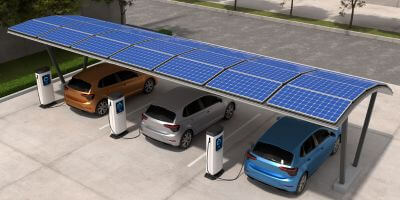
Moreover, the integration of renewable energy sources with EV charging infrastructure is making electric vehicles an integral part of the smart grid. Vehicle-to-grid (V2G) technology allows EVs to feed electricity back into the grid, supporting the stability of the power network and promoting the use of renewable energy. This symbiotic relationship between electric vehicles and the energy grid represents a significant step forward in creating a sustainable and interconnected energy ecosystem.
The Role of Government Policies and Incentives
Government policies and incentives are playing a pivotal role in accelerating the adoption of electric vehicles. Many countries are setting ambitious targets for EV adoption, phasing out the sale of new internal combustion engine vehicles, and implementing stricter emission standards. These measures are complemented by incentives such as tax credits, rebates, and grants for purchasing electric vehicles and investing in EV infrastructure.
In addition to financial incentives, governments are investing in the development of comprehensive charging networks to support the growing number of electric vehicles on the road. The availability of fast-charging stations is crucial for the widespread adoption of EVs, as it addresses concerns about the convenience and practicality of electric vehicles for everyday use.
Challenges and Barriers to Adoption
Despite the numerous advantages of electric vehicles, several challenges remain that could hinder their widespread adoption. One of the primary obstacles is the high upfront cost of EVs, which can be a barrier for many consumers. Although the cost of batteries is decreasing, making EVs more affordable, they still represent a significant investment compared to traditional vehicles.
Another challenge is the limited availability of charging infrastructure, particularly in rural and underserved areas. While major cities are rapidly expanding their network of charging stations, there is still a need for a more comprehensive and accessible infrastructure to support the widespread adoption of electric vehicles.
Additionally, concerns about battery life and the environmental impact of battery production and disposal are ongoing challenges for the EV industry. Addressing these issues will require continued innovation and collaboration between governments, manufacturers, and researchers to develop more sustainable and efficient battery technologies.
The Future of Electric Vehicles
The future of electric vehicles looks promising, with continued advancements in technology and increasing global support for sustainable transportation. The EV market is expected to grow exponentially in the coming years, driven by factors such as declining battery costs, improved vehicle performance, and expanding charging infrastructure.
Electric vehicles are set to become a central component of the global transportation network, transforming not only how we travel but also how we generate and consume energy. The integration of electric vehicles with smart grids, renewable energy sources, and autonomous driving technology will pave the way for a more sustainable and efficient transportation system.
In the near future, we can expect to see battery-powered vehicles become more affordable and accessible to a wider range of consumers. The development of new EV models, including electric trucks, buses, and motorcycles, will further diversify the market and meet the needs of different segments of the population.
Conclusion
They represent the future of transportation, offering a cleaner, more efficient, and sustainable alternative to traditional vehicles. As the world grapples with the challenges of climate change, air pollution, and the depletion of natural resources, the transition to electric vehicles is not just desirable but necessary. The continued growth and development of the EV industry will play a crucial role in shaping the future of transportation and creating a more sustainable and resilient world.
They revolution is more than just a technological shift; it is a transformation that will redefine our relationship with transportation and energy. With the support of governments, businesses, and consumers, electric vehicles have the potential to revolutionize the way we move, making the dream of a cleaner, greener, and more connected world a reality. As we look to the future, the road ahead for electric vehicles is bright, promising a new era of transportation that is both innovative and sustainable.

FAQs
1. What is an electric vehicle (EV)?
An electric vehicle (EV) is a type of vehicle that uses one or more electric motors for propulsion. It is powered by electricity stored in a rechargeable battery pack, unlike traditional vehicles that rely on internal combustion engines fueled by gasoline or diesel.
2. How do electric vehicles work?
Electric vehicles work by using an electric motor that draws power from a battery pack. When you press the accelerator, electricity flows from the battery to the motor, propelling the car forward. Regenerative braking systems in EVs can capture energy during braking and store it back in the battery, increasing efficiency.
3. What are the types of electric vehicles?
- Battery Electric Vehicles (BEVs): These run entirely on electric power and have no internal combustion engine.
- Plug-in Hybrid Electric Vehicles (PHEVs): These have both an electric motor and a conventional engine. They can be charged externally and run on electric power for shorter distances.
- Hybrid Electric Vehicles (HEVs): These use an electric motor in conjunction with a conventional engine but cannot be charged externally. The battery is recharged through regenerative braking and the internal combustion engine.
4. What are the benefits of driving an electric vehicle?
- Environmental Benefits: EVs produce zero tailpipe emissions, reducing air pollution and greenhouse gas emissions.
- Cost Savings: Lower fuel costs and reduced maintenance expenses make EVs cost-effective in the long run.
- Quiet and Smooth Operation: EVs offer a quieter and smoother driving experience compared to traditional vehicles.
- Energy Efficiency: Electric vehicles convert a higher percentage of electrical energy into mechanical energy compared to conventional engines.
5. How long does it take to charge an electric vehicle?
The charging time depends on the type of charger used:
- Level 1 Charger: Uses a standard household outlet and can take 8-20 hours to fully charge, depending on the battery size.
- Level 2 Charger: Typically installed at home or in public places, it can charge a vehicle in 4-8 hours.
- Level 3 Charger (DC Fast Charger): These high-power chargers can charge an EV up to 80% in 20-40 minutes, depending on the vehicle and charger specifications.
6. How far can an electric vehicle go on a single charge?
The range of an electric vehicle varies depending on the model and battery capacity. Most modern EVs offer ranges between 150 to 350 miles per charge, with some high-end models exceeding 400 miles.
7. Are electric vehicles expensive to buy?
The upfront cost of electric vehicles can be higher than traditional vehicles due to the cost of the battery. However, prices are falling as battery technology improves. Additionally, government incentives, tax credits, and rebates can significantly reduce the purchase cost.
8. What is the lifespan of an electric vehicle battery?
Most EV batteries are designed to last for 8-15 years, depending on usage, charging habits, and environmental conditions. Manufacturers typically offer warranties on batteries for around 8 years or 100,000 miles.
9. Are there enough charging stations available for electric vehicles?
The number of charging stations is growing rapidly worldwide. Many countries are investing heavily in expanding the EV charging infrastructure to make it more accessible. Apps and navigation systems can help locate nearby charging stations.
10. Can I charge an electric vehicle at home?
Yes, most electric vehicles can be charged at home using a standard 120V outlet (Level 1) or a dedicated 240V outlet (Level 2 charger). Many EV owners install a Level 2 charger at home for faster charging.
Leave a Reply