

Mixing up some cool biological stuff to make medicines or even biofuels, and suddenly, a smart computer steps in to make everything smoother and faster. That’s pretty much what we’re talking about today—the role of artificial intelligence in bioprocess engineering. If you’re studying biology, engineering, or anything in between, this is going to open your eyes to how tech is shaking things up in the bio world. I’ll keep it straightforward, like we’re chatting over coffee, and break it down so it’s easy to follow. Let’s get into it.
What Even Is Bioprocess Engineering?
First off, let’s make sure we’re on the same page. Bioprocess engineering is basically the science of using living things—like cells, bacteria, or enzymes—to create useful products. Think about how we make insulin for diabetes patients or brew beer; that’s bioprocessing in action. It’s a mix of biology and engineering to scale up these processes from a tiny lab flask to huge industrial tanks.
Now, why bring AI into this? Well, these processes can be tricky. They involve tons of variables like temperature, pH levels, and nutrient mixes that need constant tweaking. That’s where AI comes in—it’s like having a super-smart assistant that learns from data and helps predict what might go wrong or how to make things better. Have you ever tried optimizing a recipe in the kitchen and wished you had a tool to guess the perfect ingredient amounts? AI does that for bioprocesses, but on a much bigger scale.
AI in Bioprocess Engineering: The Basics
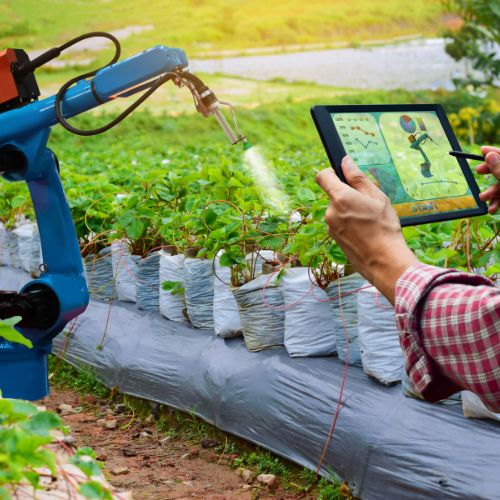
Let’s talk about the foundation of AI in bioprocess engineering. AI isn’t some magical robot; it’s algorithms that crunch data to find patterns humans might miss. In bioprocessing, this means analyzing huge datasets from sensors in bioreactors—the big vessels where biological reactions happen.
For example, machine learning, a type of AI, can look at past runs of a process and learn what leads to the best yields. Say you’re growing yeast to make biofuels. AI can sift through data on oxygen levels, stirring speeds, and cell growth rates to suggest the ideal settings. It’s like training a pet to do tricks; the more data you feed it, the better it gets.
But why does this matter to you as a student? If you’re in a class project simulating a fermentation process, understanding AI could help you model it on your computer instead of guessing. Ever wondered if there’s a way to cut down on trial-and-error in labs? AI reduces waste and speeds up experiments, making your work more efficient.
Optimizing Processes with AI
One of the biggest ways AI shines in bioprocess engineering is optimization. Traditional methods often rely on educated guesses or repeated tests, which take time and money. AI changes that by using tools like neural networks to simulate scenarios.
Picture this: In pharmaceutical production, where we make drugs from living cells, even small improvements can save millions. AI algorithms can predict how changes in feed rates or temperatures affect product quality. There are cases where companies have boosted yields by 20-30% just by letting AI handle the tweaks.
As a student, think about your next assignment. Could you use free AI tools to optimize a simple model? It’s not as hard as it sounds—platforms like Python with libraries such as TensorFlow let you experiment. What if you applied this to a group project on enzyme production? It could turn a okay result into something impressive.
Predictive Modeling and Forecasting
Now, let’s chat about prediction. AI in bioprocess engineering excels at forecasting outcomes. Using historical data, it can predict when a process might fail or when to harvest cells at peak productivity.
In real life, this is huge for things like vaccine manufacturing. During the COVID-19 rush, AI helped model how viruses grow in cells, speeding up production. It spots anomalies early, like if contamination is brewing, saving batches from ruin.
Have you faced a lab where everything goes wrong midway? AI acts like a crystal ball, warning you ahead. For students, this means better planning in simulations. Tools like predictive analytics can make your reports stand out by showing “what if” scenarios.
AI for Quality Control and Monitoring
Quality control is another area where AI makes a massive difference. In bioprocesses, ensuring purity and consistency is key, especially for food or meds. AI uses computer vision—think cameras powered by smarts—to inspect products in real-time.
For instance, in beer brewing, AI can monitor foam formation or color changes to catch issues instantly. It’s faster than human eyes and doesn’t get tired. In biotech labs, AI analyzes spectra from instruments to detect impurities at parts-per-million levels.
As someone studying this, imagine using AI apps on your phone to check experiment results. Ever questioned how pros maintain high standards? AI ensures fewer errors, which could inspire your own quality checks in projects.
Enhancing Sustainability Through AI
Sustainability is a hot topic, right? AI in bioprocess engineering helps make processes greener. By optimizing energy use and reducing waste, it lowers the environmental footprint.
Take biofuel production: AI can fine-tune algae growth to maximize oil output while minimizing water and nutrients. This leads to more efficient, eco-friendly methods. Companies are using AI to cut carbon emissions in biomanufacturing by predicting the most energy-saving paths.
For you, as a student concerned about the planet, this shows how your field can fight climate change. What if your thesis involved AI-driven sustainable bioprocesses? It could be a game-changer for your career.
AI in Drug Discovery and Development
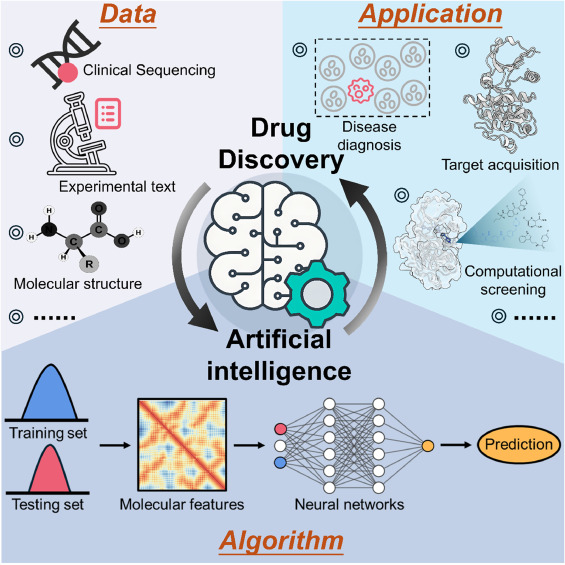
Shifting gears to drugs—AI accelerates discovery in bioprocess engineering. It screens molecules virtually, predicting which ones will work best in biological systems.
In biopharma, AI models protein interactions to design better enzymes or antibodies. This shortens the timeline from years to months. Think about how AI helped in developing mRNA vaccines; it simulated cell responses quickly.
Have you dreamed of contributing to new medicines? Learning AI basics could put you ahead. It’s like having a shortcut in the complex world of drug design.
Challenges and Ethical Considerations
Of course, it’s not all smooth. AI in bioprocess engineering faces hurdles like needing high-quality data—garbage in means garbage out. Also, integrating AI into old systems can be costly.
Ethically, we must consider job impacts or biases in algorithms. As students, you might debate: Is AI taking over, or creating new opportunities? It’s worth thinking about to stay balanced.
Plus, data privacy in biotech is crucial. Who owns the info from biological processes? These questions keep the field exciting and evolving.
Real-World Examples and Case Studies
To make this real, let’s look at examples. Novartis uses AI to optimize cell culture media, improving drug yields. In food tech, Perfect Day employs AI for animal-free dairy production, analyzing fermentation data for better tastes.
Another one: Ginkgo Bioworks leverages AI to engineer microbes for various products, from flavors to materials. These show AI’s practical power.
As a student, have you heard of these? Researching them could spark ideas for internships or papers.
The Future of AI in Bioprocess Engineering
Looking ahead, AI will integrate more with robotics for fully automated labs. Imagine bioreactors that self-adjust based on AI insights, or AI-driven personalized medicine.
Quantum computing might supercharge AI models for even complex simulations. For you, this means endless possibilities in research.
What excites you most about this future? It could shape your studies and beyond.
Wrapping It Up
We’ve covered a lot—from basics to future trends—showing how AI is reshaping bioprocess engineering. It’s making things faster, smarter, and more sustainable, all while opening doors for innovation.
One final thought: Embrace AI early in your studies; it could be the key to unlocking breakthroughs in your career.
FAQs:
Here are some quick answers to common questions you might have—stuff people search for all the time.
1. What is the role of AI in bioprocess engineering?
AI plays a key part by analyzing data to optimize biological processes, predict outcomes, and improve efficiency in making things like drugs or biofuels. It’s like a smart helper that spots patterns we might miss.
2. How does AI improve bioprocessing?
It boosts yields, cuts down on waste, and speeds up production by using machine learning to tweak variables in real-time. For example, it can predict the best conditions for cell growth, saving time and resources.
3.What are the applications of AI in the biopharmaceutical industry?
AI helps in drug discovery, process optimization, and quality control. Think virtual screening of molecules or monitoring cell cultures to ensure consistent drug quality.
4.What are the challenges of using AI in bioprocess engineering?
Main issues include needing lots of clean data, high setup costs, and potential biases in algorithms. Plus, integrating it with existing systems can be tricky.
5. How is machine learning used in bioprocess data analytics?
Machine learning crunches sensor data from bioreactors to forecast trends, detect issues early, and suggest improvements, making data analysis faster and more accurate for better decision-making.
Disclaimer:
The information provided in this blog is for general informational and educational purposes only. Mantech Publications is not affiliated, associated, authorized, endorsed by, or in any way officially connected with any brands, companies, organizations, or institutions mentioned in the content. The views and opinions expressed in the blog posts are solely those of the individual authors and do not necessarily reflect the official policy, position, or opinions of Mantech Publications. While efforts are made to ensure the accuracy and reliability of the information provided, Mantech Publications and its management accept no responsibility or liability for any loss, damage, or inconvenience caused as a result of reliance on the material published on this website.
Leave a Reply