
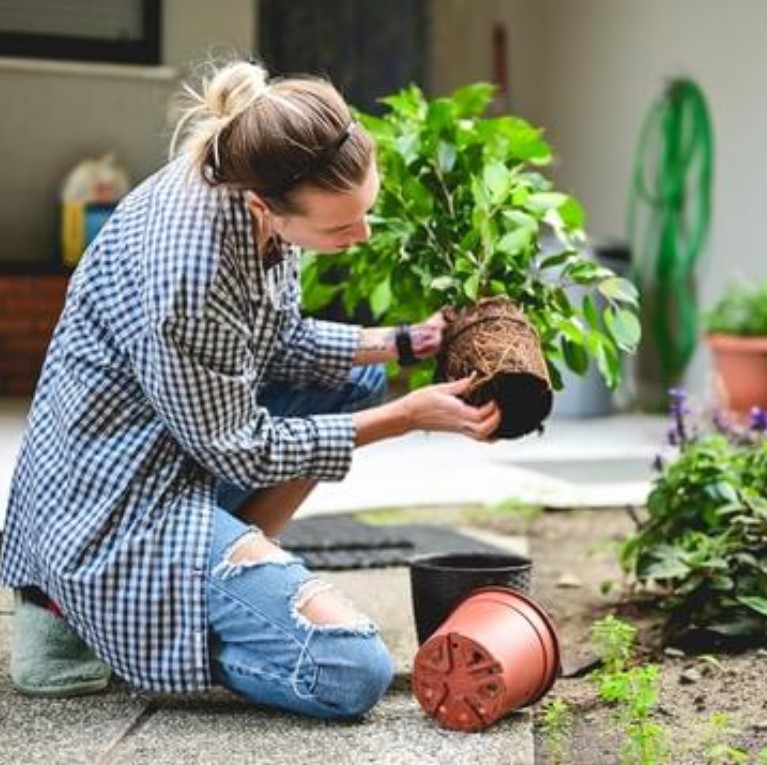
Gardening is an enjoyable and rewarding activity that allows you to connect with nature, create a beautiful outdoor space, and even grow your own food. For beginners, the thought of starting a garden may seem overwhelming, but with the right gardening tips for beginners, anyone can begin their gardening journey with confidence. In this blog post, we’ll cover 10 essential gardening tips for beginners that will guide you through the process and set you up for success.

1. Choose the Right Location
One of the first gardening tips for beginners is selecting the right location. Plants need sunlight to thrive, so choosing a spot in your yard that gets at least 6-8 hours of sunlight a day is essential. Make sure the area is free of obstructions like large trees that might cast a shadow over your garden. You also want to consider the soil type and the drainage capabilities of the location. Good drainage will prevent the roots of your plants from getting waterlogged, which can lead to root rot.
Positive Point: Selecting the right location ensures healthy plant growth and maximizes sunlight exposure. Negative Point: Not all areas of your yard might have enough sunlight, limiting plant options.
2. Start Small with Your Garden Space
When starting out, it’s easy to get excited and envision a large garden full of flowers, vegetables, and herbs. However, one of the most important gardening tips for beginners is to start small. A small garden is easier to maintain and allows you to learn the basics of gardening without feeling overwhelmed. Once you gain experience, you can gradually expand your garden.
Positive Point: A smaller garden is easier to manage, and you’ll gain more control over your plants’ needs. Negative Point: You may not be able to grow as many plants initially.
3. Know Your Climate Zone
Understanding your climate zone is crucial when planning a garden. Different plants thrive in different climates, and knowing your zone will help you select plants that will thrive in your region. You can find your USDA hardiness zone by checking your location’s average minimum winter temperature. Choosing plants that are well-suited for your climate will save you time and effort in maintaining them.
Positive Point: Selecting plants suited for your climate ensures better growth and reduces the need for extra care. Negative Point: You may need to make adjustments if your climate changes over time.
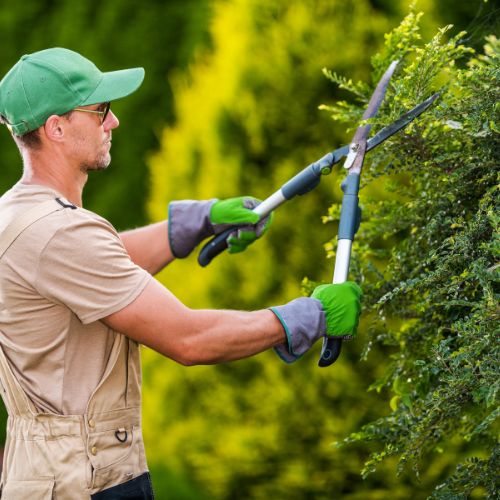
4. Choose the Right Plants for Beginners
Not all plants are beginner-friendly, so it’s essential to choose plants that are easy to grow and maintain. Some excellent beginner plants include sunflowers, marigolds, lavender, and tomatoes. These plants require minimal care and provide beautiful results. Make sure to research the growing needs of each plant before you start.
Positive Point: Easy-to-grow plants reduce the chances of failure and make gardening more enjoyable. Negative Point: Certain plants may still require special attention even if they are labeled as beginner-friendly.
5. Prepare Your Soil for Planting
Healthy soil is the foundation of any successful garden. As part of your gardening tips for beginners, ensure you’re working with soil that’s rich in nutrients. To improve your soil, consider adding compost or organic matter to it. This will help enhance soil structure, drainage, and overall plant health. Avoid compacting the soil, as plants need room to spread their roots.
Positive Point: Healthy soil leads to better plant growth and increased yields. Negative Point: Improving soil quality takes time, and the process might require additional effort.
6. Water Wisely
Watering your garden properly is one of the most important gardening tips for beginners. Overwatering and underwatering are common mistakes. To avoid this, water your plants early in the morning or late in the evening when the temperatures are cooler. This helps reduce evaporation and ensures the plants get enough moisture. Additionally, use a soaker hose or drip irrigation to target the plant’s roots directly, rather than watering the leaves.
Positive Point: Proper watering techniques help prevent water wastage and promote healthy plants. Negative Point: Overwatering can lead to root rot and other plant diseases.
7. Maintain a Regular Gardening Schedule
Consistency is key when it comes to gardening. Set aside a few hours each week to tend to your plants, whether that means weeding, pruning, or harvesting. Keeping a gardening schedule will help you stay on top of your garden’s needs and prevent problems from arising. Regular maintenance also encourages your plants to grow strong and healthy.
Positive Point: A regular gardening schedule promotes plant growth and keeps your garden well-maintained. Negative Point: It may require some time management, especially if you have a busy schedule.
8. Mulch Your Garden
Mulching is one of the most effective gardening tips for beginners. Mulch helps retain moisture in the soil, suppresses weeds, and regulates soil temperature. Use organic mulch such as shredded leaves, wood chips, or straw. Apply a 2-3 inch layer of mulch around your plants to create a protective barrier that will keep them healthy and happy.
Positive Point: Mulching reduces the need for frequent watering and keeps your garden clean. Negative Point: Mulch needs to be replenished periodically to maintain its effectiveness.
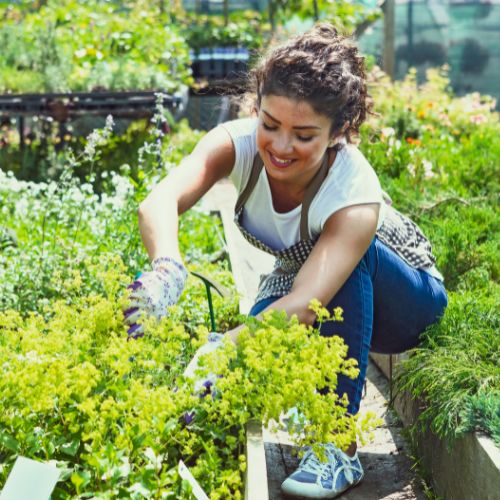
9. Be Mindful of Pests and Diseases
Pests and diseases are a common issue for beginner gardeners. To keep your plants healthy, monitor them regularly for signs of pests or diseases. If you notice any problems, take action immediately. Use organic pest control methods such as neem oil or insecticidal soap to treat infestations. You can also attract beneficial insects, like ladybugs, that help control pests naturally.
A good practice is to maintain your garden’s hygiene by removing dead leaves and debris that can harbor pests and diseases. Regularly inspecting your plants and soil will help you catch issues early, making it easier to address them before they spread.
Early detection and organic treatments help protect your plants without harmful chemicals. However, it’s important to be aware that some pests and diseases can be hard to manage, requiring more advanced solutions. As a beginner gardener, patience and persistence are key to overcoming these challenges.
10. Have Patience and Enjoy the Process
Gardening is not an instant process. Plants take time to grow and flourish. One of the most important gardening tips for beginners is to have patience. Don’t get discouraged if things don’t go as planned, and remember that every garden has its challenges. Enjoy the process of learning and growing your garden, and celebrate your successes along the way.
Positive Point: Patience leads to a fulfilling gardening experience and personal growth. Negative Point: Sometimes plants don’t grow as expected, and patience is required to troubleshoot issues.

Conclusion
Starting a garden as a beginner may seem like a big challenge, but with the right gardening tips for beginners, you can easily create and maintain a beautiful garden. One of the first steps in your gardening journey is to choose the right location. A good spot for your garden ensures your plants receive adequate sunlight and protection. Begin small by selecting easy-to-grow plants that thrive in your region, and gradually expand your garden as you gain confidence.
Gardening tips for beginners also emphasize the importance of understanding your soil. Healthy soil is the foundation of a flourishing garden, so test your soil and amend it as needed to ensure proper drainage and nutrients. Regular watering, but not over-watering, is crucial, as well as providing the right amount of space for plants to grow without overcrowding.
As a beginner, don’t rush the process—gardening is a learning experience, and by following some basic gardening tips for beginners, you’ll enjoy the satisfaction of watching your plants grow and bloom. Whether you’re growing vegetables, flowers, or herbs, with patience and care, your garden will thrive. Remember, gardening tips for beginners are there to guide you, but your unique touch will make your garden special. Happy gardening, and let your plants flourish!
FAQs
What are the best plants for beginners?
Some of the best plants for beginners include marigolds, sunflowers, tomatoes, and herbs like basil.
How often should I water my garden?
Water your garden early in the morning or late in the evening, and ensure the soil is consistently moist but not soggy.
What should I do if my plants are not growing?
Check for pests, diseases, and ensure your plants are getting enough sunlight and water. Also, consider improving the soil quality.
How do I prevent weeds from taking over my garden?
Use mulch to suppress weeds and remove weeds manually before they can establish deep roots.
Can I grow a garden in pots?
Yes, container gardening is a great option for beginners with limited space. Make sure the pots have proper drainage.
How do I improve my soil quality?
Add compost, organic matter, or well-rotted manure to your soil to improve its texture and nutrient content.
What tools do I need for beginner gardening?
Basic tools include a trowel, pruners, a watering can, gloves, and a rake.
How do I protect my garden from pests?
Use organic pest control methods like neem oil or insecticidal soap, and encourage beneficial insects like ladybugs.
When is the best time to plant a garden?
The best time to plant depends on your climate, but generally, early spring or late summer is ideal for most plants.
Can I garden in small spaces?
- Yes, gardening in small spaces is possible through container gardening, vertical gardens, or raised beds.
Leave a Reply