
Introduction
Diabetes management is crucial for maintaining a healthy lifestyle and preventing complications associated with this chronic condition. With the increasing prevalence of diabetes worldwide, understanding the best practices for managing this condition has become essential. This blog explores seven proven strategies that contribute to effective diabetes management and how they can help you take control of your health.

Monitoring Blood Sugar Levels: A Vital Part of Diabetes Management
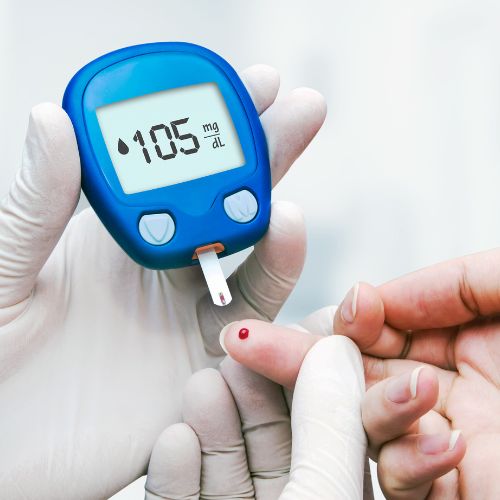
Regular monitoring of blood sugar levels is a cornerstone of diabetes management. By tracking your glucose levels, you can adjust your diet, exercise routine, and medication to ensure that your blood sugar stays within the target range. Monitoring helps you understand how different foods, physical activity, and medications affect your body, allowing you to make informed decisions.
How to Monitor Blood Sugar
- Use a glucose meter to check your blood sugar levels multiple times a day.
- Keep a log of your readings to identify patterns and trends.
- Consult with your doctor to set target blood sugar levels that are specific to your needs.
Effective diabetes management revolves around understanding how your body responds to different factors, and regular monitoring is an invaluable tool in achieving that understanding.
Healthy Eating Habits for Diabetes Management
A balanced diet plays a significant role in diabetes management. Eating the right foods helps control blood sugar levels and supports overall health. Incorporating a variety of whole foods, lean proteins, healthy fats, and plenty of fruits and vegetables is key to keeping your glucose levels stable.
What to Include in Your Diet
- Whole grains, such as brown rice, oats, and quinoa.
- Non-starchy vegetables like leafy greens, broccoli, and cauliflower.
- Lean proteins from fish, chicken, or plant-based sources like beans and lentils.
- Healthy fats from nuts, seeds, and avocados.
It’s equally important to avoid foods that can spike blood sugar levels, such as sugary snacks, processed foods, and refined carbs. Focusing on a nutrient-dense diet makes diabetes management more achievable and sustainable.

Regular Physical Activity for Better Diabetes Control
Exercise is a powerful tool for diabetes management. Physical activity helps your body use insulin more efficiently, lowers blood sugar levels, and reduces the risk of complications. Whether it’s a brisk walk, swimming, or yoga, staying active improves insulin sensitivity and enhances overall well-being.
Types of Exercise for Diabetes Management
- Aerobic exercises like walking, cycling, and dancing help improve cardiovascular health.
- Strength training exercises build muscle mass, which helps regulate blood sugar.
- Flexibility exercises like yoga or stretching reduce stress and improve circulation.
Aim for at least 150 minutes of moderate-intensity exercise each week. Incorporating a variety of exercises into your routine can lead to better long-term management of diabetes.
Medication Management: A Key Element in Diabetes Control
For individuals with diabetes, medication may be necessary to control blood sugar levels. While lifestyle changes such as diet and exercise are critical, medication plays an important role in ensuring blood glucose levels remain stable. Whether through oral medications or insulin injections, adhering to your prescribed treatment plan is essential for effective diabetes management.
Types of Diabetes Medications
- Insulin helps regulate blood sugar by facilitating the absorption of glucose into cells.
- Oral medications such as metformin, sulfonylureas, and DPP-4 inhibitors help lower blood sugar levels.
- GLP-1 receptor agonists and SGLT2 inhibitors are newer medications that aid in blood sugar control and may also help with weight management.
Work closely with your healthcare provider to ensure that you are using the right medication and that the dosage is adjusted to meet your specific needs. Regular follow-ups and open communication with your healthcare team are key to effective diabetes management.

Stress Management and Its Impact on Diabetes
Stress has a significant impact on blood sugar levels and overall diabetes management. When you’re stressed, your body releases hormones that can raise blood glucose levels. Chronic stress can make it harder to maintain stable blood sugar and manage your condition effectively. Learning stress management techniques is therefore a vital part of diabetes care.
Effective Stress Management Techniques
- Meditation and mindfulness help calm the mind and lower stress.
- Breathing exercises can reduce anxiety and help control blood sugar levels.
- Time management and prioritizing tasks can alleviate daily stressors.
- Regular breaks and relaxation activities are essential for maintaining mental and emotional well-being.
By incorporating stress-reducing practices into your daily routine, you can support your body in maintaining better glucose control.
Getting Enough Sleep for Diabetes Management
Sleep plays a crucial role in regulating blood sugar levels and overall diabetes management. Poor sleep quality or insufficient sleep can lead to insulin resistance and elevated blood sugar levels. Getting a good night’s rest is essential for both physical and emotional well-being.
Tips for Better Sleep
- Aim for 7-9 hours of sleep each night.
- Establish a regular sleep schedule by going to bed and waking up at the same time each day.
- Create a sleep-friendly environment by keeping your bedroom cool, dark, and quiet.
- Avoid caffeine and heavy meals before bedtime.
By focusing on healthy sleep habits, you can help your body regulate blood sugar levels more effectively and improve your overall health.

Building a Support Network for Effective Diabetes Management
Managing diabetes on your own can be challenging, but building a strong support network can make the process much easier. Having people around you who understand your condition and can offer encouragement helps reduce the mental and emotional burden of managing diabetes.
How to Build a Support Network:
- Join support groups, either in person or online, to share experiences and advice with others who have diabetes.
- Involve family and friends in your diabetes management by educating them about your condition.
- Work closely with healthcare professionals who can guide you through your diabetes care plan.
A strong support system is an essential component of long-term diabetes management, offering both practical and emotional assistance.
Conclusion
Diabetes management involves a multi-faceted approach that includes lifestyle modifications, regular monitoring, and collaboration with healthcare professionals. By incorporating these seven strategies—monitoring blood sugar, eating a healthy diet, staying active, managing stress, getting enough sleep, using medications appropriately, and building a support system—you can take control of your health and reduce the risk of complications. Remember, consistent efforts and commitment to a healthy lifestyle are key to effective diabetes management and improving your quality of life.
FAQs
1. What is diabetes management?
Diabetes management refers to the strategies and practices used to keep blood sugar levels under control in individuals with diabetes. This includes monitoring blood glucose levels, eating a balanced diet, staying physically active, taking medications as prescribed, managing stress, and maintaining regular healthcare check-ups.
2. How can I monitor my blood sugar levels effectively?
Monitoring blood sugar levels involves using a glucose meter to check your blood glucose several times a day. Regular testing helps you understand how different foods, activities, and medications affect your blood sugar. Keeping a log of your results and discussing them with your healthcare provider can help adjust your diabetes management plan.
3. What are the best foods for diabetes management?
For effective diabetes management, focus on:
- Non-starchy vegetables like leafy greens and broccoli.
- Whole grains such as oats and quinoa.
- Lean proteins like chicken, fish, and legumes.
- Healthy fats from sources like avocados and nuts.
Avoid sugary foods, processed snacks, and refined carbohydrates, which can cause spikes in blood sugar.
4. Can exercise help manage diabetes?
Yes, regular physical activity plays a significant role in managing diabetes. Exercise improves insulin sensitivity, helps lower blood sugar levels, and supports weight management. Aim for at least 150 minutes of moderate-intensity exercise each week, including aerobic activities and strength training.
5. What medications are used in diabetes management?
There are several medications used to manage diabetes, including:
- Insulin: Helps regulate blood sugar by facilitating the absorption of glucose into cells.
- Oral medications: Such as metformin, sulfonylureas, and DPP-4 inhibitors, which help control blood glucose levels.
- Other newer medications: Including GLP-1 receptor agonists and SGLT2 inhibitors, which help with blood sugar control and may aid in weight loss.
Your healthcare provider will determine the best medication based on your specific needs.
6. How does stress affect diabetes?
Stress can raise blood sugar levels by triggering the release of hormones like cortisol and adrenaline. This makes stress management essential for diabetes control. Techniques such as mindfulness, meditation, and regular physical activity can help lower stress levels and keep blood sugar more stable.
7. Why is sleep important in diabetes management?
Quality sleep is crucial for maintaining stable blood sugar levels. Lack of sleep can lead to insulin resistance and increase the risk of high blood sugar. Aim for 7-9 hours of restful sleep each night to support overall health and improve your diabetes management.
8. How can I build a support system for managing diabetes?
Building a support network can make managing diabetes easier. You can:
- Join diabetes support groups for advice and encouragement.
- Involve family and friends by educating them about your condition.
- Collaborate with healthcare professionals to create an effective management plan.
A strong support system can provide both emotional and practical help.
9. What role does weight management play in diabetes control?
Maintaining a healthy weight is key to managing diabetes effectively. Excess weight can contribute to insulin resistance and difficulty controlling blood sugar levels. A balanced diet, regular exercise, and portion control are important steps in achieving and maintaining a healthy weight.
10. How often should I visit my doctor for diabetes check-ups?
Regular check-ups are essential for effective diabetes management. Typically, individuals with diabetes should see their doctor at least once every 3-6 months. During these visits, your doctor will monitor blood sugar levels, review your medications, assess potential complications, and provide guidance on managing the condition.
Leave a Reply