
Introduction
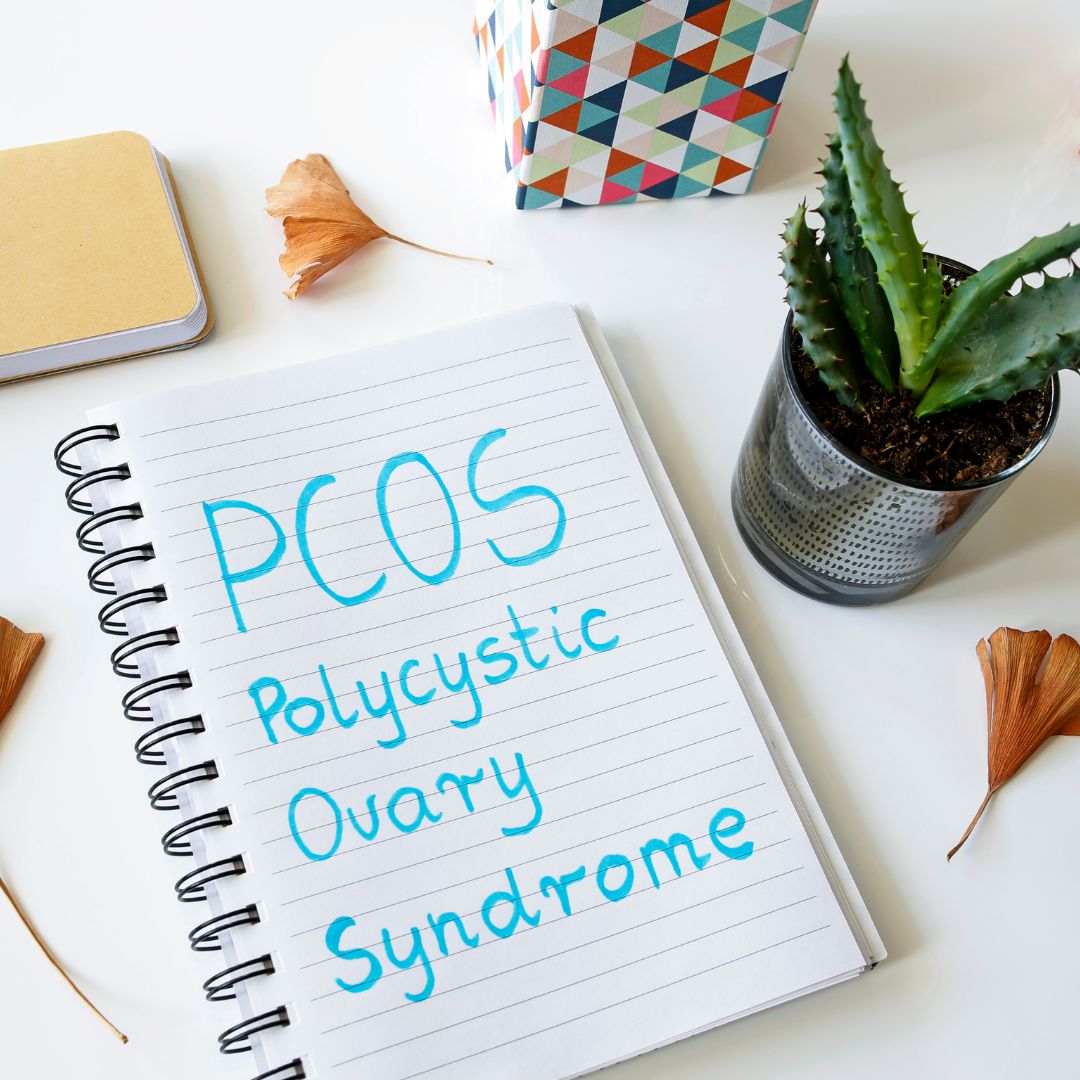
Polycystic Ovary Syndrome (PCOS) is a common hormonal disorder affecting millions of women worldwide. With symptoms like irregular menstrual cycles, weight gain, hair loss, and acne, PCOS can have a significant impact on daily life. Fortunately, Ayurvedic treatment for PCOS offers a holistic approach to managing these symptoms, focusing on balancing the body’s natural systems without invasive procedures or synthetic drugs. In this guide, we will explore 10 Ayurvedic treatments that help in managing PCOS, restoring hormonal balance, and improving overall health.

Understanding PCOS in Ayurveda and Ayurvedic Treatment for PCOS
In Ayurveda, PCOS is seen as an imbalance in the body’s doshas, particularly Kapha and Vata. This imbalance disrupts reproductive health and causes hormonal fluctuations. Ayurvedic treatments target this imbalance, focusing on detoxification, diet, lifestyle changes, and natural remedies. By identifying specific imbalances in each person, Ayurveda aims to treat the root cause of PCOS rather than just alleviating symptoms.
Detoxification: The First Step in Ayurvedic Treatment for PCOS
Ayurvedic treatment for PCOS often begins with detoxification, or Panchakarma. Detoxification removes toxins (Ama) from the body, enabling better absorption of nutrients and strengthening the immune system. Panchakarma includes therapies like:
- Vamana (Emesis therapy): Helps in expelling toxins and balancing Kapha.
- Virechana (Purgation therapy): Useful for cleansing the liver and digestive system.
- Basti (Enema therapy): Targets Vata dosha and improves hormonal health.
Detoxifying your body helps establish a strong foundation for managing PCOS effectively.
Herbal Supplements in Ayurvedic Treatment for PCOS
A range of Ayurvedic herbs is used in Ayurvedic treatment for PCOS due to their natural ability to support hormonal balance and reproductive health. Key herbs include:
- Ashwagandha: Helps reduce stress and cortisol levels, which can affect hormonal balance.
- Shatavari: Known for boosting fertility and regulating menstrual cycles.
- Guduchi: Improves insulin sensitivity and promotes liver health.
- Triphala: Supports digestion and helps reduce symptoms associated with PCOS.
These herbs provide support to the endocrine system and help maintain regular menstrual cycles.
Ayurvedic Diet for PCOS Management
Diet plays a crucial role in Ayurvedic treatment for PCOS. An Ayurvedic diet focuses on reducing processed foods, refined sugars, and dairy products, which can trigger hormonal imbalances. Instead, Ayurveda recommends foods that balance Kapha and Vata:
- Include fresh fruits and vegetables: These are high in antioxidants and help reduce inflammation.
- Consume whole grains: Such as barley, quinoa, and millet, which stabilize blood sugar levels.
- Healthy fats: Include ghee, olive oil, and flaxseeds to provide essential fatty acids for hormone production.
By following a balanced Ayurvedic diet, women with PCOS can manage insulin levels and reduce symptoms like acne, hair loss, and irregular periods.

Yoga and Meditation: Aligning Mind and Body
Yoga and meditation are integral to Ayurvedic treatment for PCOS. Certain yoga asanas support ovarian health, improve blood circulation, and help balance hormones:
- Surya Namaskar (Sun Salutations): Improves blood flow and reduces stress.
- Baddha Konasana (Butterfly Pose): Enhances blood flow to the pelvic area.
- Dhanurasana (Bow Pose): Strengthens the abdominal region and supports hormonal balance.
Regular yoga and meditation practice help in reducing stress, a major trigger for PCOS symptoms.
Lifestyle Adjustments: The Core of Ayurvedic Treatment for PCOS
According to Ayurveda, lifestyle choices significantly impact PCOS symptoms. Here are a few lifestyle tips recommended in Ayurvedic treatment for PCOS:
- Sleep on time: Getting adequate sleep (6-8 hours) supports hormonal health.
- Avoid excessive use of screens: Limiting screen time reduces exposure to blue light, which may impact hormone production.
- Practice mindful eating: Eating slowly helps improve digestion and nutrient absorption, which is crucial for hormonal balance.
Simple lifestyle changes contribute greatly to managing PCOS over time.
Managing Insulin Resistance with Ayurveda
Insulin resistance is a major factor in PCOS. Ayurveda recommends specific foods and practices to enhance insulin sensitivity and regulate blood sugar levels:
- Fenugreek seeds: Soak them overnight and consume them in the morning to reduce blood sugar levels.
- Cinnamon: Known for regulating insulin levels, cinnamon can be added to tea or meals.
- Neem: Neem leaves or neem powder help in reducing insulin resistance.
Incorporating these natural remedies into your diet is an effective Ayurvedic approach to managing insulin resistance in PCOS.
Ayurvedic Oils and Massage Therapies for PCOS
In Ayurvedic treatment for PCOS, certain oils and massages are recommended to balance doshas and promote relaxation:
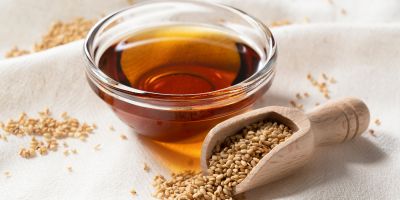
- Abhyanga (Oil Massage): Using sesame oil or coconut oil for massage helps relax the body and reduce stress levels.
- Shirodhara: Pouring a warm stream of oil over the forehead calms the nervous system and balances Vata.
- Udwarthanam: A dry powder massage useful for weight management and reducing Kapha.
Massages and oil therapies improve circulation, reduce stress, and enhance the effectiveness of other Ayurvedic treatments.
Managing Weight Naturally with Ayurveda
Weight gain is common in PCOS, but losing weight in a balanced way is crucial. Ayurveda suggests natural and sustainable methods for weight loss:
- Lemon and honey in warm water: Helps detoxify the body and promotes digestion.
- Ginger tea: Supports digestion and boosts metabolism.
- Trikatu (mixture of black pepper, long pepper, and ginger): Improves metabolism and aids in weight management.
These remedies support healthy weight loss, essential for managing PCOS symptoms effectively.

Stress Management Techniques in Ayurvedic Treatment for PCOS
Stress is a known trigger for PCOS symptoms, and Ayurveda emphasizes stress management through holistic practices:
- Meditation: Regular meditation practice helps reduce stress hormones.
- Pranayama (Breathing exercises): Exercises like Anulom Vilom and Kapalbhati calm the mind and improve oxygen flow.
- Herbs like Brahmi and Jatamansi: These herbs are known for their stress-relieving properties and can be consumed as teas or powders.
Managing stress is vital in Ayurvedic treatment for PCOS as it directly impacts hormone levels and overall health.

Conclusion
For those facing the challenges of PCOS, Ayurveda offers a comprehensive approach that considers the whole body and mind. The Ayurvedic treatment for PCOS focuses on restoring balance through natural remedies, dietary changes, and lifestyle modifications. By integrating these Ayurvedic practices into daily life, many women can find relief from symptoms and enhance their overall well-being. Remember to consult with a qualified Ayurvedic practitioner before starting any treatment to ensure it aligns with your individual needs.
With a commitment to Ayurveda, managing PCOS becomes not only possible but empowering, as it encourages a healthier, balanced lifestyle.
FAQs
1. What is PCOS, and how does Ayurveda view it?
PCOS, or Polycystic Ovary Syndrome, is a hormonal disorder that causes irregular periods, weight gain, acne, and other symptoms. Ayurveda views PCOS as an imbalance of the Kapha and Vata doshas, leading to reproductive and hormonal disruptions. Ayurvedic treatment focuses on balancing these doshas and treating the root cause rather than just the symptoms.
2. Can Ayurvedic treatment for PCOS regulate my menstrual cycle?
Yes, Ayurvedic treatments, such as herbal remedies, dietary changes, and detoxification, aim to restore hormonal balance and support a regular menstrual cycle. Herbs like Shatavari and Ashwagandha are particularly beneficial for promoting cycle regularity.
3. How long does it take to see results with Ayurvedic treatment for PCOS?
The time frame can vary depending on factors like the severity of PCOS, individual body constitution, lifestyle, and consistency with Ayurvedic practices. Some may notice improvements within a few months, while for others, it could take longer.
4. Is Ayurvedic treatment for PCOS safe?
Ayurvedic treatments are generally safe as they use natural herbs, foods, and holistic practices. However, it’s essential to consult with a qualified Ayurvedic practitioner for a personalized approach and to avoid any contraindications with other treatments.
5. Can Ayurvedic treatment for PCOS help with weight management?
Yes, Ayurveda offers natural and sustainable methods for managing weight, which is often a concern in PCOS. Herbal treatments, dietary changes, and lifestyle adjustments all contribute to balanced weight, essential for reducing PCOS symptoms.
6. Are there specific dietary guidelines in Ayurveda for managing PCOS?
Ayurveda recommends a diet rich in fresh fruits, vegetables, whole grains, and healthy fats while avoiding processed foods, refined sugars, and dairy. This diet helps balance the Kapha and Vata doshas, regulate insulin levels, and reduce inflammation linked to PCOS.
7. Can Ayurvedic herbs cure PCOS completely?
Ayurveda can significantly reduce symptoms and help manage PCOS, but “curing” PCOS depends on multiple factors. While Ayurveda doesn’t guarantee a cure, it helps achieve better hormonal balance, which can alleviate symptoms effectively over time.
8. What role does detoxification play in Ayurvedic treatment for PCOS?
Detoxification, or Panchakarma, is often the first step in Ayurvedic treatment for PCOS. It removes toxins (Ama) from the body, enhancing nutrient absorption and hormonal health. Detox therapies like Vamana, Virechana, and Basti can be beneficial in managing PCOS symptoms.
9. How does stress impact PCOS, and what does Ayurveda suggest for stress management?
Stress can worsen PCOS symptoms by disrupting hormonal balance. Ayurveda recommends practices like yoga, pranayama (breathing exercises), meditation, and herbs like Brahmi and Ashwagandha to manage stress and improve emotional well-being.
10. Can Ayurvedic treatment for PCOS be combined with conventional treatments?
Yes, Ayurveda can complement conventional PCOS treatments. However, consult both your Ayurvedic practitioner and healthcare provider to ensure treatments align and there are no contraindications.
Leave a Reply