
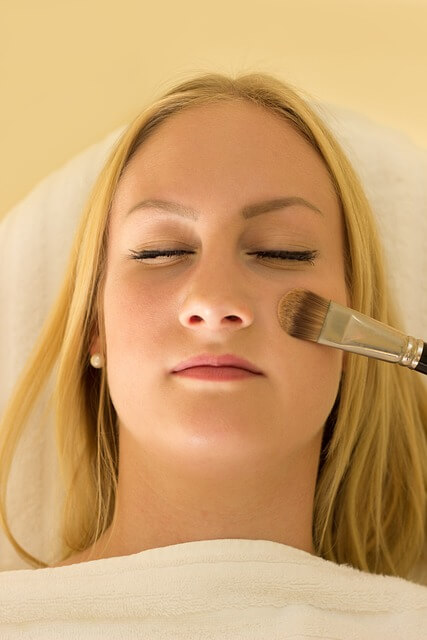
Achieving glowing and flawless skin requires dedication and the right skin care routine. Whether you’re dealing with oily skin, dry patches, or simply want to maintain a healthy glow, the right steps can transform your skin’s health. In this guide, we will walk you through a 10-step skin care routine that addresses various skin concerns and helps you attain the radiant complexion you’ve always wanted.

Introduction
Your skin is the largest organ of your body, and it deserves proper care. A structured skin care routine ensures that you tackle problems like acne, dullness, and signs of aging. Following a regular regimen keeps your skin in top condition and prevents future issues. Each step of your routine serves a specific purpose, making it crucial to stick to all steps for the best results.
Cleansing
Cleansing is the foundation of any skin care routine. It removes dirt, oil, and impurities that accumulate throughout the day. It’s important to choose a cleanser that matches your skin type. For oily skin, a gel-based or foam cleanser works wonders, while a cream-based formula is ideal for dry skin.
Using lukewarm water, gently massage the cleanser into your skin in circular motions for about 30 seconds before rinsing it off. Cleansing twice daily ensures your skin remains fresh and clean, preparing it for the next steps of your skin care routine.

Exfoliation
Exfoliating your skin removes dead cells that accumulate on the surface, giving your skin a smoother texture. Depending on your skin type, you can exfoliate 2-3 times a week. Physical exfoliants, such as scrubs, and chemical exfoliants, like AHAs or BHAs, are both effective.
Regular exfoliation promotes cell turnover, reduces clogged pores, and helps improve the absorption of products in the following steps of your skin care routine. However, be mindful not to over-exfoliate, as this can lead to irritation.
Toning
Toning helps restore your skin’s natural pH balance, preparing it for serums and moisturizers. A good toner will tighten your pores and hydrate your skin. Look for toners with ingredients like witch hazel for oily skin or hyaluronic acid for dry skin.
Apply the toner on a cotton pad and gently swipe it across your face and neck. This step plays an essential role in maintaining the overall effectiveness of your skin care routine by ensuring that the skin is ready to absorb the beneficial properties of your serums and creams.

Serums
Serums are concentrated formulas that address specific skin concerns like dark spots, fine lines, and hydration. The best way to incorporate serums into your skin care routine is to apply them after toning but before moisturizing. For those dealing with pigmentation, a vitamin C serum is a great option, while hyaluronic acid works wonders for dry skin.
Remember to pat the serum into your skin gently, allowing it to penetrate deep into the skin layers. This step provides your skin with active ingredients that can dramatically improve its appearance and health.

Moisturizing
Moisturizing is a critical step in any skin care routine, as it locks in hydration and creates a protective barrier on the skin. Whether you have oily or dry skin, moisturizing is a must. Opt for a lightweight gel-based moisturizer for oily skin, while a rich, cream-based product is ideal for dry skin.
Apply your moisturizer in upward motions, focusing on your face and neck. A good moisturizer not only keeps your skin soft but also strengthens the skin’s barrier, preventing water loss throughout the day.

Sunscreen Protection
Sunscreen is arguably the most crucial part of a skin care routine. Daily use of sunscreen protects your skin from harmful UV rays, which are responsible for premature aging, dark spots, and skin cancer. Choose a broad-spectrum sunscreen with SPF 30 or higher, and apply it 20 minutes before heading outdoors.
Even on cloudy days, UV rays penetrate the skin, making it essential to apply sunscreen daily. Incorporating this habit into your skin care routine is the best long-term investment you can make for your skin’s health.

Nighttime Routine
A dedicated nighttime skin care routine is key to skin regeneration. At night, your skin repairs itself, so it’s the perfect time to focus on nourishment. Start by cleansing your face thoroughly, as your skin needs to be free of dirt and makeup.
Next, use a night serum or treatment like retinol to help with cell turnover. Finally, lock in all the goodness with a night cream or heavier moisturizer, ensuring your skin remains hydrated and regenerates while you sleep.
Weekly Masks
Using a face mask once or twice a week offers a deep treatment that targets specific concerns. Whether you’re looking to detoxify, brighten, or hydrate, masks are a great addition to your skin care routine. Clay masks are perfect for oily and acne-prone skin, while hydrating sheet masks work well for dry skin.
Allow the mask to sit for 15-20 minutes, and use this time to relax. After removing the mask, follow up with the remaining steps of your skin care routine for maximum benefits.

Eye Cream
The skin around your eyes is delicate and often the first area to show signs of aging. Including an eye cream in your skin care routine helps combat puffiness, dark circles, and fine lines. Look for ingredients like caffeine or peptides that firm and brighten the under-eye area.
Apply a small amount of eye cream using your ring finger, gently tapping it into the skin without dragging or pulling. This ensures your eyes remain youthful and well-hydrated.
Hydration and Diet
While topical products are essential, internal hydration and nutrition also play a vital role in your skin’s health. Drinking plenty of water keeps your skin plump and glowing, while a diet rich in vitamins and antioxidants promotes skin renewal. Foods like berries, avocados, and leafy greens nourish your skin from within.
Including these habits in your skin care routine enhances the effects of your topical products, resulting in healthier, glowing skin.

Conclusion
A consistent and well-planned skin care routine ensures that your skin remains healthy, youthful, and radiant. By following these 10 steps, you’ll be able to address common skin concerns and enjoy a long-lasting glow. Whether you’re just starting out or fine-tuning your regimen, the key to success is consistency. So, take your time, find the products that work best for your skin type, and stick to your routine for noticeable results.
FAQs
1. How often should I follow a skin care routine?
A: Ideally, you should follow your skin care routine twice a day—once in the morning and once at night. The morning routine focuses on protection (like sunscreen), while the nighttime routine emphasizes repair (like serums and treatments).
2. Can I skip moisturizing if I have oily skin?
A: No, moisturizing is important for all skin types, including oily skin. Using a lightweight, oil-free or gel-based moisturizer can help balance your skin’s oil production without making it greasy.
3. When should I apply sunscreen in my skin care routine?
A: Sunscreen should be the final step of your morning skin care routine, after applying moisturizer. Wait for a few minutes after moisturizing to ensure your skin absorbs the sunscreen properly.
4. Do I need to exfoliate every day?
A: No, exfoliating daily can irritate your skin. It’s best to exfoliate 2-3 times a week, depending on your skin type. Over-exfoliation can lead to redness, dryness, and breakouts.
5. At what age should I start using anti-aging products?
A: You can start incorporating anti-aging products into your skin care routine in your mid to late 20s. Ingredients like retinol, peptides, and antioxidants can help prevent early signs of aging.
6. What is the difference between a toner and a serum?
A: A toner helps balance the skin’s pH and prepare it for the next steps, while a serum delivers concentrated active ingredients deep into the skin to target specific concerns, such as hydration, brightening, or anti-aging.
7. How can I reduce acne breakouts through my skin care routine?
A: Focus on gentle cleansing, exfoliating 2-3 times per week, and using treatments that contain salicylic acid or benzoyl peroxide. Avoid using harsh or overly drying products that may strip your skin of its natural oils.
8. Do I need to use a separate eye cream?
A: Yes, the skin around your eyes is delicate and requires special care. An eye cream formulated to target issues like puffiness, dark circles, and fine lines is an essential part of a complete skin care routine.
9. How can I find out my skin type?
A: You can determine your skin type by observing how your skin feels a few hours after cleansing. Oily skin will feel greasy, dry skin may feel tight, combination skin will have oiliness in certain areas (like the T-zone), and normal skin will feel balanced.
10. What is the best way to layer skin care products?
A: Follow the golden rule: apply products from the thinnest to the thickest consistency. Start with cleansing, then move to toning, applying serums, followed by moisturizers, and finish with sunscreen in the morning.
Leave a Reply