
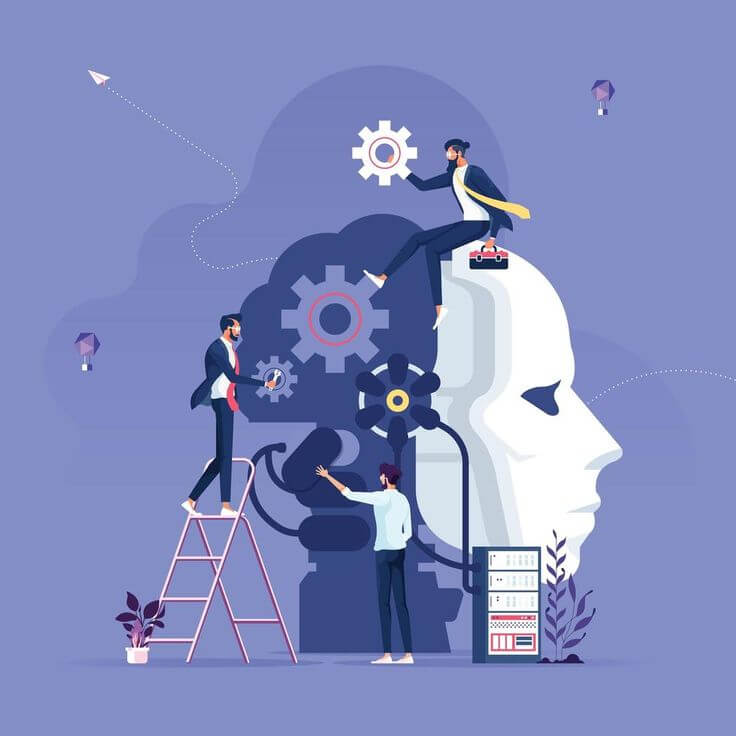
Machine learning has rapidly evolved into one of the most transformative technologies of our time. From automating complex tasks to predicting outcomes with unprecedented accuracy, machine learning has revolutionized industries across the globe. In this blog post, we will explore the many facets of machine learning, how it works, and its implications on the future of technology. Machine learning is not just a buzzword but a key driver behind innovations that are shaping the way we live and work.

What is Machine Learning?
Machine learning is a subset of artificial intelligence (AI) that enables systems to learn and improve from experience without being explicitly programmed. Machine learning algorithms use data to make predictions or decisions without relying on pre-defined rules. These algorithms work by identifying patterns in data, which allows them to make informed decisions or predictions over time.
At its core, machine learning revolves around data. The more data you provide, the better the system becomes at identifying patterns and making accurate predictions. This ability to learn autonomously is what makes machine learning a groundbreaking technology.
How Machine Learning Works
Machine learning relies on a combination of algorithms, statistical models, and computing power to function effectively. There are three primary types of machine learning:
1. Supervised Learning
In supervised learning, the algorithm is trained on a labeled dataset, meaning that the output for each input is already known. The model learns from this data, trying to minimize the difference between its predictions and the actual outcomes. Once trained, the model can make predictions on new, unseen data. Supervised learning is commonly used in tasks such as image recognition and language translation.
2. Unsupervised Learning
Unsupervised learning operates without labeled data, meaning the model must find patterns and relationships within the dataset without prior knowledge of the output. This type of learning is used for clustering, anomaly detection, and data compression. Unsupervised learning allows machines to group data in meaningful ways, making it valuable for exploring large datasets where specific outcomes are unknown.

3. Reinforcement Learning
In reinforcement learning, the model learns by interacting with its environment and receiving feedback in the form of rewards or penalties. The algorithm is designed to maximize cumulative rewards by learning from its mistakes over time. Reinforcement learning is often used in robotics and gaming, where systems need to make sequential decisions in dynamic environments.
Applications of Machine Learning
Machine learning has numerous real-world applications across industries, including healthcare, finance, retail, and transportation. Some key areas where machine learning is making a significant impact include:
1. Healthcare
Machine learning algorithms are used to predict patient outcomes, recommend treatments, and even detect diseases like cancer from medical images. By analyzing vast amounts of data, machine learning can provide insights that may be overlooked by human professionals, leading to faster and more accurate diagnoses.
2. Finance
Machine learning models are widely used in finance for tasks such as fraud detection, algorithmic trading, and credit scoring. These systems analyze large datasets to identify unusual patterns or predict stock market trends, enabling financial institutions to make more informed decisions.
3. Retail
In the retail industry, machine learning is used to optimize supply chain management, personalize shopping experiences, and improve customer service. By analyzing customer behavior, machine learning can predict which products are likely to sell and recommend personalized products to individual shoppers.
4. Transportation
Self-driving cars and autonomous drones are some of the most exciting applications of machine learning in the transportation industry. Machine learning models process sensor data in real-time to navigate complex environments and make split-second decisions, ultimately reducing human error and improving safety.
Challenges of Machine Learning
Despite its many advantages, machine learning is not without its challenges. Developing effective machine learning models requires vast amounts of high-quality data and significant computing power. Additionally, machine learning models can be difficult to interpret, making it hard to understand how they arrive at certain decisions. This “black box” problem has led to concerns about transparency and accountability, especially in critical fields like healthcare and finance.
Moreover, machine learning models can be susceptible to bias. If the training data contains biased information, the model may learn and perpetuate those biases, leading to unfair or inaccurate predictions. Ensuring that machine learning systems are fair, transparent, and explainable is an ongoing area of research.
The Future of Machine Learning
As computing power continues to grow and data becomes more abundant, the future of machine learning looks incredibly promising. Some of the key trends that will shape the future of machine learning include:
1. Federated Learning
Federated learning allows machine learning models to be trained across multiple devices or servers without sharing data between them. This decentralized approach to training ensures that sensitive data remains on local devices, improving privacy and security while enabling large-scale machine learning projects.
2. Explainable AI
As machine learning models become more complex, the demand for explainable AI is growing. Researchers are developing techniques to make machine learning models more interpretable, ensuring that humans can understand and trust their decisions. Explainable AI will be critical for fields like healthcare and finance, where transparency is essential.

3. Quantum Machine Learning
Quantum computing has the potential to revolutionize machine learning by providing exponentially faster processing power. While still in its early stages, quantum machine learning could enable the development of models that are far more powerful than anything we have today, solving problems that were previously thought to be unsolvable.
Machine Learning and Ethical Considerations
As machine learning becomes more integrated into everyday life, ethical considerations surrounding its use have become increasingly important. Issues such as data privacy, bias, and accountability must be carefully considered when deploying machine learning systems. Some of the key ethical challenges include:
1. Data Privacy
Machine learning relies on vast amounts of data to function, but the collection and use of this data raise concerns about privacy. Companies must ensure that they are collecting data in a responsible manner and protecting the privacy of individuals.
2. Algorithmic Bias
If machine learning models are trained on biased data, they can perpetuate and even amplify existing biases. This can lead to unfair treatment of certain groups, particularly in areas like hiring, lending, and law enforcement. Ensuring that machine learning systems are free from bias is an ongoing challenge for developers and researchers.
3. Accountability
As machine learning models become more complex, it can be difficult to understand how they make decisions. This lack of transparency raises concerns about accountability, especially in critical areas like healthcare and criminal justice. Who is responsible when a machine learning model makes a mistake? Addressing these issues will be key to ensuring the responsible use of machine learning technology.
Conclusion
Machine learning is an incredibly powerful technology that has the potential to transform industries and change the way we live and work. From healthcare to finance to transportation, machine learning is already making a significant impact, and its influence is only expected to grow in the coming years.
However, the rapid advancement of machine learning also brings challenges and ethical considerations that must be addressed. Ensuring that machine learning systems are fair, transparent, and accountable will be critical to their success in the long term.
As we look to the future, the possibilities for machine learning are virtually limitless. From federated learning to quantum computing, the next wave of machine learning innovations will continue to push the boundaries of what is possible, unlocking new opportunities and solving some of the world’s most complex problems.
Machine learning has already changed the world in profound ways, and we are only just beginning to scratch the surface of its potential. As businesses and researchers continue to harness the power of machine learning, the future looks brighter than ever before.
FAQs
What is machine learning?
Machine learning is a branch of artificial intelligence that enables computers to learn from data and improve their performance without explicit programming.
What are the types of machine learning?
There are three main types of machine learning: supervised learning, unsupervised learning, and reinforcement learning.
How is machine learning used in everyday life?
Machine learning is used in various applications, such as virtual assistants, recommendation engines, fraud detection, and autonomous vehicles.
What industries benefit from machine learning?
Machine learning benefits many industries, including healthcare, finance, retail, transportation, and manufacturing.
What is the difference between AI and machine learning?
AI is the broader concept of creating intelligent machines, while machine learning is a subset of AI that focuses on enabling machines to learn from data.
What is supervised learning in machine learning?
In supervised learning, the algorithm learns from labeled data, where the input-output pairs are provided to guide the learning process.
How does unsupervised learning work?
Unsupervised learning finds hidden patterns in data without labeled outputs, often used for clustering and data segmentation.
What are some real-world examples of machine learning?
Some examples include personalized product recommendations on e-commerce sites, medical image analysis, and facial recognition technology.
What are the challenges of implementing machine learning?
Challenges include data quality, algorithmic bias, lack of transparency, and the need for significant computational resources.
What is the future of machine learning?
The future of machine learning involves advancements in quantum computing, federated learning, and explainable AI, with continued growth in various industries.
Leave a Reply